
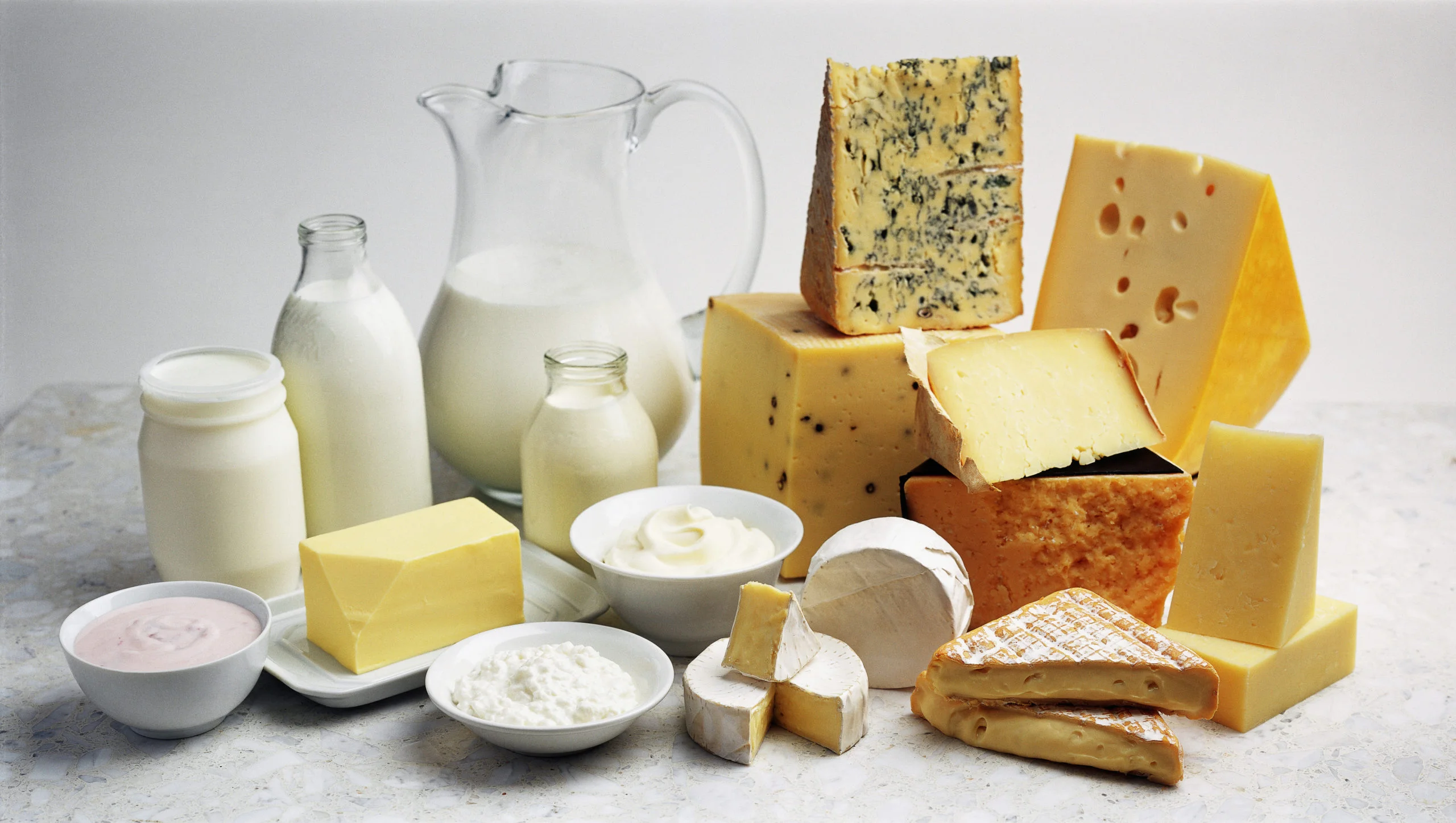
Ion Exchange applies membrane filtration to dairy processing, where membrane technologies offer low-temperature operation and high separation efficiency compared with conventional concentration methods.
Specific applications include whey protein concentration, whey demineralisation and concentration, and whole-milk and skim-milk concentration.
How It Works
Membrane separation uses pressure to drive the feed stream across a semi-permeable membrane, physically separating dissolved and suspended material by size.
Microfiltration, ultrafiltration, nanofiltration and reverse osmosis membranes are selected around the specific dairy separation each process stream needs.
Membrane Technologies for Dairy Processing
Microfiltration
Used for bacterial reduction, fat removal from milk and whey, and protein/casein standardisation.
Ultrafiltration
Applied for protein concentration and standardisation.
Nanofiltration
Used for partial demineralisation of whey, lactose-free milk, or volume reduction of whey.
Reverse Osmosis
Used as a supplement to evaporation for concentration or volume reduction of milk and whey, milk-solids recovery and water reclamation.
Why Membrane Treatment for Dairy Processing
Right Membrane for the Feed
RO, UF and NF are selected around the specific separation the feed stream actually needs.
Lower Chemical Consumption
Membrane separation typically needs fewer treatment chemicals than conventional processes for the same duty.
Yield and Resource Improvement
Membrane-based separation supports yield improvement, waste minimisation, and water and energy savings across dairy processing.
Talk to Our Expert
Let our experts help you solve your water and environment management challenges.
Speak to our team about process applications, complete water treatment circuits, chemical treatment programmes and lifecycle service support.
+91-22-6610-06789:00 AM to 6:00 PM INDIA IST