

PFAS contamination has emerged as one of the most serious global water quality concerns in recent years. Often called “forever chemicals,” PFAS (Per- and Polyfluoroalkyl Substances) are synthetic compounds widely used in industrial processes, firefighting foams, nonstick coatings, textiles, and consumer products. Because these chemicals do not easily break down in the environment, they can persist in groundwater and drinking water sources for decades.
As awareness around PFAS contamination increases, industries, municipalities, and water utilities are actively searching for reliable PFAS water treatment methods. Among the most effective technologies available today are Ion Exchange Resins, which are widely used in advanced water purification systems to remove PFAS from groundwater and drinking water supplies.
Table of Contents
ToggleWhat Are PFAS and Why Are They Dangerous?
PFAS are a group of thousands of man-made chemical compounds known for their strong resistance to heat, oil, grease, and water.
However, these compounds are extremely persistent in the environment and can accumulate in water sources over time.
PFAS exposure has been linked to several health concerns, including:
- Liver damage
- Hormonal disruption
- Immune system effects
- Increased cholesterol levels
- Potential cancer risks
Because of these risks, regulatory agencies across the world are tightening limits on PFAS levels in drinking water.
How PFAS Contaminate Drinking Water?
PFAS contamination typically enters water sources through:
- Industrial discharge
- Firefighting foam runoff
- Landfill leachate
- Chemical manufacturing facilities
- Wastewater discharge
- Contaminated groundwater
Once these chemicals enter groundwater systems, they spread easily and become difficult to remove using conventional treatment methods.
This has increased the demand for advanced PFAS contamination treatment solutions.
Why Conventional Water Treatment Is Not Enough?
Traditional treatment methods, such as sedimentation and standard filtration, are generally ineffective for removing dissolved PFAS compounds.
PFAS molecules are:
- Chemically stable
- Highly soluble
- Resistant to biological degradation
As a result, specialized technologies are required for effective PFAS removal from drinking water.
How Ion Exchange Resins Remove PFAS?
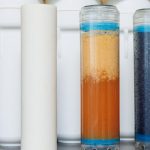
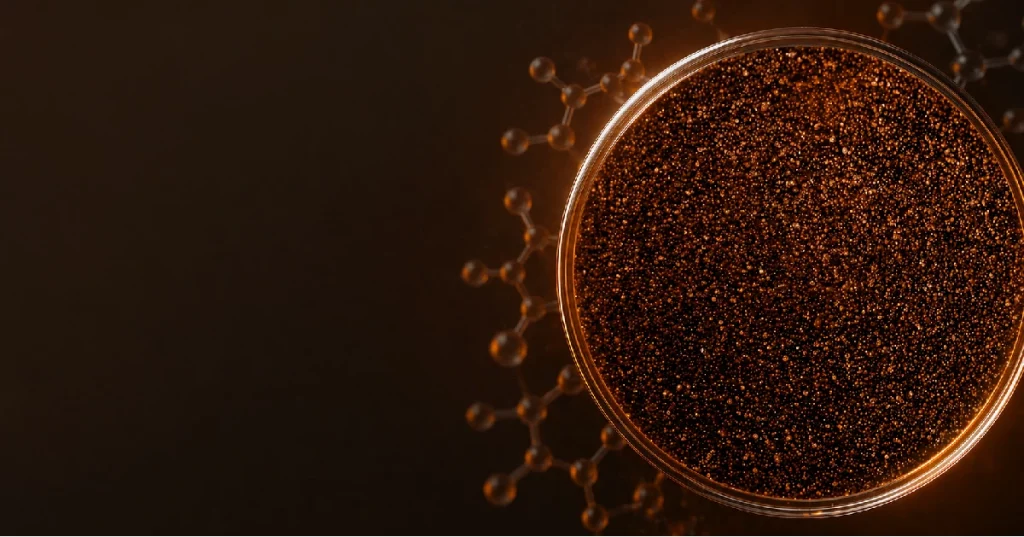
Ion Exchange Resins are among the most effective technologies used in PFAS water treatment methods.
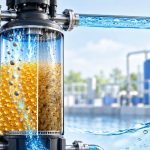
These resins work through a chemical exchange process where charged contaminants are selectively captured and removed from water.
The Process:
- Contaminated water passes through resin media
- PFAS molecules attach to active sites on the resin
- Clean water exits the treatment system
- The resin retains PFAS contaminants for safe disposal or regeneration
This process provides highly efficient removal of both long-chain and short-chain PFAS compounds.
Why Ion Exchange Resins Are Effective for PFAS Removal?
Several characteristics make ion exchange resin water treatment highly suitable for PFAS contamination control.
- High Removal Efficiency
Ion exchange systems can achieve very high PFAS removal rates even at low contamination levels.
- Fast Treatment Process
Resins allow rapid treatment with consistent water quality output.
- Selective Contaminant Removal
Specialized resins are designed specifically to target PFAS compounds without removing essential minerals unnecessarily.
- Suitable for Groundwater Treatment
Ion exchange systems are widely used to remove PFAS from groundwater where contamination is common.
- Compact System Design
Compared to some alternative technologies, resin-based systems often require smaller footprints.
Types of Ion Exchange Resins Used for PFAS Treatment
Different resin types are used depending on water chemistry and contamination levels.
- Anion Exchange Resins
Most PFAS compounds carry negative charges, making anion exchange resins particularly effective.
- Specialized PFAS Resins
Advanced resins are engineered specifically for high-capacity PFAS adsorption and longer operational life.
The selection of the right resin depends on:
- PFAS concentration
- Water chemistry
- Organic content
- Competing ions
- Treatment capacity requirements
PFAS Water Treatment Methods Used Today
Several technologies are currently used for PFAS contamination treatment solutions.
- Activated Carbon
Removes some PFAS compounds but may be less effective for short-chain PFAS.
- Reverse Osmosis (RO)
Provides high removal efficiency but generates reject waste streams.
- Ion Exchange Resin Water Treatment
Offers highly effective removal with operational flexibility and strong performance across varying PFAS concentrations.
In many applications, combined treatment systems are used for optimal performance.
Industries and Applications Requiring PFAS Removal
PFAS treatment is increasingly important across multiple sectors.
- Municipal Drinking Water
Utilities use advanced treatment systems to ensure a safe public water supply.
- Industrial Facilities
Manufacturing plants use PFAS removal systems for process water and discharge compliance.
- Groundwater Remediation
Contaminated aquifers require long-term PFAS contamination treatment solutions.
- Landfill Leachate Treatment
Leachate often contains persistent PFAS compounds requiring advanced treatment.
Challenges in PFAS Removal
Despite technological advancements, PFAS treatment remains challenging because:
- Thousands of PFAS compounds exist
- Concentrations vary significantly
- Disposal of captured PFAS requires careful handling
- Treatment systems must maintain long-term efficiency
This is why selecting the correct PFAS treatment technology is critical.
Ion Exchange Solutions for PFAS Water Treatment
Ion Exchange provides advanced water treatment technologies designed for emerging contaminant removal, including PFAS contamination treatment solutions.
Their solutions include:
- Specialized ion exchange resin systems
- Industrial and municipal water treatment plants
- Advanced filtration technologies
- Integrated groundwater treatment systems
- Water purification and reuse solutions
Using optimized resin technologies and engineered treatment systems, Ion Exchange helps industries and utilities address complex water contamination challenges effectively.
Conclusion
As PFAS contamination becomes a growing global concern, advanced treatment technologies are essential to ensure safe drinking water and groundwater protection. Ion Exchange Resins have emerged as one of the most effective solutions for removing PFAS from drinking water due to their high efficiency, operational reliability, and selective contaminant removal capability.
By implementing advanced ion exchange resin water treatment systems, industries and municipalities can improve water safety, meet evolving regulations, and support long-term environmental sustainability.