

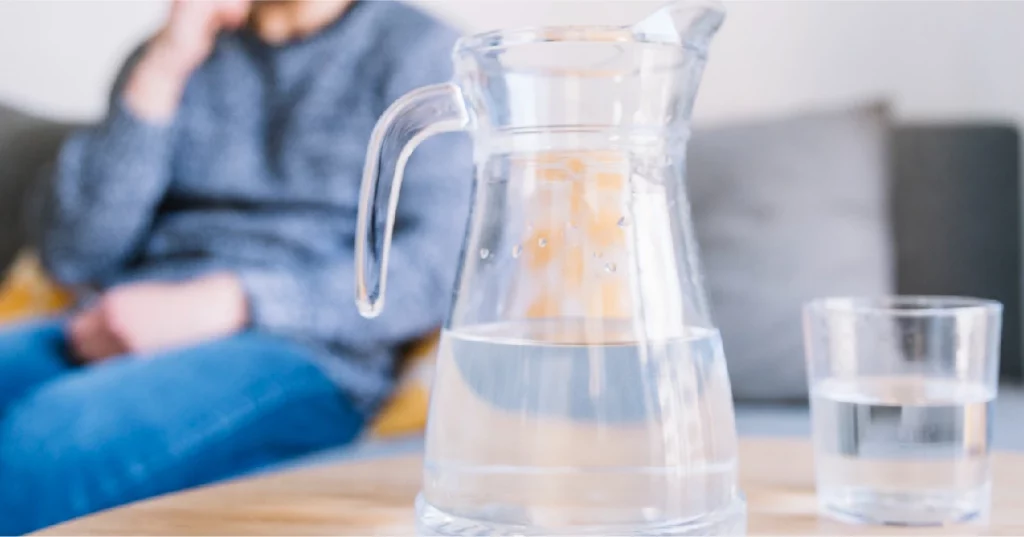
Water quality plays a major role in maintaining health and ensuring safe drinking water for daily consumption. One of the most common indicators of water quality is TDS, or Total Dissolved Solids, which measures the concentration of dissolved substances present in water. Understanding how to check water TDS at home can help identify whether your drinking water is suitable for regular use.
Today, homeowners can easily perform a TDS test at home using simple tools such as TDS meters, water testing kits, or basic observation methods. Whether you want to monitor RO water quality or understand mineral levels in tap water, checking TDS is an important part of maintaining safe drinking water.
Table of Contents
ToggleWhat Is TDS in Water?
TDS stands for Total Dissolved Solids. It represents the concentration of dissolved minerals, salts, metals, and organic substances present in water.
Common dissolved substances include:
- Calcium
- Magnesium
- Sodium
- Chlorides
- Sulfates
- Iron
TDS levels are usually measured in ppm (parts per million).
A proper TDS meter reading helps determine whether water is suitable for drinking, industrial use, or household applications.
Why Is It Important to Check Water TDS?
Monitoring TDS levels helps identify changes in water quality and filtration system performance.
High or low TDS levels may affect:
- Taste of drinking water
- RO system efficiency
- Mineral balance
- Appliance scaling
- Overall water quality
Regular testing is especially important for households using borewell water, RO systems, or untreated groundwater.
Safe TDS Levels for Drinking Water
According to commonly accepted drinking water standards:
- Below 50 ppm → Very low mineral content
- 50–150 ppm → Ideal for purified drinking water
- 150–300 ppm → Good drinking water range
- 300–500 ppm → Acceptable
- Above 500 ppm → May require treatment
A reliable TDS meter for drinking water helps ensure that water stays within acceptable limits.
How to Check Water TDS at Home?
There are several simple methods to perform a water quality test at home.
Method 1: Using a TDS Meter
The easiest and most accurate way to test TDS is by using a digital TDS meter.
Steps:
- Fill a clean glass with water
- Turn on the TDS meter
- Dip the meter probe into the water
- Wait a few seconds
- Read the displayed TDS value
The displayed value is the TDS meter reading in ppm.
Digital meters provide quick and accurate results and are widely used for household water monitoring.
Method 2: Using a Water TDS Test Kit
A water TDS test kit usually contains chemical strips or testing reagents that change color depending on dissolved solids concentration.
Steps:
- Collect a water sample
- Dip the strip or add reagent
- Compare the color change with the reference chart
Although less precise than digital meters, these kits are useful for basic home testing.
Method 3: Check TDS Without Meter
Some people look for ways to check TDS without meter devices. While this method is not scientifically accurate, certain signs may indicate high TDS levels:
- Salty or bitter taste
- White scaling on taps and utensils
- Cloudy water appearance
- Soap is not lathering properly
However, these observations only provide rough indications. A proper TDS test at home using a meter is always recommended for accuracy.
How to Read a TDS Meter Correctly?
Understanding the TDS meter reading is important.
General Interpretation:
- Very low TDS → Highly purified water
- Moderate TDS → Balanced minerals
- Very high TDS → Excess salts or contamination
Sudden changes in readings may indicate:
- RO membrane failure
- Filter replacement requirement
- Source water contamination
Regular monitoring helps maintain consistent drinking water quality.
Choosing the Right TDS Meter for Drinking Water
When buying a TDS meter for drinking water, look for:
- Digital display
- Automatic calibration
- Wide measuring range
- Portable design
- Fast response time
A reliable meter ensures consistent and accurate results for household use.
Common Myths About TDS
Myth 1: Low TDS Means Unsafe Water
Not always. RO-treated water naturally has lower TDS but may still be safe for drinking.
Myth 2: High TDS Always Means Bad Water
High TDS may simply indicate excess minerals, not necessarily harmful contamination.
Myth 3: TDS Measures Bacteria
TDS only measures dissolved solids, not microbial contamination.
For a complete water quality analysis, additional testing may be required.
Importance of Water Treatment for High TDS Water
If TDS levels are excessively high, advanced treatment systems may be required.
Common treatment methods include:
- Reverse Osmosis (RO)
- Nanofiltration
- Ion exchange systems
- Water softeners
These technologies help improve drinking water quality and reduce dissolved contaminants.
Ion Exchange Solutions for Water Quality Monitoring
Ion Exchange provides advanced water treatment and purification solutions for residential, commercial, and industrial applications.
Their solutions include:
- RO water purification systems
- Water testing solutions
- Industrial water treatment systems
- TDS monitoring solutions
- Integrated water management technologies
These systems help ensure safe and reliable drinking water quality for communities and industries alike.
Conclusion
Learning how to check water TDS at home is an important step toward maintaining safe drinking water. Whether using a digital meter, a water TDS test kit, or basic observation methods, regular testing helps monitor water quality and filtration performance.
A proper TDS test at home allows households to identify potential water quality issues early and ensure that drinking water remains safe, balanced, and suitable for daily use.