

Water scarcity, stricter environmental regulations, and growing sustainability goals are driving industries to rethink how they manage wastewater. Across sectors such as power generation, chemicals, pharmaceuticals, textiles, food processing, and manufacturing, organizations are increasingly adopting advanced water recovery solutions to minimize environmental impact and reduce freshwater consumption.
One of the most effective approaches is Zero Liquid Discharge (ZLD). A Zero Liquid Discharge system is designed to eliminate liquid wastewater discharge by recovering and reusing nearly all water generated during industrial processes. As industries move toward circular water management models, ZLD water treatment has become a key strategy for achieving sustainable operations and regulatory compliance.
Today, Zero Liquid Discharge is no longer just an environmental initiative — it is a critical component of modern industrial water management.
Table of Contents
ToggleWhat Is Zero Liquid Discharge?
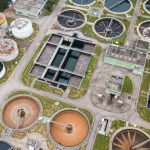
Zero Liquid Discharge (ZLD) is an advanced wastewater treatment approach that recovers usable water from industrial effluents while ensuring that no liquid waste is discharged into the environment.
The primary objective of a Zero Liquid Discharge system is to:
- Maximize water recovery
- Minimize wastewater generation
- Recover valuable resources
- Eliminate liquid discharge
- Support environmental sustainability
Instead of releasing treated wastewater into rivers, lakes, or municipal systems, ZLD facilities recover water for reuse and convert remaining contaminants into solid waste for disposal or resource recovery.
Why Is Zero Liquid Discharge Important Today?
Global water demand continues to rise while freshwater resources become increasingly stressed.
Several factors are driving the adoption of Zero Liquid Discharge systems:
- Water Scarcity
Many industrial regions face growing water shortages and groundwater depletion.
Recovering and reusing wastewater helps industries reduce dependence on freshwater sources.
- Stricter Environmental Regulations
Governments and regulatory agencies are implementing tighter discharge standards for industrial wastewater treatment.
ZLD helps industries meet compliance requirements while minimizing environmental risks.
- Sustainability Goals
Organizations are increasingly pursuing ESG commitments and water stewardship initiatives.
Wastewater recycling and reuse support long-term sustainability objectives and responsible resource management.
- Rising Water Costs
Water procurement, treatment, and discharge costs continue to increase.
Recovering water through ZLD systems can significantly reduce operational expenses.
How Does the Zero Liquid Discharge Process Work?
The Zero Liquid Discharge process typically combines multiple treatment technologies to maximize water recovery.
Step 1: Pretreatment
Wastewater undergoes pretreatment to remove suspended solids, oils, and other contaminants.
Common processes include:
- Clarification
- Filtration
- Chemical treatment
This stage prepares wastewater for advanced treatment.
Step 2: Membrane Treatment
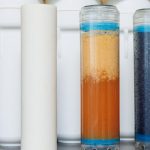
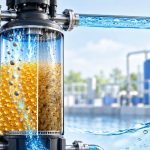
Membrane technologies are used to recover clean water from wastewater streams.
Common systems include:
- Ultrafiltration (UF)
- Reverse Osmosis (RO)
- Nanofiltration (NF)
These technologies recover a significant portion of water while concentrating dissolved contaminants.
Step 3: Evaporation
The concentrated wastewater stream is processed through evaporators.
Evaporation removes additional water and further concentrates dissolved solids.
Step 4: Crystallization
The remaining concentrate is treated in crystallizers to convert dissolved salts into solid crystals.
These solids can then be:
- Safely disposed of
- Recovered for industrial use
- Processed for resource recovery
The result is a complete Zero Liquid Discharge process with maximum water recovery and no liquid effluent discharge.
Key Components of a Zero Liquid Discharge System
A modern Zero Liquid Discharge system may include:
- Equalization tanks
- Clarifiers
- Ultrafiltration systems
- Reverse osmosis plants
- Evaporators
- Crystallizers
- Sludge handling systems
- Automation and monitoring platforms
The specific configuration depends on wastewater characteristics and recovery objectives.
Benefits of ZLD Water Treatment
- Maximum Water Recovery
Most ZLD systems can recover a substantial percentage of wastewater for reuse.
This reduces dependence on freshwater resources and supports sustainable water management.
- Environmental Protection
Eliminating liquid discharge significantly reduces pollution risks and protects water bodies.
- Regulatory Compliance
ZLD helps industries comply with stringent wastewater discharge regulations.
- Resource Recovery
Many systems recover valuable salts, minerals, and process chemicals that can be reused or recycled.
- Reduced Water Procurement Costs
Water recycling and reuse reduce the need for fresh water intake, lowering operating expenses.
- Enhanced Sustainability Performance
Organizations can improve ESG metrics and demonstrate responsible environmental stewardship.
Industries That Commonly Use Zero Liquid Discharge
Several industries rely on ZLD water treatment to manage complex wastewater streams.
- Power Generation
Power plants use ZLD systems to manage cooling tower blowdown and process wastewater.
- Textile Industry
Textile manufacturing generates high volumes of wastewater containing dyes, salts, and chemicals.
- Chemical and Petrochemical Plants
These facilities often require advanced industrial wastewater treatment solutions to meet discharge regulations.
- Pharmaceutical Industry
Pharmaceutical facilities use ZLD systems to manage high-strength effluents and protect water resources.
- Food and Beverage Processing
Water recovery and reuse help improve operational sustainability while reducing wastewater discharge.
- Electronics and Semiconductor Manufacturing
High-purity water requirements make wastewater recycling and reuse particularly valuable.
Challenges of Implementing Zero Liquid Discharge
While ZLD offers significant benefits, implementation requires careful planning.
Key considerations include:
- Initial capital investment
- Energy requirements
- Wastewater characteristics
- Recovery targets
- Operational expertise
- Long-term maintenance needs
Advancements in membrane technology and energy-efficient systems continue to improve ZLD economics and performance.
The Future of Industrial Water Management
As industries move toward circular water economies, Zero Liquid Discharge will play an increasingly important role in sustainable industrial water management.
Future developments include:
- Energy-efficient ZLD technologies
- Smart monitoring and automation
- Advanced membrane systems
- Resource recovery optimization
- Integration with digital water management platforms
These innovations will further improve water recovery rates and operational efficiency.
Ion Exchange Solutions for Zero Liquid Discharge
Ion Exchange provides advanced Zero Liquid Discharge solutions designed to support sustainable industrial water management.
Its capabilities include:
- Industrial wastewater treatment systems
- ZLD water treatment plants
- Membrane-based recovery systems
- Evaporation and crystallization technologies
- Water recycling and reuse solutions
- Integrated industrial water management systems
By combining advanced engineering, treatment technologies, and operational expertise, Ion Exchange helps industries maximize water recovery while minimizing environmental impact.
Conclusion
Zero Liquid Discharge has become one of the most important strategies for sustainable industrial water management. By eliminating liquid wastewater discharge and maximizing water recycling and reuse, ZLD systems help industries address water scarcity, meet environmental regulations, and improve operational sustainability.
As water resources become increasingly valuable, organizations investing in Zero Liquid Discharge systems today will be better positioned to achieve long-term resilience, environmental responsibility, and business success.