

Selecting the right Activated Carbon is critical for achieving effective Carbon Purification for Industries. With multiple options available, industries must evaluate performance, application requirements, and cost efficiency before making a decision. This guide simplifies the industrial activated carbon selection process to help you choose the best fit.
Table of Contents
ToggleWhat is Activated Carbon?
Activated Carbon is a highly porous material used to remove impurities, contaminants, odors, and color from liquids and gases. It works through adsorption, where contaminants bind to the surface of the carbon.
It is widely used in:
- Water & wastewater treatment
- Food & beverage processing
- Pharmaceuticals
- Chemical processing
- Air purification systems
Types of Activated Carbon
Understanding the types of activated carbon is the first step in making the right choice.
1. Powdered Activated Carbon (PAC)
- Fine particles
- High surface area
- Used for rapid adsorption
- Ideal for batch processes
Best for: Water treatment, chemical processing
2. Granular Activated Carbon (GAC)
- Larger particle size
- Used in fixed-bed filters
- Longer service life
Best for: Continuous filtration systems, industrial water treatment
3. Extruded/Pelletized Activated Carbon
- Cylindrical pellets
- Low dust formation
- High mechanical strength
Best for: Air and gas purification
Key Factors in Activated Carbon Selection
Choosing the right activated carbon for industry depends on multiple technical and operational factors:
1. Type of Contaminant
Different carbons target different impurities:
- Organic compounds
- Chlorine
- VOCs
- Heavy metals
- Color & odor
The pore size distribution must match the contaminant size.
2. Application (Liquid vs Gas Phase)
- Liquid phase: Prefer GAC or PAC
- Gas phase: Prefer pelletized carbon
3. Adsorption Capacity
Higher surface area = better performance.
Look for carbons with optimized pore structure for your application.
4. Contact Time (EBCT)
Efficient adsorption requires sufficient contact time between carbon and fluid.
5. Regeneration & Lifespan
- Can the carbon be regenerated?
- What is the replacement frequency?
Longer life reduces operational costs.
6. Operating Conditions
Consider:
- Temperature
- pH level
- Flow rate
- Presence of competing contaminants
Industrial Applications of Activated Carbon
Water & Wastewater Treatment
Activated carbon removes:
- Chlorine
- Organic impurities
- Odor & color
It plays a vital role in industrial purification systems and supports compliance with environmental standards.
Food & Beverage Industry
Used for:
- Decolorization
- Deodorization
- Purification of liquids
Activated carbon ensures product quality and safety.
Pharmaceuticals & Chemicals
Helps in:
- Removing impurities
- Improving product purity
- Meeting strict quality standards
Ion Exchange provides customized purification solutions using advanced technologies and adsorbents tailored to industry needs
Air & Gas Purification
Activated carbon removes:
- VOCs
- Toxic gases
- Odors
Essential for industrial emission control.
Activated Carbon Selection Guide (Quick Checklist)
Use this simple checklist for industrial activated carbon selection:
- Identify contaminants
- Determine application (liquid/gas)
- Choose the correct carbon type (PAC/GAC/Pellet)
- Evaluate adsorption capacity
- Check regeneration feasibility
- Consider operating conditions
- Optimize cost vs performance
Common Mistakes to Avoid
- Choosing based only on cost
- Ignoring pore size compatibility
- Not considering regeneration cycles
- Using the same carbon for all applications
- Overlooking flow rate and contact time
Ion Exchange Activated Carbon Filter for Efficient Water Purification
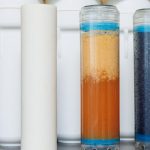
The Ion Exchange Activated Carbon Filter (ACF) is engineered for efficient removal of colour, odour, free chlorine, and organic impurities such as oil and COD from raw water. Using carbon as the filtration media, the ACF ensures high-performance purification post multi-grade filtration, operating effectively at specific flow rates of 10–24 m³/h. Designed by ASME Sec VIII, Div-I or IEI good engineering practices, the unit comes with construction options in MS, MSRL, or SS 316, and frontal pipework in PVC, MS, MSRL, or SS 316. With its ability to handle higher specific velocities and the option to use raw water for backwashing, this filter safeguards downstream systems, particularly RO membranes and ion exchange resins, against damage from oxidation and organic fouling.
Conclusion
Choosing the right Activated Carbon is not just about picking a product—it’s about aligning performance with your industrial needs. By understanding the types of activated carbon, evaluating application requirements, and following a structured activated carbon selection guide, industries can achieve efficient, cost-effective, and sustainable purification.