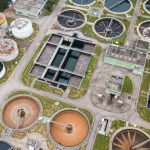


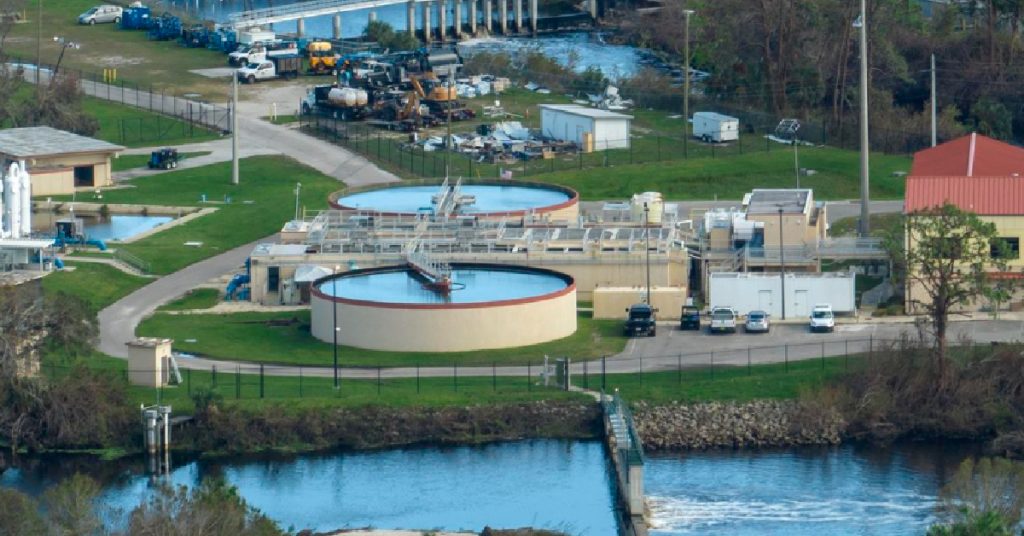
Industries today are under growing pressure to manage Industrial Wastewater responsibly while meeting environmental regulations and reducing operational costs. As water scarcity and compliance requirements increase, investing in a wastewater treatment plant has become essential for sustainable industrial operations.
However, one of the most common questions industries ask is: How much does a wastewater treatment plant actually cost?” The answer depends on several factors, including plant capacity, wastewater characteristics, treatment technology, automation level, and reuse requirements.
Understanding the full scope of costs for Wastewater Treatment helps industries plan budgets effectively and avoid unexpected operational expenses.
Table of Contents
ToggleWhy Industries Invest in Wastewater Treatment Plants?
Modern industries generate wastewater containing chemicals, oils, organic matter, suspended solids, and dissolved contaminants. Without proper treatment, this wastewater can lead to environmental damage, regulatory penalties, and operational inefficiencies.
Installing a Water and Wastewater Treatment system helps industries:
- Meet CPCB/PCB discharge norms
- Reduce freshwater consumption
- Enable wastewater reuse
- Minimize environmental risks
- Improve ESG and sustainability performance
While the initial investment may seem significant, long-term savings from water recovery and reduced penalties often justify the expense.
Major Factors Affecting Wastewater Treatment Plant Cost
The cost of a wastewater management project varies depending on multiple technical and operational parameters.
1. Plant Capacity
One of the biggest cost drivers is the treatment capacity, usually measured in KLD (kiloliters per day) or MLD (million liters per day).
Higher-capacity plants require:
- Larger civil structures
- Bigger pumps and piping
- Higher energy consumption
- Advanced automation systems
Naturally, larger plants involve higher capital investment.
2. Type of Wastewater
The composition of industrial wastewater significantly affects treatment cost.
Wastewater containing:
- Heavy metals
- High TDS
- Oils and grease
- Hazardous chemicals
- Complex organic pollutants
requires advanced treatment technologies, increasing both capital and operating expenses.
3. Technology Used
The choice of treatment technology directly impacts wastewater treatment expenses.
Basic systems may include:
- Clarifiers
- Aeration tanks
- Sand filters
Advanced systems may require:
- Membrane Bioreactors (MBR)
- Reverse Osmosis (RO)
- Evaporators and ZLD systems
- Advanced oxidation processes
Higher-end technologies improve efficiency and reuse but also increase project cost.
4. Level of Automation
Modern treatment plants often use:
- PLC-based controls
- SCADA systems and smart sensors
- Online monitoring
- Advanced instrumentation
Automation improves efficiency and reduces manpower dependency but increases initial investment.
5. Water Reuse Requirements
If industries plan to recycle treated water for reuse, additional polishing systems are required.
These may include:
- Ultrafiltration
- Reverse osmosis
- UV disinfection
- De-mineralization
Water reuse systems increase project cost but reduce freshwater dependency over time.
ETP Cost Breakdown
An ETP cost depends heavily on the industry type and effluent complexity.
Typical Cost Components:
- Civil construction
- Mechanical equipment
- Biological treatment systems
- Chemical dosing systems
- Pumps and piping
- Instrumentation and automation
- Sludge handling systems
Industries such as pharmaceuticals, textiles, and chemicals generally require more advanced and expensive ETP systems due to complex effluent characteristics.
STP Cost Breakdown
An STP cost is usually lower compared to industrial ETP systems because sewage contains more biodegradable organic matter and fewer toxic contaminants.
STP Cost Includes:
- Equalization tanks
- Biological treatment units
- Clarifiers
- Filtration systems
- Disinfection systems
STPs are commonly installed in:
- Residential complexes
- Commercial buildings
- Hotels
- Institutional campuses
- Industrial townships
Operational Costs Industries Should Expect
Apart from installation costs, industries must also consider recurring wastewater treatment expenses.
Common Operating Costs:
- Electricity consumption
- Chemicals and dosing agents
- Membrane replacement
- Sludge disposal
- Maintenance and servicing
- Skilled manpower
Energy-intensive systems like RO and ZLD generally involve higher operational costs.
Cost Optimization Through Modern Technologies
Modern water and wastewater treatment technologies help industries reduce long-term operational costs.
Technologies That Improve Efficiency:
- MBR systems with compact footprint
- Energy-efficient aeration systems
- Water recycling and reuse systems
- Smart monitoring and automation
- Zero Liquid Discharge optimization
Efficient design can significantly lower lifecycle costs while improving performance.
Why Wastewater Treatment Is a Long-Term Investment?
A properly designed wastewater management project provides long-term benefits beyond compliance.
Industries gain:
- Reduced freshwater procurement cost
- Lower environmental penalties
- Better sustainability performance
- Increased water security
- Improved corporate reputation
Over time, water reuse and recovery can offset a significant portion of treatment costs.
Ion Exchange Solutions for Wastewater Treatment
Ion Exchange provides integrated water and wastewater treatment solutions for industries across multiple sectors.
Their capabilities include:
- Industrial wastewater treatment plants
- ETP and STP systems
- Membrane-based treatment technologies
- Water recycling plants
- Zero Liquid Discharge systems
- Customized wastewater management projects
By combining engineering expertise with advanced technologies, Ion Exchange helps industries optimize treatment efficiency and operational costs.
Conclusion
The cost of a wastewater treatment plant depends on factors such as plant capacity, wastewater characteristics, treatment technology, and reuse goals. While installation costs may vary, investing in efficient treatment systems helps industries reduce long-term operational risks and improve sustainability.
Understanding ETP cost, STP cost, and ongoing wastewater treatment expenses allows industries to make informed decisions and build cost-effective water management strategies for the future.