


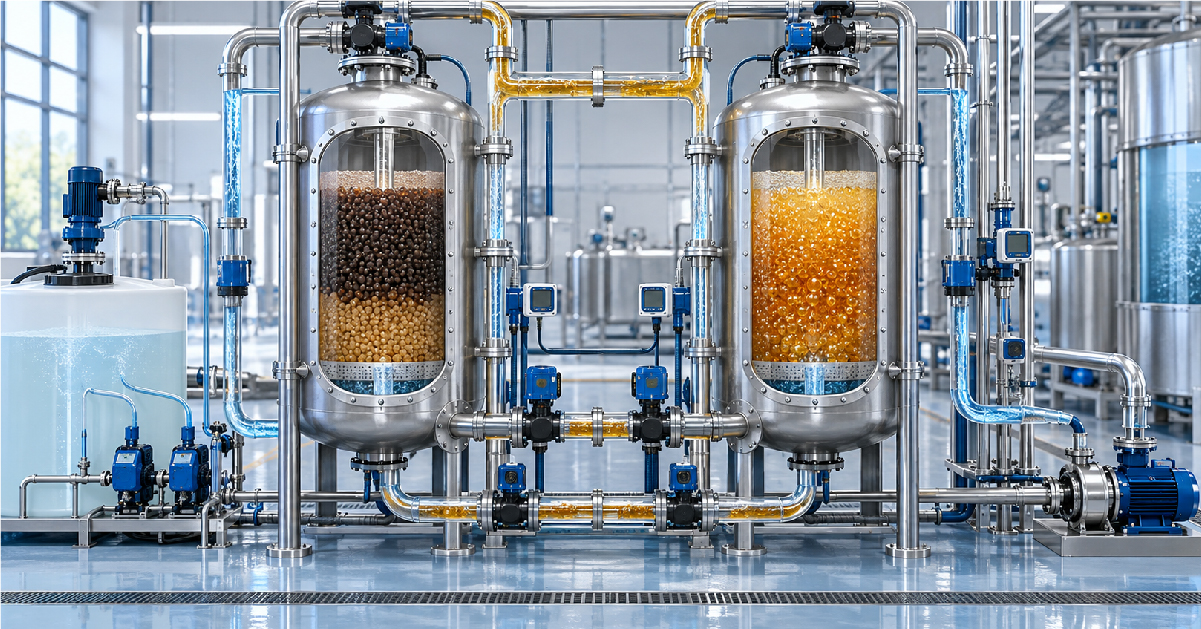
How to Improve Ion Exchange Resin Regeneration & Reduce Costs
Chemical consumption keeps climbing. Regeneration cycles seem to come around sooner. Yet treated-water quality is slowly moving in the wrong direction. For many industrial water treatment plants, the problem is not necessarily the Ion Exchange Resin itself. It often comes down to how the resin is operated and regenerated. Ion exchange resin regeneration restores an…

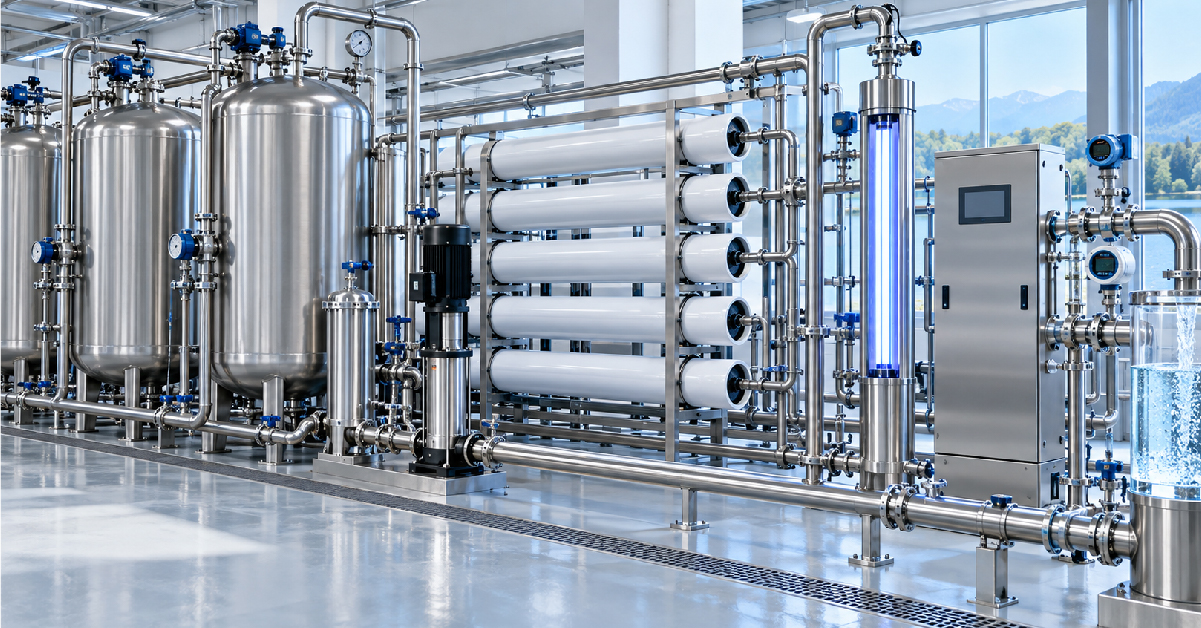
Choosing the Right Industrial Drinking Water Treatment Manufacturer
For an industrial facility, safe drinking water is more than an employee amenity. It is closely tied to workforce welfare, compliance, operational reliability, and the overall quality standards of the site. Yet selecting an Industrial Drinking Water Treatment solution is rarely as simple as comparing capacities or choosing a purification technology. A factory may depend…
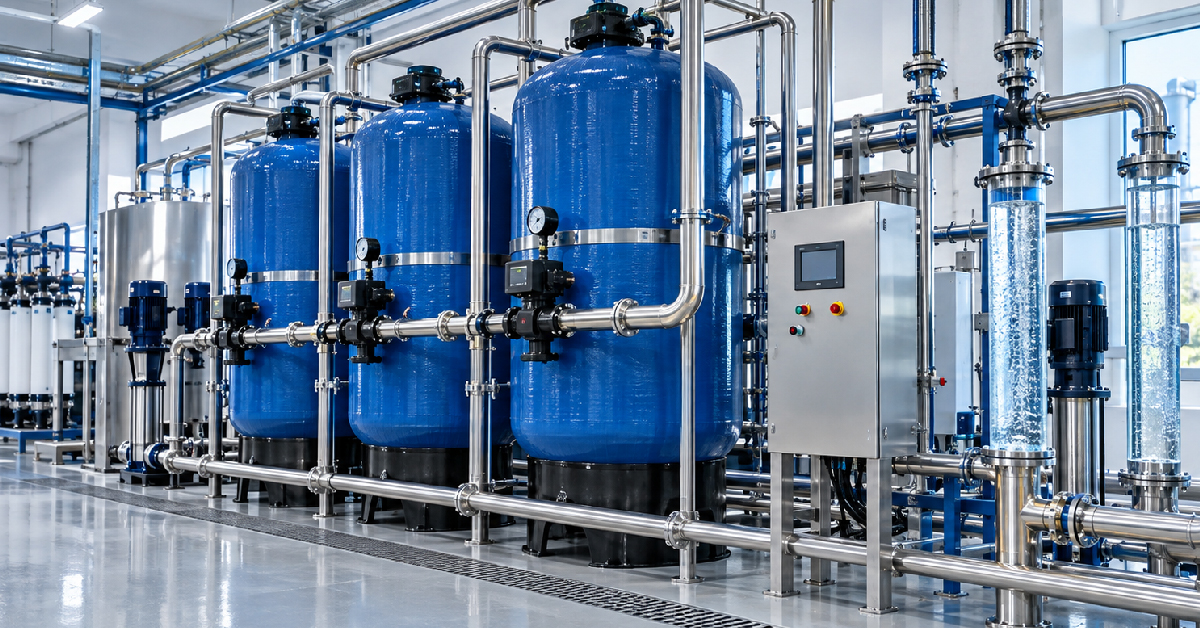
How to Choose the Right Demineralization Plant for Your Industry
Water quality problems rarely announce themselves with one dramatic failure. More often, they appear quietly: higher boiler blowdown, scaling, inconsistent product quality, frequent resin regeneration, rising chemical consumption, or unplanned maintenance. By the time these symptoms become expensive, the real issue may have started much earlier with an incorrectly selected Demineralization Plant. In sectors that…
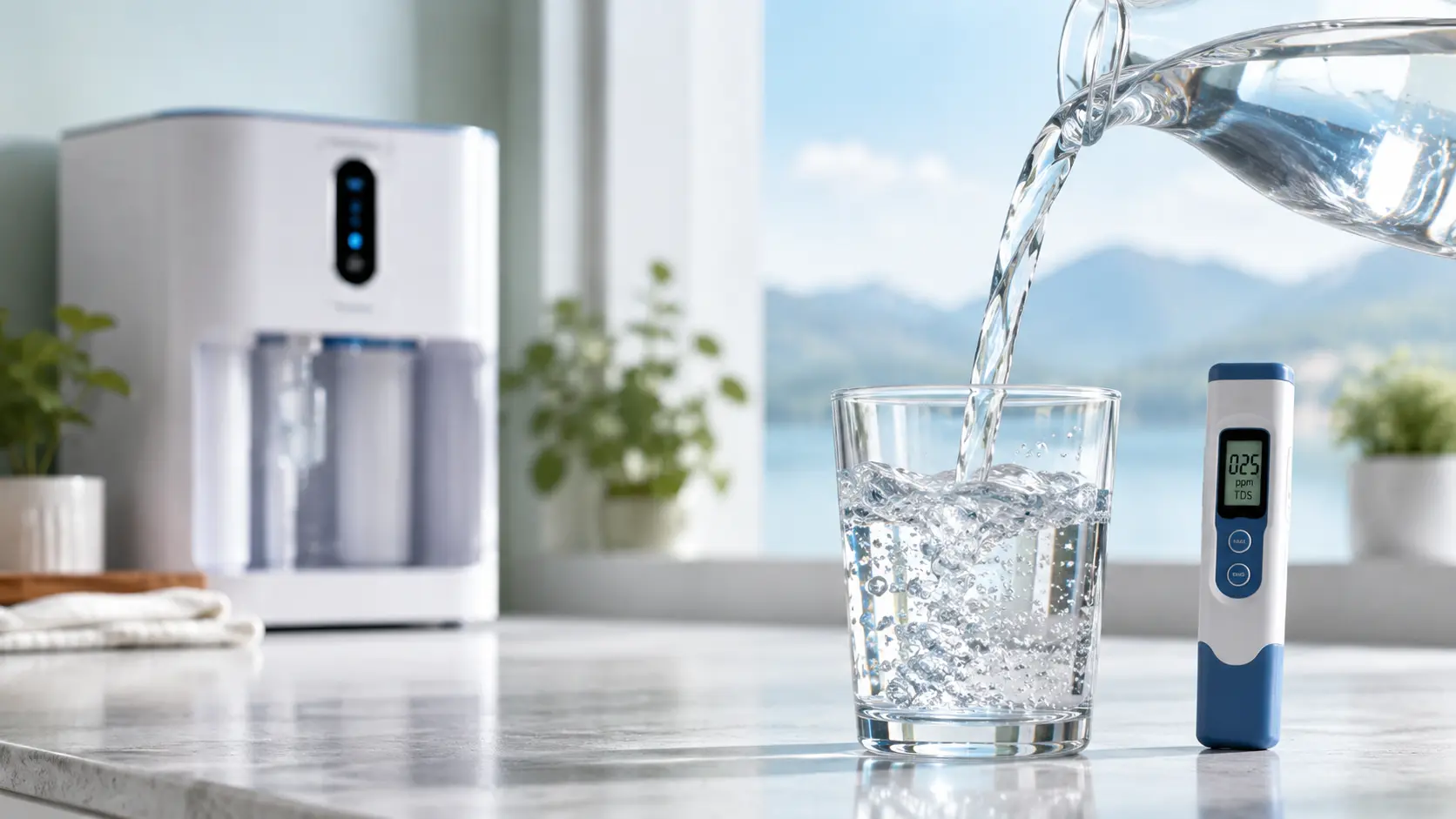
Is 25 TDS Safe for Drinking Water? What You Should Know
If your water purifier shows a reading of 25 ppm, it is reasonable to ask, is 25 TDS safe for drinking water? TDS measurements that fall in this range typically mean that water contains little in the way of dissolved salts and minerals, something that often occurs as a consequence of passing water through a…
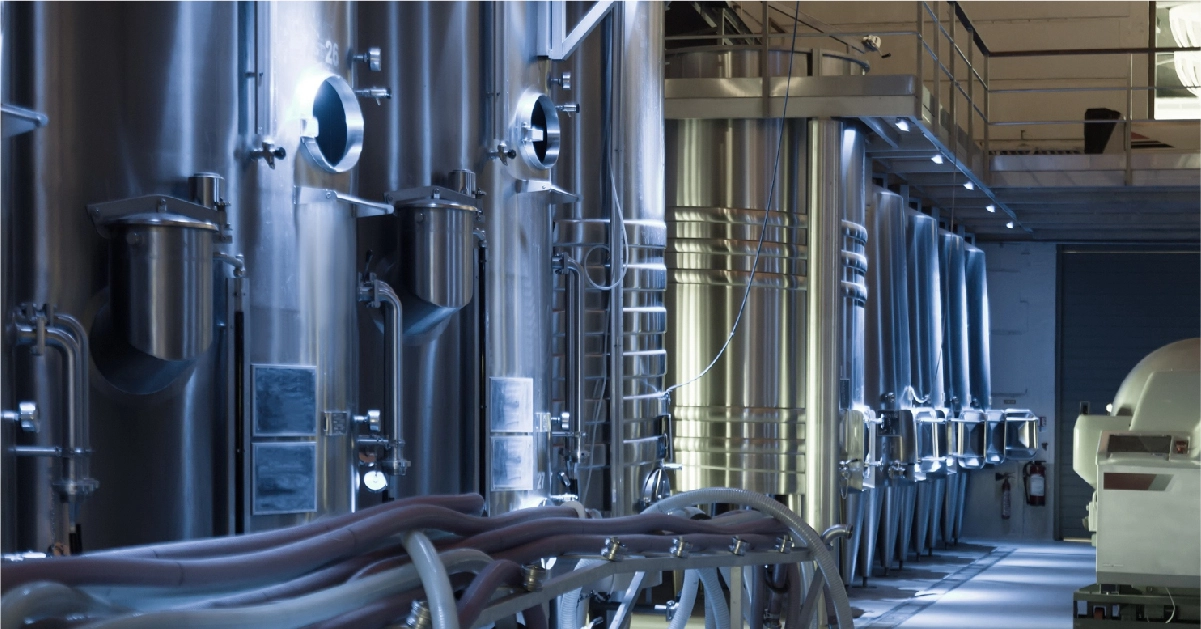
Cation Exchange Resins: Types, Working Mechanism & Industrial Applications
Scaling, hardness, and inconsistent process water quality can affect boilers, heat exchangers, production systems, and downstream water treatment processes. Cation Exchange Resins provide an effective way to remove unwanted positively charged ions and improve water quality for industrial applications. From water softening and demineralisation to high-purity water production, selecting the right resin chemistry and operating…
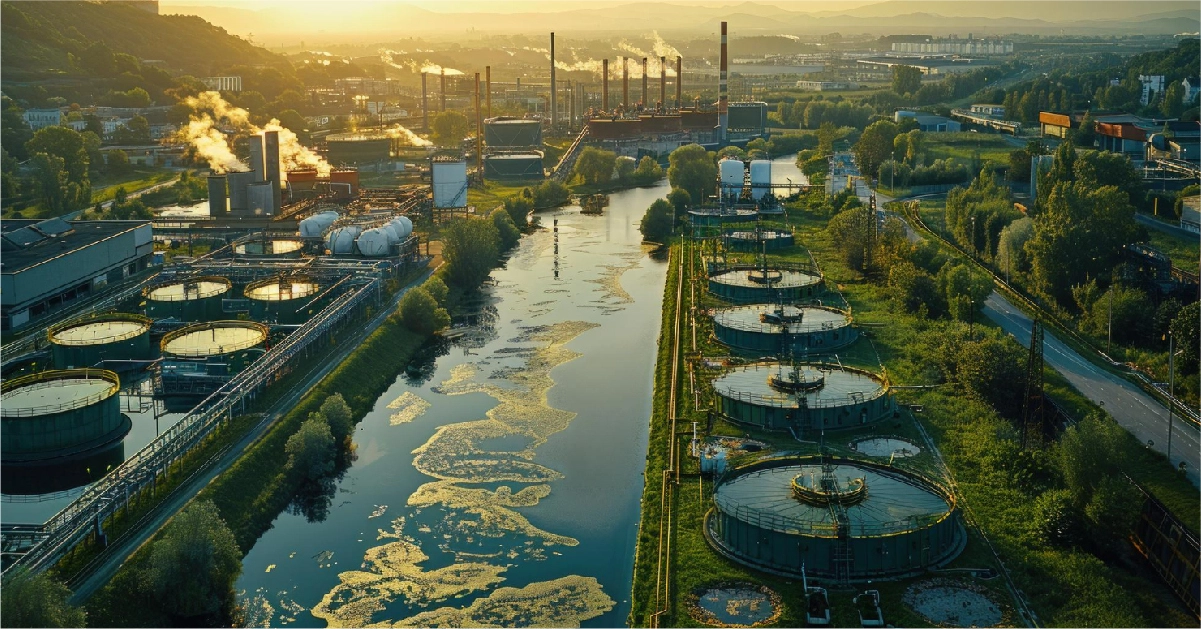
Why Global Industries Trust Ion Exchange for Total Water Management?
Industrial water management is becoming increasingly complex. Industries need reliable water for production, utilities, and critical processes while also managing wastewater, water reuse, regulatory requirements, and operating costs. Managing these requirements through disconnected systems can make operations more difficult to control. An integrated approach brings water treatment, wastewater treatment, recycling, reuse, process technologies, chemicals, and…
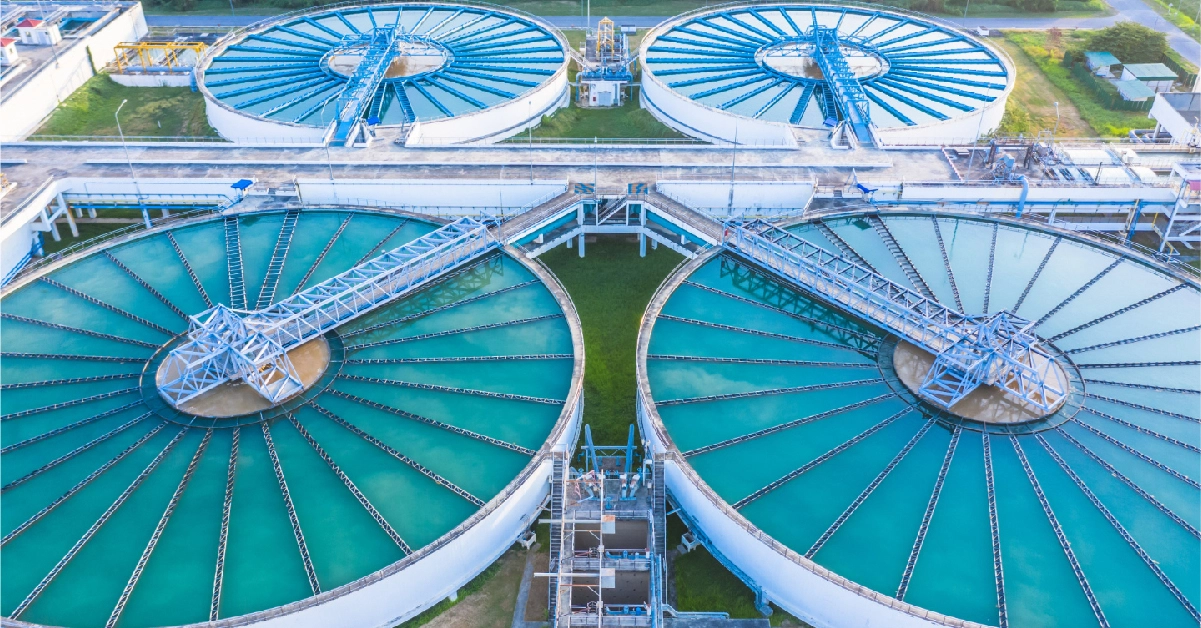
Best Effluent Treatment Plant Manufacturers for Industrial Needs
Industrial wastewater can vary significantly from one facility to another. Textile units may generate colour and chemical-rich effluent, pharmaceutical plants can produce complex chemical wastewater, while food and beverage facilities typically generate wastewater with high organic loads. This makes choosing the right effluent treatment plant manufacturer an important decision. A suitable partner should be able…
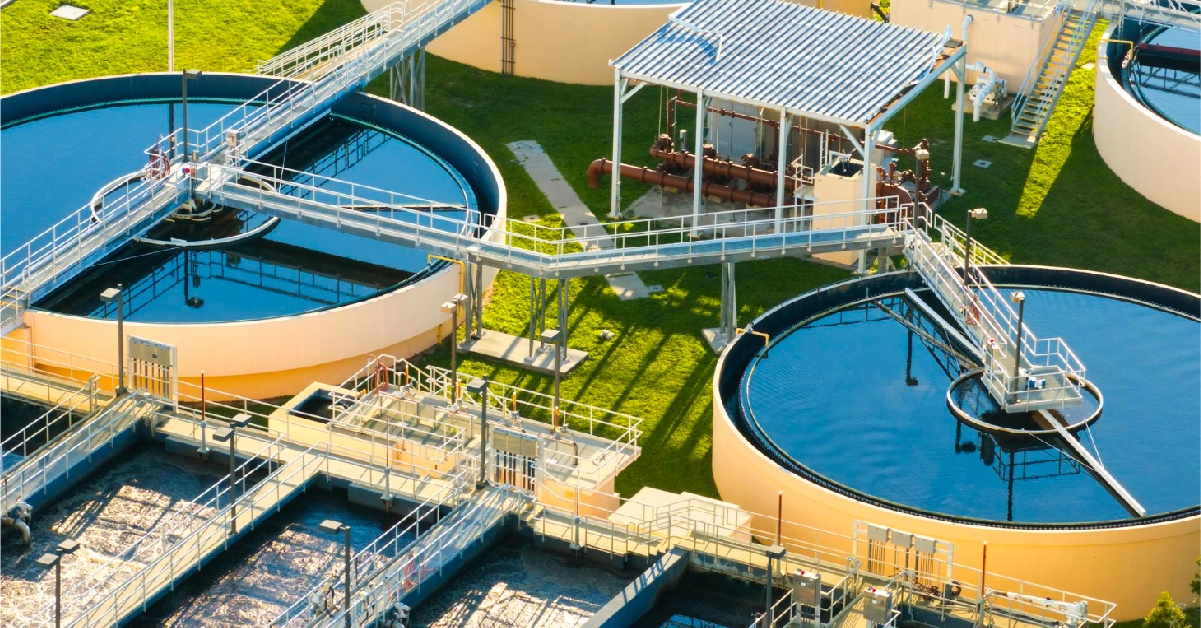
Trusted STP & ETP Plant Manufacturer for Sustainable Water Management
India generates more than 70 billion litres of wastewater every day, creating a significant need for effective treatment, recycling, and reuse. For industries, wastewater treatment is no longer only about meeting discharge requirements. It is increasingly about recovering water, reducing environmental impact, controlling operating costs, and building more sustainable operations. With over 58 years of…
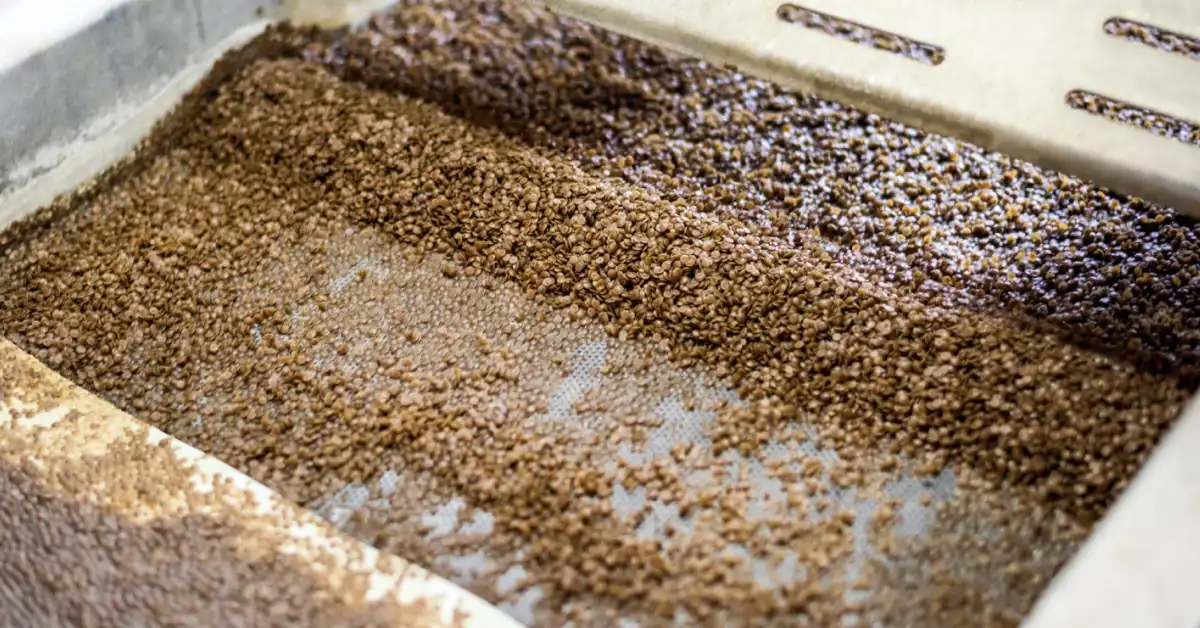
How Mixed Bed Resin Works in Water Treatment Systems Explained?
High-purity water is essential in industries where dissolved minerals can affect product quality, equipment efficiency, and process reliability. A mixed-bed resin system removes both positively and negatively charged ions from water within a single vessel. It is commonly used as a final polishing stage after reverse osmosis or a demineralization plant to produce water with…
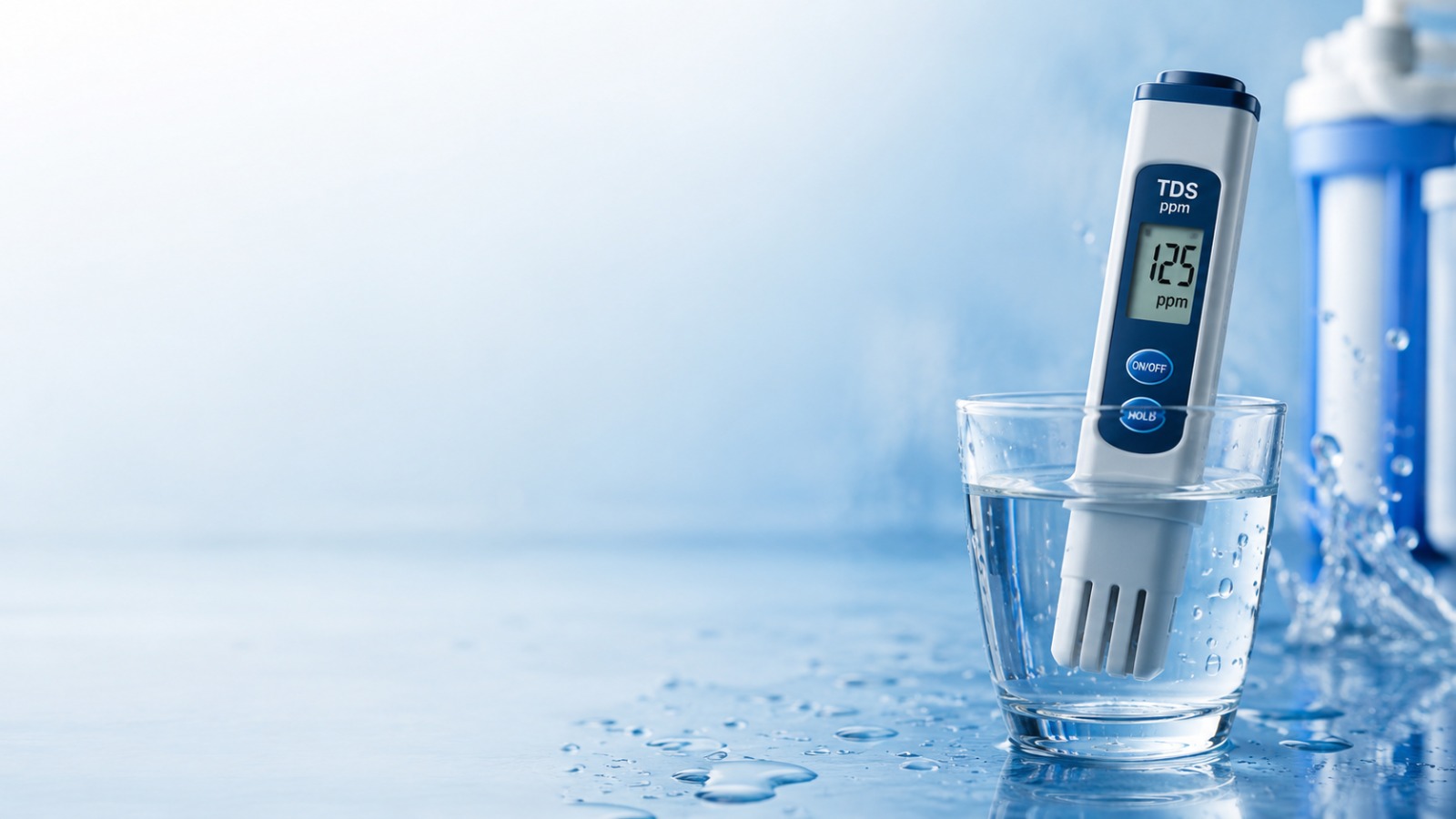
TDS Full Form in Water: Meaning, Levels & How to Reduce It?
The dissolved salts and minerals in water influence its flavor, corrosion, scaling, as well as the efficiency of operations in industrial and municipal water systems. Understanding TDS water meaning is crucial for appropriate treatment technology choice as well as water quality management. TDS measurement helps to understand the total amount of dissolved solid substances, which…
