

Industrial effluent produced by India is greater than 70 billion liters yearly; a majority is not treated. This creates a significant environmental and regulatory challenge. Key ETP plant manufacturers like Ion Exchange assist industries in managing this effluent responsibly through the design and implementation of advanced IWW treatment solutions that will reduce pollutants created in the production process of industries, make water available for reuse, and allow for compliance with strict regulations, while also improving overall operational performance levels.
Table of Contents
ToggleWhat Is an ETP Plant and Why Does Every Industry Need One?
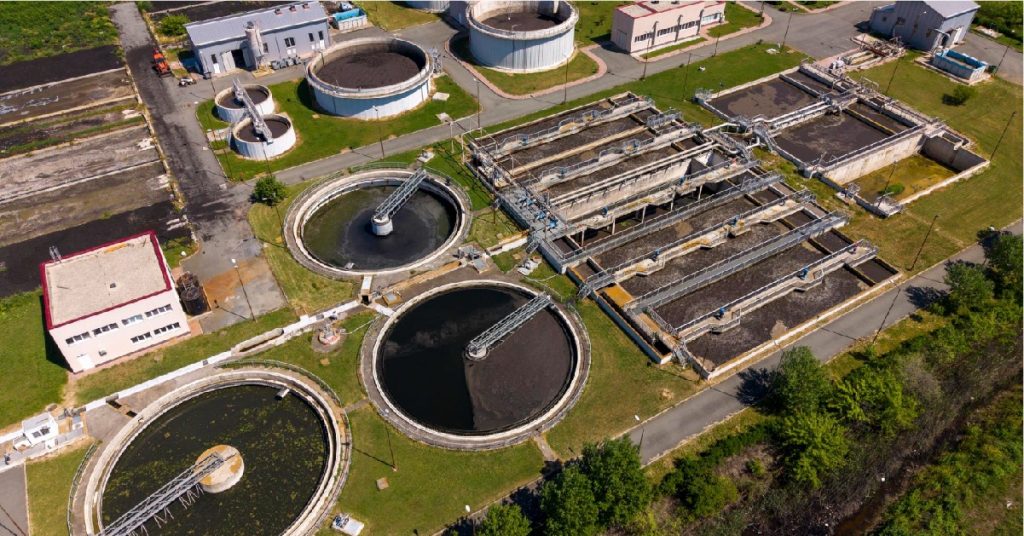
An Effluent Treatment Plant (ETP) treats industrial wastewater before discharge or reuse. Industries like textiles, pharmaceuticals, chemical manufacturing, and food processing generate effluents containing dyes, chemicals, heavy metals, and organic material. If they are not treated properly, these contaminants can pollute rivers, groundwater, and adjacent land, which could result in a violation of laws/regulations and cause damage to the environment. An ETP will ensure that all wastewater is treated to comply with safety and discharge standards and will also protect the environment from harm, as well as protect the public from exposure to harmful substances.
Key Roles That ETP Plant Manufacturers Play in Industrial Wastewater Management
ETP plants are built and maintained by manufacturers who handle a project from start to finish. The manufacturer is responsible for all aspects of the ETP plant, including site assessment, designing and building the ETP plant, supplying equipment for the ETP plant, commissioning, and providing ongoing support for the ETP plant after it has been installed. The best manufacturers will design and build ETP’s based on the type of industrial waste and how the waste is produced, rather than simply producing a generic system. Ion Exchange has a long history of designing and building ETPs for all types of industries that meet the Wastewater Treatment Regulatory Compliance for the industry, provides solutions to allow for water to be reused, and minimizes the operating cost of the ETP.
Modern ETP Technologies Reshaping How Industries Treat Effluent
Technological advances are revolutionising Effluent Treatment Plants (ETPs), and through technology, Industries are able to increase their overall processes’ efficiency, regulatory compliance, and recover more water.
Traditional treatment systems will not effectively treat wastewater like modern biological systems such as Moving Bed Biofilm Reactor (MBBR) and Sequencing Batch Reactor (SBR), where combined with Membrane Bioreactor (MBR) or ultrafiltration (UF) membranes, both produce a higher quality effluent suitable for reuse than traditionally used treatment methods. Profound Reduction in BOD (biochemical oxygen demand), COD (chemical oxygen demand), and Total Suspended Solids can be achieved through the use of the above modern systems.
With Zero Liquid Discharge (ZLD) systems, 100% of wastewater is recycled/recovere,d and there is no liquid effluent discharged, meaning that 100% of the water consumed is re-used. Top manufacturers of ETP systems, such as Ion Exchange, have developed fully integrated ZLD systems for high compliance industries, which will meet regulatory requirements and not only guarantee the maximum amount of water is reused but also provide peace of mind with regards to complying with government regulations.
How ETP Plants Help Industries Stay Compliant with Pollution Control Norms?
Industries in India need to comply with CPCB and State PCB standards when discharging. Companies that do not comply can be fined and face plant closures and NGT fines. As compliance partners with industries, ETP plant manufacturers are responsible for developing systems to treat effluent and meet required BOD, COD, TDS, and other discharge limits. Ion Exchange’s history reflects the successful completion of ETPs meeting compliance requirements, thereby maintaining environmental sustainability as well as providing operational continuity.
What to Look for When Choosing the Best ETP Plant Manufacturer for Your Industry?
When looking to select an ETP Partner, you should consider the following:
- Industry Experience: The prospective partner should provide you with examples of proven implementations of projects in your Industry.
- Customization Capability: The prospective partner should be capable of developing customized solutions for specific effluent types.
- Post-Installation Support: The prospective partner should have O&M capabilities to ensure continued and consistent performance.
- Compliance Knowledge: The prospective partner should have a good understanding of CPCB/State PCB requirements.
- Proven Technologies: The prospective partner should be using MBR, SBR, UF, and ZLD Technologies.
Ion Exchange can check off all the above-listed criteria and provide complete solutions to optimize your ETP technologies for industrial effluents, and provide long-term operational efficiency.
Conclusion: Why Ion Exchange Is a Trusted Name Among Leading ETP Plant Manufacturers in India?
Ion Exchange Global’s decades-long experience in numerous industries makes it a leading provider of ETP plant design & installation, integrated ZLD solutions, and advanced wastewater treatment technologies for industry. As experts in compliance, operational efficiency & sustainable water management, they have the expertise to help the industry. If you’re looking at improving your wastewater management, contact Ion Exchange’s team to learn about the comprehensive ETP solutions available or arrange for a consultation.