

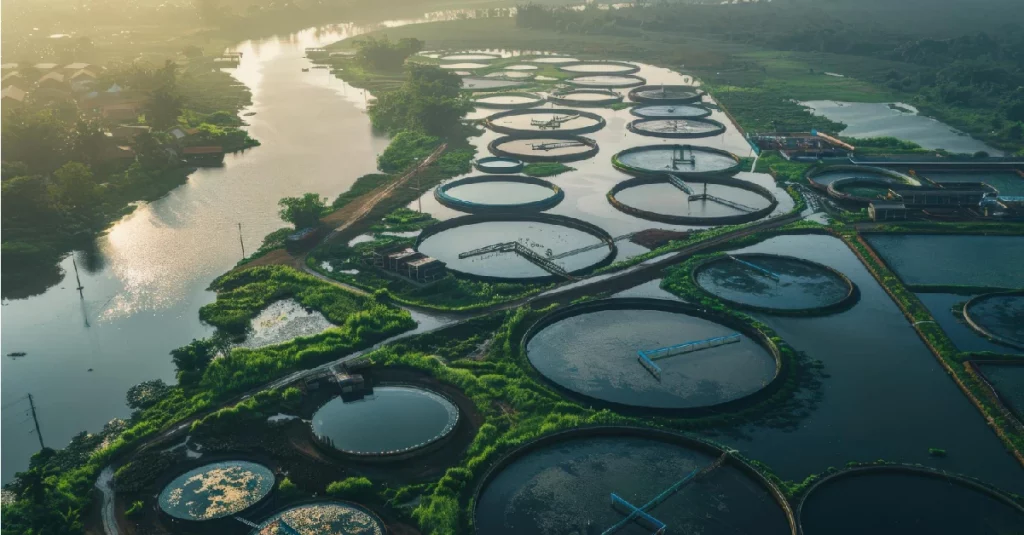
Water is one of the most critical resources for industrial operations. From manufacturing and power generation to food processing and pharmaceuticals, industries depend heavily on water for production, cooling, cleaning, and utility processes. However, increasing water scarcity, rising operational costs, and stricter environmental regulations are making Industrial Water Conservation a strategic business priority rather than just an environmental initiative.
Today, industries worldwide are adopting advanced industrial water management practices to reduce consumption, improve efficiency, and ensure long-term sustainability. By implementing industrial water reuse and recycling systems, organizations can reduce freshwater dependency while supporting sustainable growth.
As water resources become increasingly constrained, effective water conservation in industries is essential for operational resilience and environmental stewardship.
Table of Contents
ToggleWhy Industrial Water Conservation Matters?
Industries are among the largest consumers of freshwater globally. Excessive water use can lead to increased operational costs, regulatory challenges, and resource shortages.
Key drivers for industrial water conservation include:
- Growing water scarcity
- Rising water procurement costs
- Environmental compliance requirements
- Sustainability and ESG commitments
- Increased production demands
- Corporate water stewardship goals
By reducing water consumption, industries can strengthen both environmental and business performance.
Understanding Industrial Water Management
Industrial water management involves optimizing water usage throughout the entire operational cycle.
This includes:
- Water sourcing
- Treatment and purification
- Process optimization
- Water reuse and recycling
- Wastewater treatment
- Resource recovery
A comprehensive industrial water management strategy helps organizations maximize water efficiency while minimizing waste generation.
Conduct a Comprehensive Water Audit
The first step toward effective water conservation in industries is understanding how water is being used.
A water audit helps identify:
- Major water consumption points
- Water losses and leakages
- Inefficient processes
- Opportunities for reuse
- Wastewater generation sources
Accurate data enables industries to prioritize conservation initiatives and develop measurable improvement plans.
Optimize Process Water Consumption
Many industrial facilities consume more water than necessary due to outdated equipment or inefficient operating practices.
Optimization strategies include:
- Improving process controls
- Upgrading water-efficient equipment
- Reducing unnecessary water usage
- Implementing automated monitoring systems
- Optimizing cleaning procedures
Small operational improvements often generate significant water savings over time.
Implement Industrial Water Reuse Programs
Industrial water reuse involves treating and reusing water within the same facility for secondary applications.
Reused water can often be utilized in:
- Cooling systems
- Boiler operations
- Cleaning processes
- Utility applications
- Landscape irrigation
Industrial water reuse reduces dependence on freshwater sources while lowering operating costs.
Invest in Industrial Water Recycling Systems
Industrial water recycling enables wastewater to be treated and returned to the production cycle.
Advanced industrial water recycling systems can recover substantial amounts of water that would otherwise be discharged.
Common recycling technologies include:
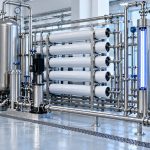
- Ultrafiltration (UF)
- Reverse Osmosis (RO)
- Nanofiltration (NF)
- Membrane Bioreactors (MBR)
- Advanced oxidation systems
Water recycling helps industries create a circular water economy while improving sustainability performance.
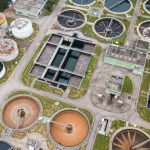
Upgrade Wastewater Treatment Infrastructure
Efficient wastewater treatment is essential for successful water conservation initiatives.
Modern industrial water treatment solutions allow industries to:
- Recover usable water
- Reduce discharge volumes
- Improve effluent quality
- Meet environmental regulations
- Support water reuse programs
Advanced treatment systems transform wastewater from a disposal challenge into a valuable resource.
Adopt Ion Exchange’s Zero Liquid Discharge (ZLD) Systems
For industries operating in water-stressed regions, Zero Liquid Discharge systems offer a powerful conservation strategy.
ZLD systems maximize water recovery by combining:
- Effluent treatment
- Membrane filtration
- Evaporation technologies
- Crystallization systems
Benefits include:
- Near-complete water recovery
- Minimal wastewater discharge
- Reduced freshwater consumption
- Enhanced regulatory compliance
Many industries now view ZLD as a long-term sustainable water management solution.
Utilize Smart Monitoring Technologies
Digital technologies are revolutionizing industrial water management.
Smart monitoring systems help facilities:
- Track water consumption in real time
- Detect leaks quickly
- Monitor treatment performance
- Optimize chemical dosing
- Improve operational efficiency
Data-driven decision-making enables continuous improvement in water conservation performance.
Improve Cooling Water Efficiency
Cooling systems often account for a significant portion of industrial water consumption.
Water conservation measures include:
- Optimizing cooling tower cycles
- Implementing advanced treatment programs
- Reducing blowdown losses
- Recovering condensate water
- Improving heat exchanger performance
Efficient cooling water management can generate substantial water savings.
Recover and Reuse Condensate
Steam systems generate condensate that is often overlooked as a valuable water resource.
Condensate recovery offers several benefits:
- Reduced freshwater demand
- Lower energy consumption
- Improved boiler efficiency
- Reduced treatment requirements
Many industries achieve significant cost savings through effective condensate recovery programs.
Employee Awareness and Water Stewardship
Technology alone cannot achieve water conservation goals.
Organizations should promote:
- Employee training
- Water conservation awareness programs
- Operational accountability
- Continuous improvement initiatives
Building a culture of water stewardship encourages sustainable practices throughout the organization.
Benefits of Industrial Water Conservation
Implementing industrial water conservation strategies delivers multiple business and environmental benefits.
- Reduced Operating Costs
Lower water consumption reduces procurement, treatment, and discharge expenses.
- Enhanced Sustainability Performance
Supports ESG goals and environmental commitments.
- Improved Regulatory Compliance
Helps meet evolving environmental regulations and water usage restrictions.
- Increased Water Security
Reduces vulnerability to water shortages and supply disruptions.
- Stronger Corporate Reputation
Demonstrates responsible environmental management to stakeholders and customers.
Ion Exchange Solutions for Sustainable Water Management
Ion Exchange provides advanced industrial water treatment solutions designed to help industries achieve water conservation and sustainability objectives.
Its offerings include:
- Industrial water management solutions
- Water recycling and reuse systems
- Zero Liquid Discharge (ZLD) plants
- Membrane-based treatment technologies
- Industrial wastewater treatment systems
- Smart monitoring and automation platforms
By combining engineering expertise with advanced treatment technologies, Ion Exchange helps industries optimize water usage, improve resource efficiency, and support sustainable growth.
Conclusion
Industrial Water Conservation is no longer optional; it is a critical component of sustainable business operations. As industries face growing water challenges, adopting effective industrial water management practices, water reuse programs, and industrial water recycling technologies will be essential for maintaining competitiveness and operational resilience.
By investing in sustainable water management and advanced industrial water treatment solutions, organizations can reduce costs, strengthen environmental performance, and secure long-term growth while protecting one of the world’s most valuable resources.