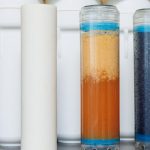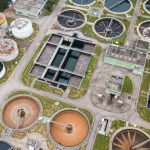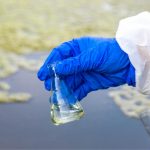


Total Dissolved Solids, or TDS in water, represent the total concentration of dissolved inorganic salts, minerals, and small amounts of organic matter in water. High TDS levels can affect water taste, cause scaling in pipes and appliances, and may pose health concerns if concentrations exceed safe limits. In India and globally, monitoring and reducing TDS has become increasingly important for both domestic and industrial water use.
Understanding what TDS is in water, its effects, and how to reduce TDS in water quickly is essential for households, industries, and municipalities aiming to ensure safe, clean, and palatable water.
Table of Contents
ToggleWhat Is TDS in Drinking Water?
TDS in drinking water measures all dissolved substances, including calcium, magnesium, sodium, potassium, chloride, sulfate, and bicarbonate ions. These dissolved solids influence water hardness, taste, and suitability for consumption. While water naturally contains some minerals, levels above 500 mg/L may be undesirable for drinking purposes. Using a TDS meter, users can determine the water’s mineral concentration, and a TDS meter reading meaning helps interpret whether the water is within a safe range.
Safe TDS Levels in Drinking Water
According to WHO and local health standards:
- 50–150 mg/L: Excellent taste
- 150–300 mg/L: Good for drinking
- 300–500 mg/L: Acceptable, may taste slightly salty
- Above 500 mg/L: Not recommended for long-term consumption
Monitoring TDS ensures water quality for both health and appliance longevity.
Effects of High TDS in Water
High TDS water can cause:
- Unpleasant taste and odor
- Scaling in boilers, RO systems, and pipelines
- Reduced efficiency of industrial processes
- Potential health issues if specific ions like sodium or nitrates are excessive
Maintaining water at safe TDS levels is essential for domestic, commercial, and industrial applications.
How to Reduce TDS in Water Fast?
1. Reverse Osmosis (RO) Systems
RO is the most effective method to reduce TDS rapidly. RO water TDS reduction works by forcing water through a semi-permeable membrane, leaving dissolved salts and contaminants behind. RO systems can reduce TDS by up to 90–99%, making water suitable for drinking and industrial use.
2. Distillation
Distillation heats water to produce vapor, leaving dissolved solids behind. While highly effective, it is energy-intensive and slower than RO systems.
3. Deionization and Ion Exchange
Ion exchange water treatment replaces calcium, magnesium, and other ions with hydrogen or sodium ions. Deionization resins can achieve very low TDS levels, suitable for laboratory and industrial water applications.
4. Blending with Low TDS Water
For industrial purposes, mixing high TDS water with low TDS sources can bring concentrations down to acceptable levels quickly.
Monitoring and Maintaining TDS Levels
- Use a TDS meter for real-time measurement.
- Regularly check RO or filtration system performance.
- Ensure periodic maintenance and membrane replacement to maintain water quality.
- Combine multiple treatment techniques for high TDS water sources.
Conclusion
Understanding what TDS is in water and maintaining safe TDS levels is essential for drinking water, industrial processes, and appliance longevity. Effective solutions such as reverse osmosis, distillation, and ion exchange provide rapid and reliable reduction of TDS.
Connect with Ion Exchange experts to explore advanced TDS reduction solutions, industrial water treatment systems, and reverse osmosis plants designed for safe, high-quality water.