
Overview
INDION textile effluent treatment chemicals address coloured wastewater generated by dyeing and textile operations. The documented programme uses coagulants and flocculants in the effluent-treatment plant to precipitate colour, form settleable flocs and support further colour removal. INDFOAM defoamer is available for foam control in the biological system when required.
The treatment sequence and product selection depend on the wastewater composition, colour, pH, solids and discharge or reuse target.
 Speciality Chemical Treatment Programmes for Water and Process ApplicationsPDFDownload
Applications
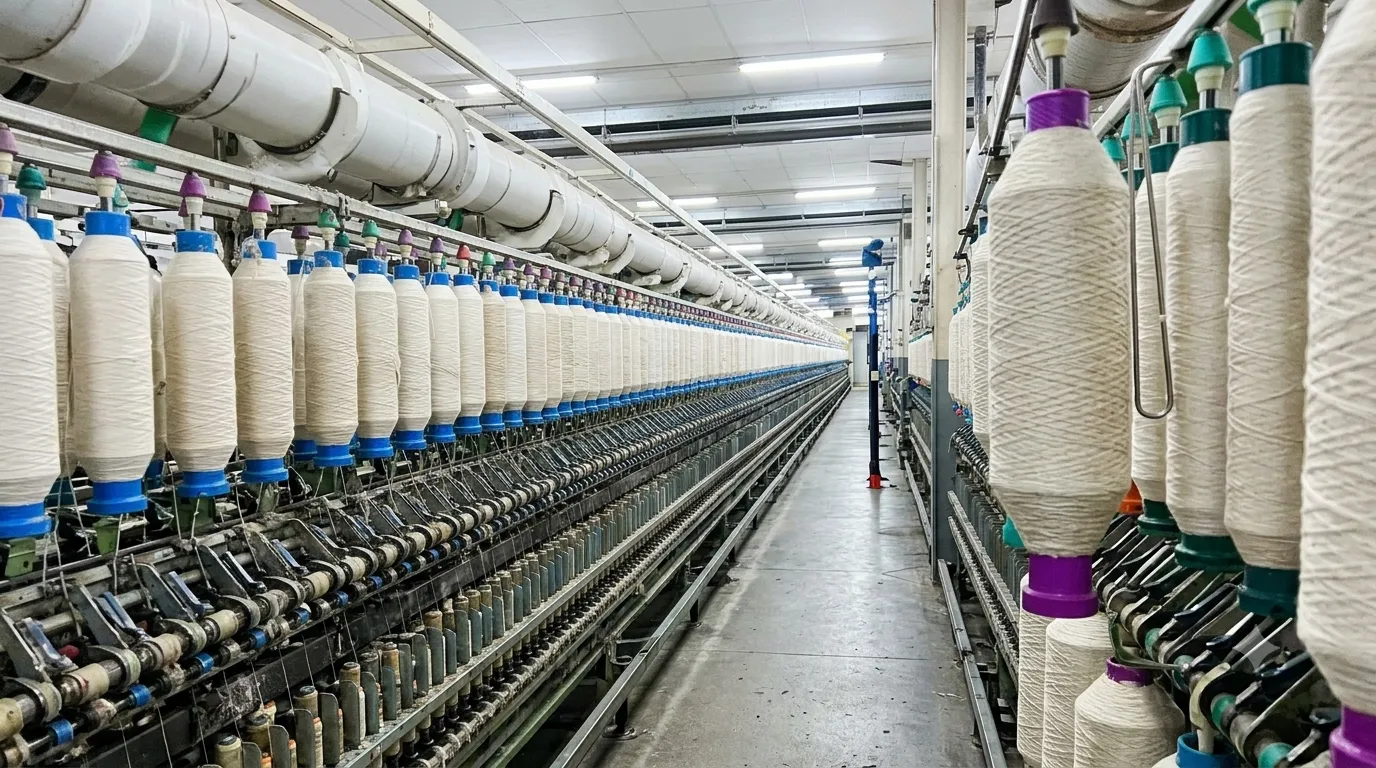
Textile dyeing and processing
Treatment of coloured wastewater generated by dyeing operations.
Textile ETP primary treatment
Coagulation and flocculation for precipitating colour and forming settleable flocs.
Biological treatment
Foam control where foam is present in the biological system.
Tertiary treatment
Further colour treatment based on the residual colour and discharge or reuse target.
Process use and chemical role
Where the chemicals enter the ETP
| Process stage or system | Chemical or operational role |
|---|---|
| Preliminary treatment | Screens remove rags, lint, fabric, yarn and other coarse solids before chemical treatment. |
| Primary treatment | INDFLOC 100L is listed as an inorganic colour-removal coagulant. INDFLOC 856M and INDFLOC 847M are listed for primary treatment of coloured wastewater; INDFLOC 856M is also listed for lignin colour removal. |
| Flocculation and settling | INDFLOC 443HM is a high-molecular-weight flocculant used to settle precipitated colour and flocs. |
| Biological treatment | The biological stage removes organic load. INDFOAM 1502 is listed as a defoamer for a biological system when foam is present. |
| Tertiary treatment | INDFLOC 857M, INDFLOC 858M and INDFLOC 859M are listed for tertiary wastewater treatment. The required grade depends on the residual colour and treatment target. |
- 01
Preliminary treatment
Screens remove coarse solids
- 02
Primary treatment
Colour precipitation
- 03
Flocculation and settling
- 04
Biological treatment
Removes organic load
- 05
Tertiary treatment
Further colour removal
Benefits and intended outcomes
OUTCOME 1
The documented programme supports colour precipitation, floc formation and further colour removal in the effluent-treatment plant.
OUTCOME 2
INDFOAM 1502 is listed for foam control in a biological system when foam is present.
OUTCOME 3
The brochure identifies COD reduction as a programme objective.
Product range and examples
Primary colour removal
INDFLOC 100L, 856M and 847M are listed for primary treatment; 856M is also listed for lignin colour removal.
Floc settling
INDFLOC 443HM is listed as a high-molecular-weight flocculant for precipitated colour and flocs.
Tertiary treatment
INDFLOC 857M, 858M and 859M are listed for tertiary wastewater treatment.
Biological-system foam control
INDFOAM 1502.
Selection and implementation
SYSTEM-SPECIFIC SELECTION
Select the treatment sequence and product against wastewater composition, colour, pH, solids and the discharge or reuse target. Confirm performance through analysis and laboratory or plant trials.
FAQs
Are these chemicals added to the dye bath?
The supplied product information describes colour-removal chemicals for textile effluent treatment in the ETP, not a dye-bath recipe.
Which product is used in primary colour removal?
INDFLOC 100L is listed as an inorganic colour-removal coagulant; INDFLOC 856M and 847M are also listed for primary coloured-wastewater treatment.
How is the tertiary product selected?
Selection depends on the remaining colour, wastewater chemistry and required treated-water quality.
Request a technical review
Share an effluent analysis and treatment target to assess the colour-removal programme.
+91-22-6610-0678+91-22-6231-2000+91-22-6231-20429:00 AM to 6:00 PM INDIA IST