
Overview
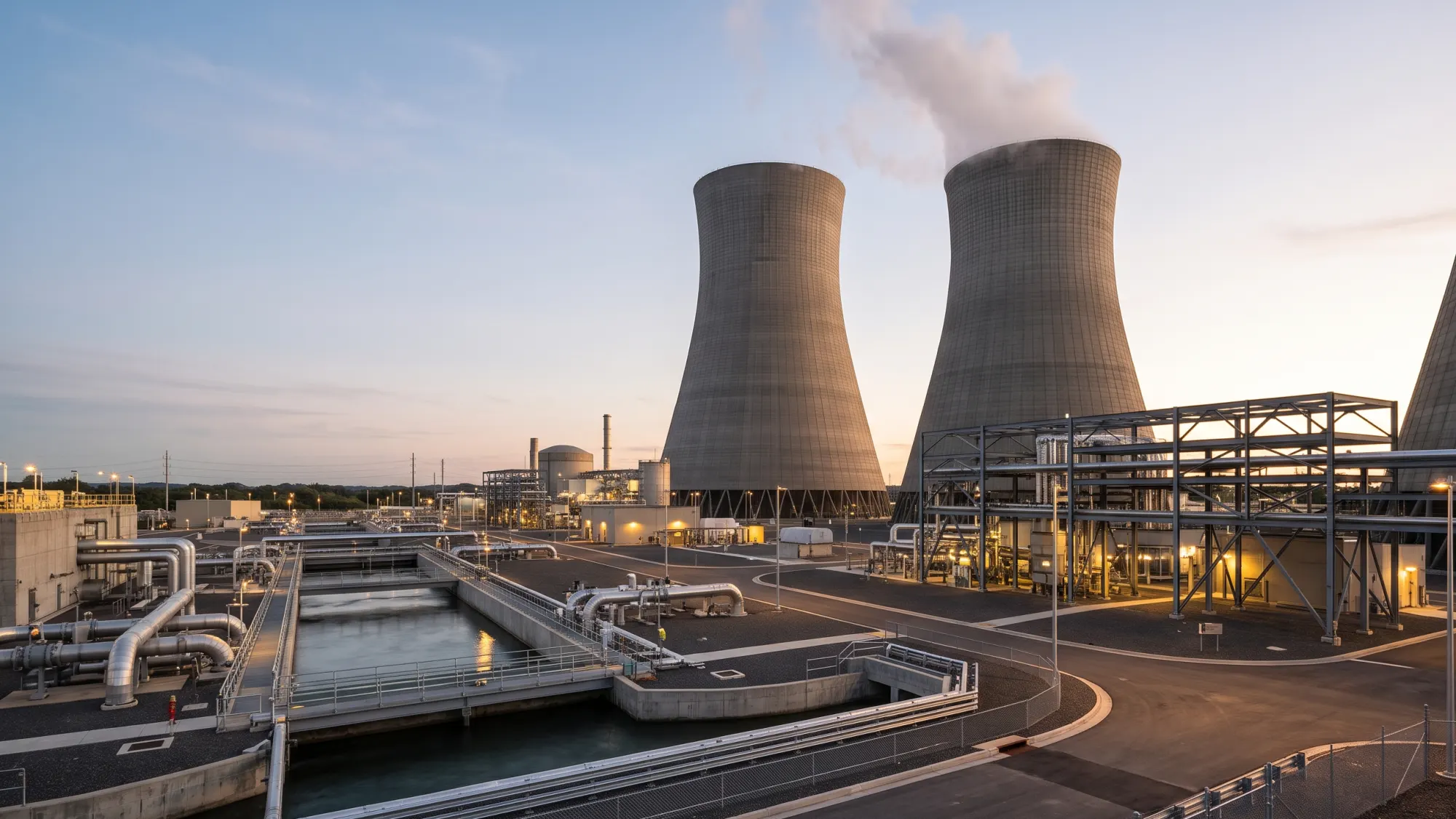
INDION cooling-water treatment programmes combine selected chemicals and monitoring to control corrosion, scale, fouling and biological growth in industrial cooling systems. The chemistry is chosen for the makeup water, system materials, heat load, cycles of concentration and operating conditions.
 Speciality Chemical Treatment Programmes for Water and Process ApplicationsPDFDownload
Applications
Cooling towers
Chemical treatment and monitoring for recirculating cooling water.
Industrial cooling-water circuits
Control objectives selected for water quality, materials and heat load.
Automated dosing
INDION Autochem supports selected cooling-tower monitoring and dosing functions.
Process use and chemical role
Chemistry in the cooling-water circuit
| Process stage or system | Chemical or operational role |
|---|---|
| Corrosion and scale control | Corrosion inhibitors and scale inhibitors protect system surfaces and help limit mineral deposition. |
| Dispersants and silica control | Polymeric dispersants and silica inhibitors are selected where the makeup water and operating concentration create a fouling or silica risk. |
| Microbiological control | Oxidizing or non-oxidizing biocides and biodispersants are selected for the system’s biological-control requirements. |
| Monitoring and feed control | Water chemistry, corrosion, deposits and biological activity can be monitored. INDION Autochem can automate selected cooling-tower measurements, dosing functions and timers, depending on model. |
Where the chemicals are applied
Treatment chemicals are fed into the cooling-water circuit at locations and rates selected for the plant design and treatment programme. The exact feed point, control limits and biocide schedule should be confirmed for the system rather than copied from a generic page.
- 01
Makeup water
- 02
Recirculating circuit
Chemical feed
- 03
Heat exchange
Returns to the recirculating circuit
Blowdown
Leaves the recirculating circuit
Monitoring
Benefits and intended outcomes
OUTCOME 1
Programmes may address corrosion, scale, silica, fouling and microbiological growth.
OUTCOME 2
Monitoring and feed controls support review of selected water conditions and treatment functions.
Product range and examples
Corrosion and scale control
Selected corrosion inhibitors and scale inhibitors.
Deposit and silica control
Polymeric dispersants and silica inhibitors where required by water chemistry and operating concentration.
Microbiological control
Oxidizing or non-oxidizing biocides and biodispersants, selected for the system.
Monitoring and dosing
INDION Autochem model-dependent measurement, dosing and timer functions.
Selection and implementation
SYSTEM-SPECIFIC SELECTION
Select chemistry for makeup-water analysis, system materials, heat load, cycles of concentration, operating conditions and biological-control requirements. Confirm feed points, control limits and biocide schedules for the plant.
Cooling tower cycle optimiser
Explore how changing cycles of concentration affects makeup water, blowdown, annual costs and potential treatment threats.
Operating inputs
Edit values to recalculate every resultSystem operation
Makeup water chemistry
Costs and screening reference
Enter the input details to view the water health of your cooling tower.
Explore cycles of concentration
Screening reference only-
-
Water and financial opportunity
Makeup water saved / year
-
Blowdown reduced / year
-
Annual cost difference
-
Treatment threats at selected cycles
Scaling tendency
-
INPUT REQUIREDCorrosion concern
-
INPUT REQUIREDTemperature-related microbial growth potential
-
INPUT REQUIRED
Recommended treatment categories
Scale inhibitor
Recommended for control of mineral deposition. Selection depends on circulating chemistry and limiting salts.
Corrosion inhibitor
Recommended following review of metallurgy, water chemistry, oxidant exposure and operating conditions.
Biocide treatment
Consider oxidising biocide for routine control and non-oxidising biocide as a supplemental or periodic option, subject to site review.
Request product details
Share your selected operating scenario with Ion Exchange for a product-level recommendation.
FAQs
What does a cooling-water programme control?
The programme may address corrosion, scale, silica, fouling and microbial growth.
Can treatment support higher cycles of concentration?
A programme can be designed around the required operating concentration and water quality; the achievable cycles depend on the full system and its limits.
Can the dosing be automated?
INDION Autochem supports selected cooling-tower monitoring and dosing-control functions. Model configuration determines available controls.
Request a technical review
Request a cooling-water review using makeup analysis, system design and operating data.
+91-22-6610-0678+91-22-6231-2000+91-22-6231-20429:00 AM to 6:00 PM INDIA IST