
Overview
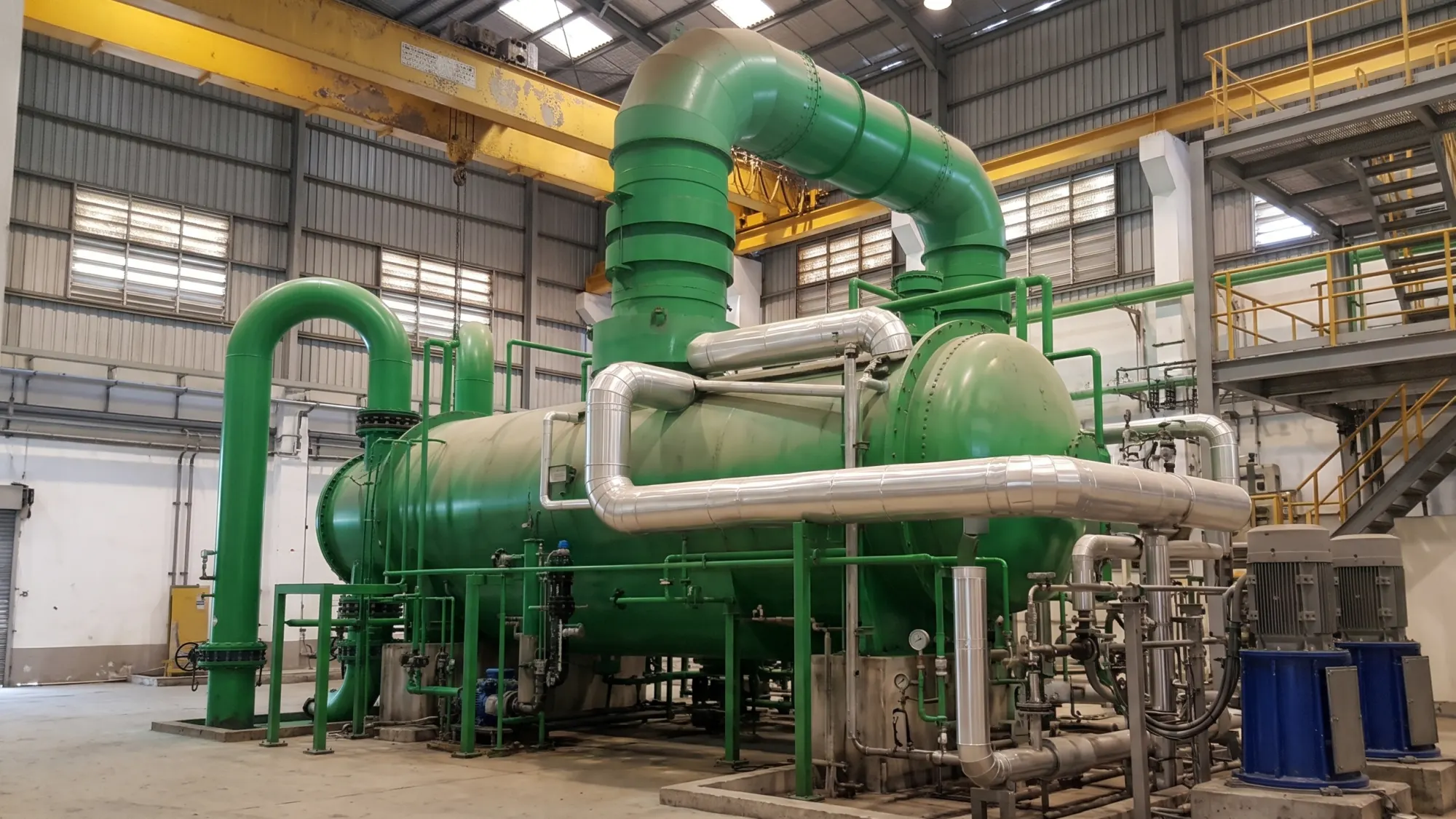
Dispersants are substances that disperse another substance in a medium such as water to form a colloidal solution. Their main function is to reduce the adhesion between particles and prevent flocculation. They are used in wastewater treatment, mining, reverse osmosis, oil and gas, cooling water and boiler water treatment.
Scale and deposits on cooling water exchangers and boiler tubes reduce heat transfer and increase energy consumption. On reverse osmosis membranes they hinder permeation, which increases energy consumption and reduces production. Suitable dispersants dislodge the accumulation of unwanted material.
 Speciality Chemical Treatment Programmes for Water and Process ApplicationsPDFDownload
Applications
Cooling water
Scale and deposit control on exchanger surfaces, where accumulation reduces heat transfer and raises energy consumption.
Boiler water
Sludge control in the boiler circuit, including control of hydrated iron oxide in the condensate return line.
Reverse osmosis
Control of deposits that hinder membrane permeation and reduce production.
Wastewater treatment
Control of triple phosphate, which restricts water flow and creates the need for periodic cleaning.
Mining and mineral slurries
Extraction of calcium, phosphate, kaolin and sand mixes minerals with water to form slurry. Dispersants slow or prevent separation and help slurries flow freely.
Process use and chemical role
Choose a dispersant by duty
| Process stage or system | Chemical or operational role |
|---|---|
| General scale inhibition | INDSPERSE 1944, 1945 and 1945N inhibit scale through solubility enhancement or threshold effect, and through dispersing activity that keeps precipitated inorganic particulates off surfaces. |
| Calcium phosphate and zinc stabilisation | INDSPERSE 1940AM stabilises calcium phosphate, calcium silt, phosphonate and zinc, and acts as a crystal modifier. |
| Harsh cooling water conditions | INDSPERSE 1931 and 1931M for extremely low or high Ryznar indexes, high iron and high zinc or phosphate, with control of boiler sludge and of hydrated iron oxide in condensate return. |
| Scale inhibition with detergency | INDSPERSE 1942, a scale inhibitor and mineral dispersant that sequesters calcium and magnesium ions and disperses inorganic solids. |
| Silica and silicate control | INDSPERSE 1960 and 1950, multifunctional ter-polymers controlling precipitation of silica, calcium phosphate and silicates and dispersing clay, silt and other suspended solids. |
| Slip and rheology control | INDSPERSE 1938, a specialty polymer that improves the rheological properties of slip and maintains flowable characteristics. |
Benefits and intended outcomes
OUTCOME 1
Deposits on heat exchanger surfaces and boiler tubes reduce heat transfer and increase energy consumption, and dispersants dislodge that accumulation.
OUTCOME 2
The range is available in various chemistries, molecular weights, active percentages and pH ranges, so the product can be matched to the system.
OUTCOME 3
Dispersing activity keeps surfaces clean for maximum heat transfer and can enhance the performance of organic corrosion inhibitors.
Product range and examples
INDSPERSE 1944
Active content 40 to 44 percent, bulk viscosity 100 to 500 cps, pH 3.0 to 4.0, specific gravity 1.15 to 1.25.
INDSPERSE 1945
Active content 42 to 46 percent, bulk viscosity 100 to 400 cps, pH 7.0 to 8.0, specific gravity 1.20 to 1.35.
INDSPERSE 1945N
Active content 40 to 44 percent, bulk viscosity 100 to 500 cps, pH 6.5 to 8.0, specific gravity 1.15 to 1.25.
INDSPERSE 1940AM
Active content 40 to 43 percent, bulk viscosity 300 to 500 cps, pH 3.0 to 4.0, specific gravity 1.10 to 1.20.
INDSPERSE 1931
Active content 42 to 46 percent, bulk viscosity 100 to 500 cps, pH 2.0 to 4.0, specific gravity 1.10 to 1.30.
INDSPERSE 1942
Active content 40 to 42 percent, bulk viscosity 1500 to 2500 cps, pH 7.0 to 8.0, specific gravity 1.20 to 1.30.
INDSPERSE 1931M
Active content 42 to 46 percent, bulk viscosity 100 to 500 cps, pH 2.0 to 4.0, specific gravity 1.10 to 1.30.
INDSPERSE 1960
Active content 45 to 50 percent, bulk viscosity 100 to 400 cps, pH 2.5 to 3.0, specific gravity 1.10 to 1.20.
INDSPERSE 1950
Active content 45 to 50 percent, bulk viscosity 100 to 400 cps, pH 2.5 to 3.0, specific gravity 1.10 to 1.20.
INDSPERSE 1938
Active content 38 to 42 percent, bulk viscosity 50 to 300 cps, pH 6.5 to 8.0, specific gravity 1.25 to 1.35.
INDION 1938
Active content 38 to 42 percent, bulk viscosity 50 to 300 cps, pH 12.0 to 13.5, specific gravity 1.25 to 1.35.
Selection and implementation
SYSTEM-SPECIFIC SELECTION
Choose the chemistry, molecular weight, active content and pH range for the system and its deposit load. Laboratory or plant testing can help confirm the programme.
FAQs
Where are dispersants applied?
In wastewater treatment, mining, reverse osmosis, oil and gas, cooling water and boiler water treatment. Removal dispersants are in many instances applied as a process chemical.
Why do slurries need a dispersant?
Slurry is a mixture of a solid and a liquid with a natural tendency to separate. Separation creates transportation, storage and manufacturing problems, including difficulty pumping. Dispersants disperse the slurry solids to slow or prevent separation.
Is there one product for every system?
No. The range covers different chemistries, molecular weights, active percentages and pH ranges, and the selection follows the system conditions.
Request a technical review
Request a treatment review or product recommendation for your water or process stream.
+91-22-6610-0678+91-22-6231-2000+91-22-6231-20429:00 AM to 6:00 PM INDIA IST