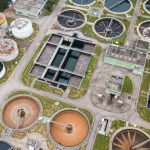


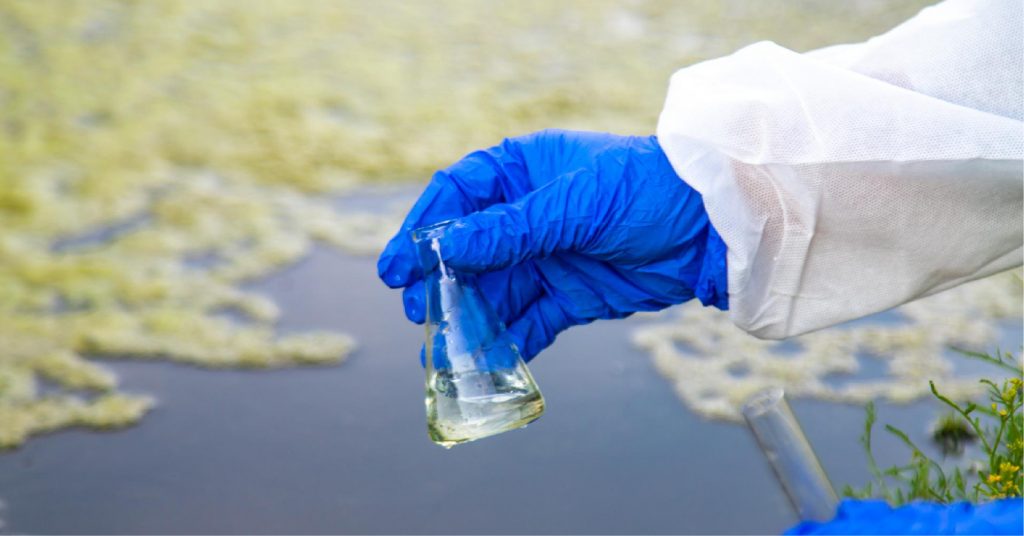
The increasing demand for clean water across industries and municipalities has made controlling Water Contamination a critical priority. Rivers, lakes, reservoirs, and other surface water sources are widely used for drinking water, industrial processes, and irrigation. However, rapid urbanization, industrial discharge, and agricultural runoff have significantly increased the risk of Surface Water Contamination.
To ensure a safe and reliable water supply, advanced treatment technologies are required to control surface water pollution and maintain water quality. Modern Water Treatment systems help remove contaminants, protect ecosystems, and support sustainable water management.
Table of Contents
ToggleUnderstanding Surface Water Contamination
Surface water refers to water found in natural sources such as rivers, lakes, ponds, canals, and reservoirs. These sources are highly vulnerable to pollution because they are exposed to environmental and human activities.
Common causes of Surface Water Contamination include:
- Industrial discharge
- Municipal sewage
- Agricultural runoff
- Oil and chemical spills
- Solid waste dumping
- Stormwater runoff
If untreated, surface water pollution can affect drinking water supplies, damage aquatic life, and create serious health risks.
Impact of Surface Water Pollution
Uncontrolled Water Contamination can have severe environmental and operational consequences.
Some major impacts include:
- Degradation of drinking water quality
- Harm to aquatic ecosystems
- Spread of waterborne diseases
- Damage to industrial equipment
- Increased treatment costs
- Non-compliance with environmental regulations
Because of these risks, effective control of Surface Water Contamination is essential for industries, municipalities, and water utilities.
Importance of Surface Water Treatment Systems
Advanced treatment systems are designed to remove impurities from surface water before it is used for drinking, industrial processes, or reuse.
A modern treatment system typically includes:
- Screening and clarification
- Filtration processes
- Chemical treatment
- Disinfection
- Advanced membrane filtration
These technologies help eliminate suspended solids, organic pollutants, microorganisms, and dissolved contaminants.
Technologies for Surface Water Contamination Control
Coagulation and clarification processes help remove suspended solids and turbidity from surface water.
Chemicals are added to bind small particles together so they can be removed easily through sedimentation.
This step is essential for reducing the load on filtration systems.
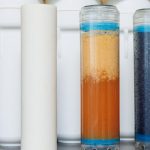
Filtration is used to remove fine particles and impurities that remain after clarification.
Common filtration methods include:
- Sand filters
- Pressure filters
- Multimedia filters
- Activated carbon filters
These systems help improve water quality and prepare it for further treatment.
Membrane systems provide advanced purification for controlling Surface Water Contamination.
Common membrane processes include:
- Ultrafiltration
- Nanofiltration
- Reverse osmosis
Membrane technology removes bacteria, viruses, dissolved salts, and organic contaminants, making water suitable for industrial and potable use.
Disinfection is required to eliminate harmful microorganisms present in contaminated surface water.
Common disinfection methods include:
- Ultraviolet (UV) treatment
- Chlorination
- Ozonation
These processes ensure that treated water is safe for use.
Solutions for Industrial and Municipal Applications
Industries and municipalities require customized systems to control surface water pollution based on the quality of the source water.
Applications include:
- Drinking water treatment plants
- Industrial water treatment systems
- Cooling tower water treatment
- Process water purification
- Irrigation water treatment
Advanced solutions help maintain consistent water quality even when raw water conditions change.
Ion Exchange Solutions for Surface Water Treatment
Ion Exchange provides advanced solutions for controlling Surface Water Contamination through integrated Water Treatment technologies designed for industrial and municipal applications.
Solutions for Groundwater Contamination
The nature of contamination of drinking water in India varies from region to region. Groundwater is vulnerable to contamination by pollutants such as arsenic, iron, uranium, nitrate, etc. Ion Exchange provides hand pumps and tube well attachments to take care of these 3 contaminants. In Madhya Pradesh, 12 m /d 3 and 30 m /d fluoride removal tube well attachments (FRTWA) have been provided to the Mandla Public Health Engineering 3 Department (PHED), and 8 m /d, 12 m /d 3 3 and 30 m /d FRTWAs were provided to PHED, Seoni.
Solutions for Surface Water Contamination
Surface water is extremely susceptible to pollution because it occupies large portions of the Earth’s surface. Surface water pollution is almost entirely the result of human activities. Agriculture, mining, factory effluent, landfills, human/animal waste, and localized pollution are just some of the most common sources of surface water pollution. Ion Exchange provides various solutions to combat growing surface water contamination. In Chhattisgarh, Ion 3 Exchange provided 160 m /h & 75 m /h Lamella Clarifiers to PHED Jashpur and 150 3 3 3 m/h & 80 m /h to the Balrampur & Raigarh 3 3 PHEDs, respectively. 32 m /h & 30 m /h Lamella Clarifiers were also provided to the Pey Jal Nigam, Uttarakhand & Panna PHED 3, Madhya Pradesh. Besides this, 25 m /h Lampak was supplied to the Rural Water Supply & Sanitation Department, Odisha.
Supporting Sustainable Water Management
Effective control of Surface Water Contamination plays an important role in protecting natural resources and ensuring long-term water availability.
Advanced treatment systems help:
- Reduce environmental pollution
- Protect drinking water sources
- Enable water reuse
- Improve industrial efficiency
- Support sustainable development
With proper treatment infrastructure, surface water can remain a reliable source for future generations.
Conclusion
Rising levels of Water Contamination and surface water pollution make advanced treatment solutions essential for industries and municipalities. By using modern technologies such as clarification, filtration, membrane systems, and disinfection, it is possible to control Surface Water Contamination and ensure a safe, high-quality water supply.
Investing in advanced surface water treatment solutions helps protect the environment, improve operational efficiency, and support sustainable water management.