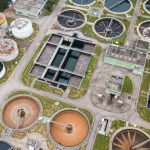


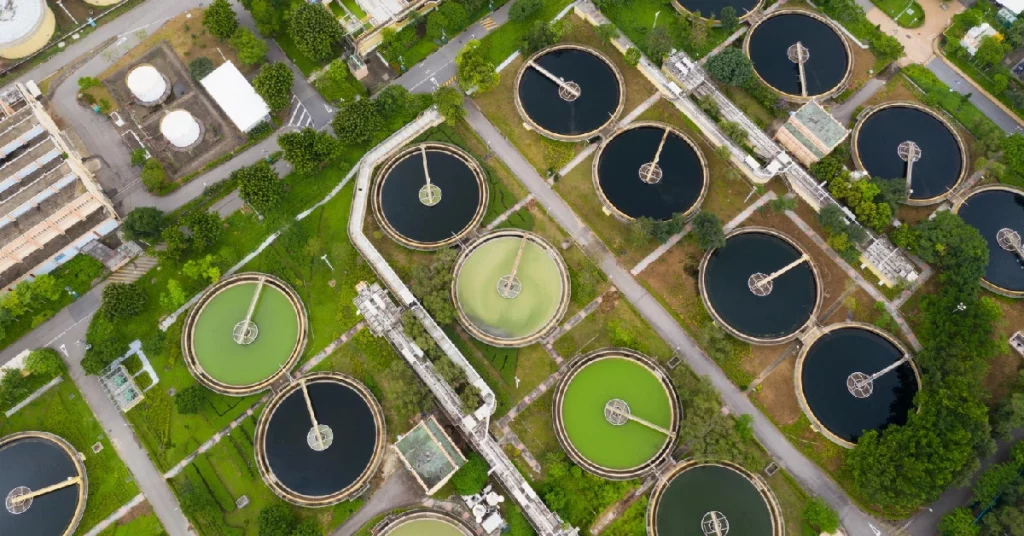
Efficient Wastewater Treatment Plants are essential to protect ecosystems, industries, and public health. As water demand increases globally, advanced Wastewater Treatment solutions ensure that contaminated water is safely treated, reused, or discharged without harming the environment.
Below is a complete guide to the five critical stages of modern treatment systems.
Table of Contents
ToggleStage 1: Preliminary Treatment – Removing Large Debris
This initial stage removes coarse materials that could damage equipment or block downstream processes.
Key processes include:
- Screening (removing plastics, rags, and debris)
- Grit chambers (removing sand and gravel)
- Oil and grease separation
This protects pumps, pipelines, and mechanical systems in wastewater treatment plants.
Stage 2: Primary Treatment – Sedimentation
In this stage, gravity is used to separate suspended solids.
What happens:
- Wastewater enters sedimentation tanks.
- Heavy solids settle as primary sludge.
- Floating oils and scum are removed.
This process eliminates around 50–60% of suspended solids and significantly reduces the organic load.
Stage 3: Secondary Treatment – Biological Treatment
This is the core stage of wastewater treatment in which microorganisms degrade organic pollutants.
Common systems include:
- Activated sludge process
- Trickling filters
- Membrane bioreactors (MBR)
Aeration tanks supply oxygen, allowing bacteria to break down dissolved organic matter. Secondary clarifiers then separate treated water from biological sludge.
This stage removes up to 90–95% of biodegradable contaminants.
Stage 4: Tertiary Treatment – Advanced Water for Purification
Tertiary treatment ensures water meets strict discharge or reuse standards.
Advanced technologies include:
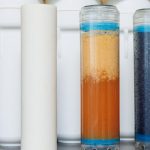
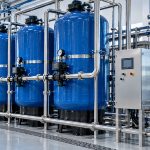
- Sand and multimedia filtration
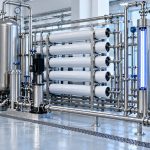
- Reverse osmosis
- UV disinfection
- Nutrient removal systems
This stage plays a crucial role in producing water suitable for industrial reuse, irrigation, or contributing to a safe drinking water supply after further polishing.
Stage 5: Sludge Treatment – Managing By-Products
Treatment plants generate sludge that must be processed safely.
Sludge treatment includes:
- Thickening
- Anaerobic digestion
- Dewatering
- Safe disposal or reuse
Proper sludge management reduces environmental impact and can even support energy recovery through biogas.
How Ion Exchange Supports Advanced Wastewater Treatment?
Ion Exchange is a global leader in water and environmental solutions, delivering state-of-the-art wastewater treatment plants designed to solve complex industrial challenges. With decades of expertise and innovation-led engineering, we provide customized, end-to-end solutions tailored to each facility’s operational needs.
Our integrated systems focus on wastewater recycling, source reduction, product recovery, and waste minimization. Leveraging energy-efficient membrane technologies, advanced oxidation processes, and evaporation processes, we help industries conserve water, recover valuable products, and achieve Zero Liquid Discharge (ZLD) objectives—while ensuring strong ROI and environmental compliance.
Every solution is backed by bench-scale studies, pilot trials, and detailed site assessments to ensure optimal technology selection and performance. We serve diverse sectors including power, fertilizers, chemicals, pharmaceuticals, food & beverage, textiles, pulp & paper, electronics, electroplating, and automotive.
Our Wastewater Treatment Range of Solutions
1. Wastewater Systems
Comprehensive primary, secondary, and tertiary treatment solutions tailored to effluent characteristics and discharge standards. Includes advanced clarifiers, anaerobic and aerobic systems, membrane bioreactors, packaged STPs, disinfection, odor control, oil & grease removal, and INDION® TADOX® advanced oxidation technology.
2. Water Recycling Solutions
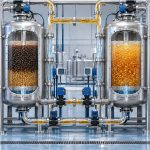
Continuous media filters, advanced oxidation systems, ultrafiltration, and reverse osmosis technologies that enable superior purification and high-quality water reuse.
3. Zero Liquid Discharge (ZLD)
Integrated membrane and evaporation systems are designed to maximize water recovery, reduce freshwater dependency, ensure regulatory compliance, and recover valuable resources for reuse.
Why These Five Stages Matter?
Together, these five stages ensure:
- Reduced pollution
- Improved water reuse
- Regulatory compliance
- Lower freshwater dependency
- Enhanced environmental protection
Modern Wastewater Treatment Plants are not just about disposal — they are about resource recovery, sustainability, and long-term water security.
Conclusion
Understanding the five stages of wastewater treatment helps industries and municipalities design systems that are efficient, compliant, and future-ready. With advanced technologies and integrated expertise from leaders like Ion Exchange, wastewater can be transformed into a valuable resource — contributing to environmental protection and sustainable development.