A cooling tower may run for months without trouble, then suddenly begin developing scale. Boiler blowdown increases, or a reverse osmosis plant starts requiring more frequent cleaning. Sometimes, the first clue is a rising TDS reading. Ion Exchange helps industries manage these water-quality challenges through treatment technologies designed around different process requirements. Understanding TDS in water is an important starting point because dissolved salts can influence equipment performance, maintenance costs and the quality of finished products.
But a high reading does not always mean the water is unsuitable. What matters is where the water is being used, which salts are present and how the system operates.
What Is TDS in Water?
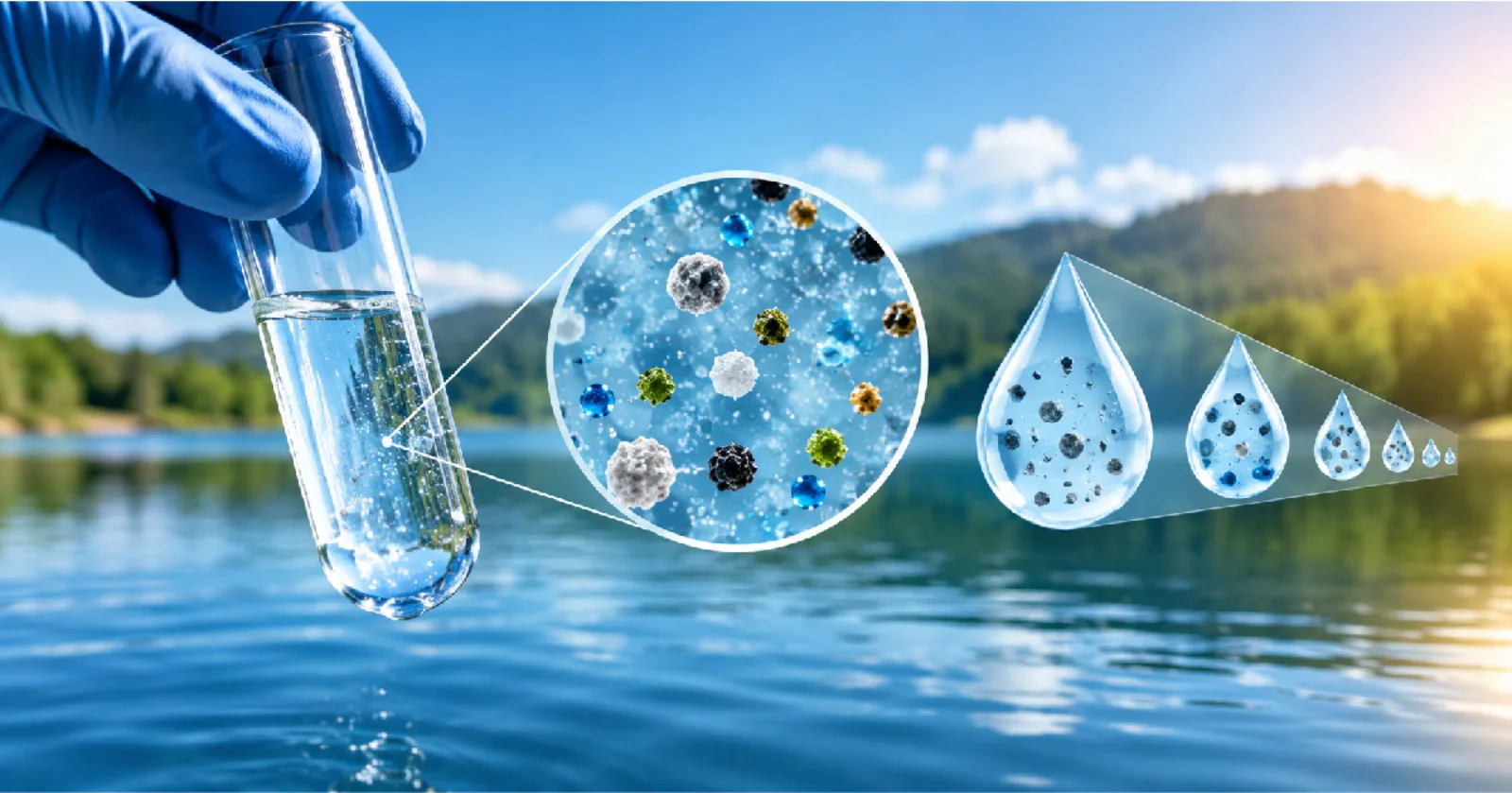
The total dissolved solids or TDS refers to dissolved matter in water referring mainly to mineral salts and ions such as sodium, calcium. The measurements are reported in milligram per liter (mg/L) or parts per million (ppm). These two measurements are equivalent in case of dilute water.
Higher TDS indicates more dissolved solids present in water but it does not indicate substances that cause it.
This distinction is very important in industry.
Two water samples may have 1,000 mg/L of dissolved solids. One sample may have considerable amount of calcium and bicarbonates which would cause scaling issue. The other may have more sodium.
Why TDS Matters in Industrial Operations
Industrial equipment reacts differently when dissolved salts are involved.
Too much dissolved solids in the boiler water results in foaming, carryover and more blow-off necessitating. Concentration problems caused by evaporation in cooling towers are handled by the presence of dissolved salts.
A high concentration of dissolved minerals will have a negative impact on rinsing and chemical processes or the end product.
In case the TDS of water is high, the necessity of treating water may be imposed.
It is not necessary to get the dissolved solids as low as possible always. Very good quality water requires sophisticated technologies and a lot of energy involvement.
It is better to focus on providing the right chemical quality of water depending on the task instead of treating it uniformly.
What Is the Acceptable TDS Level in Industrial Water?
There is no single acceptable TDS level in industrial water that applies across all industries.
Boiler pressure, cooling system design, equipment materials, operating temperatures and product requirements all influence the appropriate limit.
Boiler Feedwater
Boilers require careful control of dissolved impurities because evaporation concentrates salts in the remaining boiler water.
High-pressure boilers generally need much purer makeup water than low-pressure systems. In some applications, demineralisation and further polishing are necessary.
The permitted dissolved-solids concentration in boiler water should not be confused with the requirement for incoming feedwater.
Cooling Towers
Cooling towers can often tolerate higher dissolved-solids concentrations than high-pressure boiler systems.
However, evaporation continuously increases salt concentration. Operators must control cycles of concentration, blowdown, scaling and corrosion.
The acceptable TDS level depends on the makeup water chemistry, treatment programme and materials used in the cooling system.
Industrial Process Water
Textile processing, pharmaceutical manufacturing, electronics and food production may require very different water qualities.
For this reason, the acceptable TDS level in industrial water should always be established from equipment specifications, process requirements and applicable industry standards.
How to Measure TDS Accurately
A TDS meter is the most common portable tool used for rapid checks.
Most portable devices measure conductivity and convert the reading into a dissolved-solids concentration estimation.
This technique is convenient; however, conductivity relies on the ions present and the temperature of the water.
Thus, two samples having the same conductivity could have different dissolved-solids concentration.
To obtain more precise results laboratory testing is preferred during the plant design and troubleshooting.
Practical Testing Tips
Before using a meter, ensure it is calibrated according to the manufacturer's instructions.
Take representative samples from the correct location, use clean containers and account for temperature differences.
A TDS meter can help identify changing conditions, but unexpected readings should be checked against laboratory results and a broader chemical analysis.
If conductivity has increased suddenly, find out why before adjusting treatment chemicals or operating settings.
How to Reduce TDS in Industrial Water
The right method depends on the incoming water, the required output quality and the volume being treated.
For facilities asking how to reduce TDS in industrial water, the most common options involve membrane separation or ion removal.
Reverse Osmosis
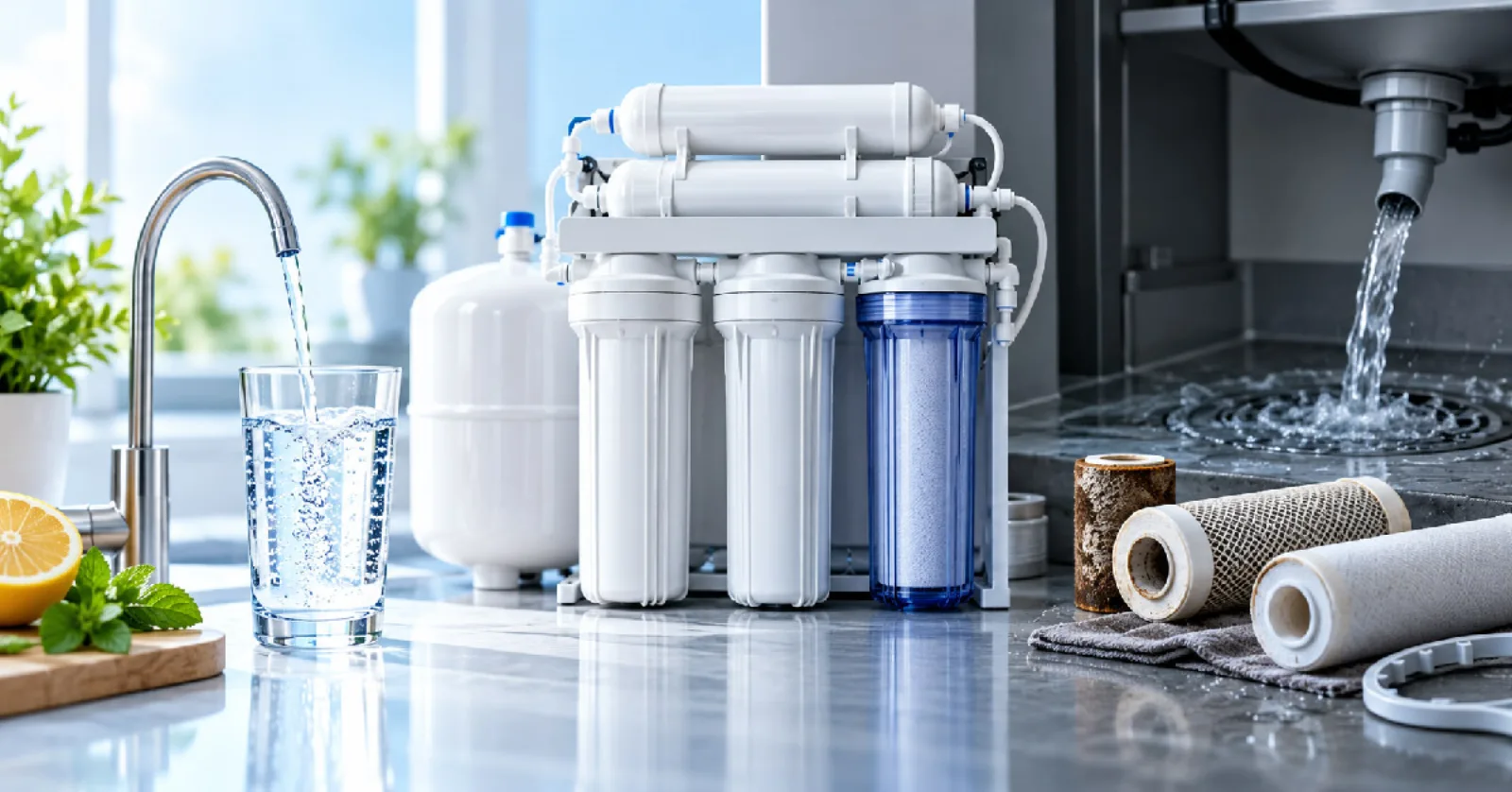
Reverse osmosis (RO) uses pressure-driven membranes to separate water from much of its dissolved salt content.
It is widely used for industrial water purification, boiler makeup preparation and wastewater recycling.
RO performance depends on feedwater chemistry, membrane selection, pretreatment and recovery settings.
Higher recovery can improve water utilisation, but excessive concentration may increase scaling risk.
Ion Exchange and Demineralisation
Ion exchange resins remove dissolved ions by exchanging them with other ions.
Demineralisation systems can produce high-purity water for applications requiring very low ionic content.
They are particularly relevant for boiler makeup and specialised industrial processes.
Unlike a conventional softener, which primarily replaces hardness ions, a properly designed demineralisation system removes both cations and anions.
Electrodeionisation
Electrodeionisation combines ion-exchange materials, membranes and an electrical field to remove residual ions.
It is often used after RO where consistently high-purity water is required.
For plants evaluating how to reduce TDS in industrial water, the treatment decision should consider product-water quality, energy use, chemical requirements and operating costs.
Why Softening Alone Will Not Reduce TDS
This is a prevalent misconception.
A water softener eliminates hardness caused by magnesium and calcium ions by substituting these ions with sodium.
It will take care of scaling related to hardness, but it will not remove salts as effectively as RO or demineralization does.
The total dissolved solids concentration would not change remarkably.
If the major concern of the facility is hardness, softening will do the job well. If the goal is to lower the TDS, another method may need to be employed.
How Ion Exchange Supports Industrial TDS Management
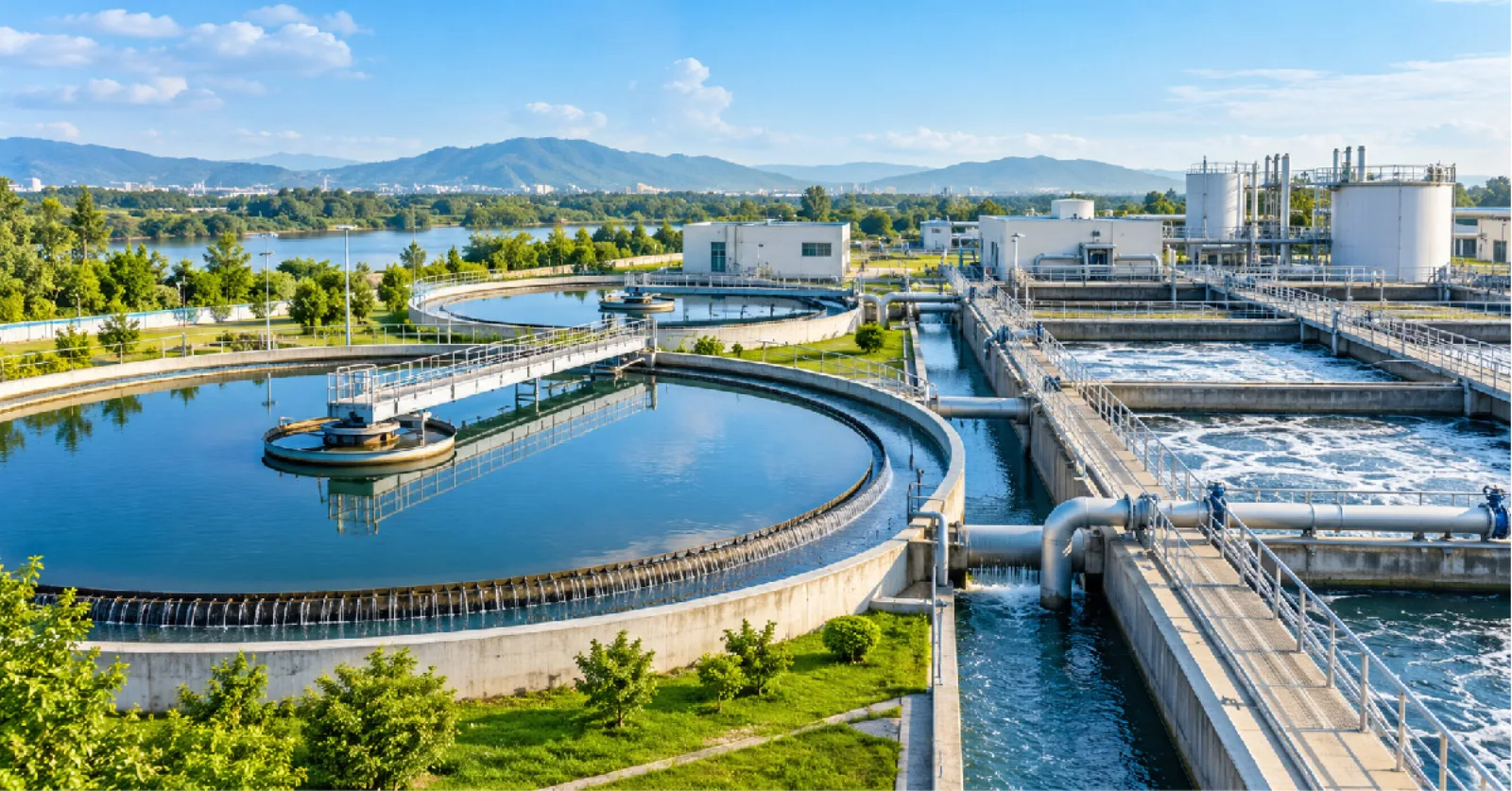
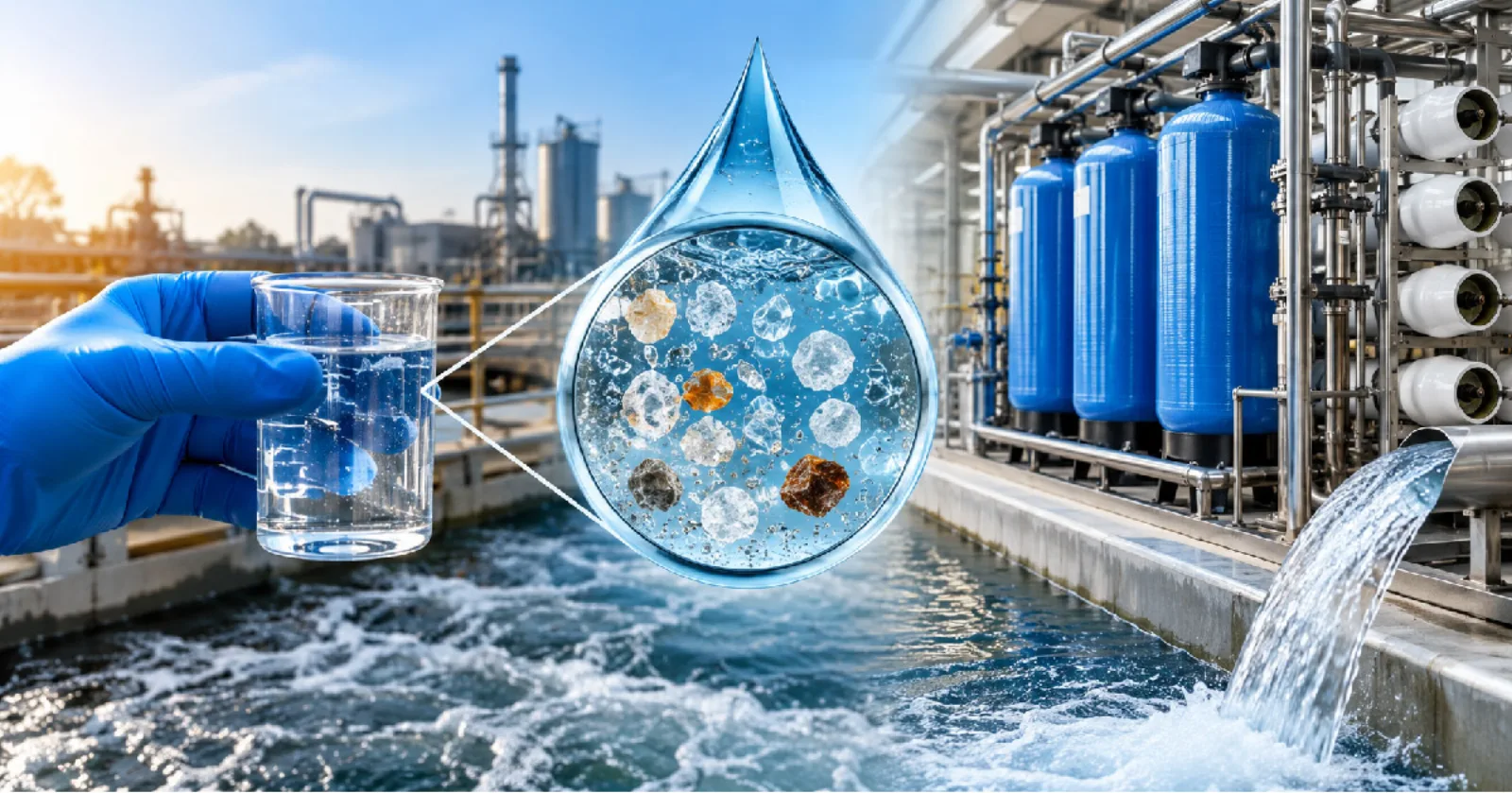
Ion Exchange presents industrial water purification technologies comprising reverse osmosis, ion-exchange and demineralization along with complete systems of high-purity water.
The correct solution will be determined by the chemistry of the source water and the required quality of the water supplied.
For instance, a production plant may require RO to prepare process water and some additional treatment to satisfy the needs of specific operations.
Another facility may use additional pretreatment and gain better control over dissolved salts getting into the cooling system or boiler.
Considering the total treatment process, Ion Exchange provides manufacturers with possibilities to evaluate water quality in relation to operational efficiency and long-term treatment solutions.
Manage Dissolved Solids With the Right Treatment
Managing TDS in water begins with knowing more than the number displayed on a meter.
The type of dissolved salts, intended application, equipment design and operating conditions all influence whether treatment is required.
Regular testing helps identify changes early. But choosing the right reduction technology requires a detailed understanding of the water chemistry.
If your facility is experiencing scaling, excessive blowdown, inconsistent process-water quality or rising treatment costs, Ion Exchange can help evaluate your water requirements and identify suitable treatment solutions.
Connect with Ion Exchange to discuss industrial water testing, purification and dissolved-solids management for your facility.
Frequently Asked Questions
1. What is a normal TDS level in industrial water?
There is no universal industrial limit. The appropriate concentration depends on the process, equipment requirements, operating pressure and water chemistry.
2. How does a TDS meter work?
A TDS meter usually measures electrical conductivity and converts it into an estimated dissolved-solids concentration. Laboratory testing provides a more reliable basis for detailed water-quality assessments.
3. Does boiling water reduce TDS?
No. Boiling removes water through evaporation but leaves most dissolved salts behind, increasing their concentration in the remaining liquid.
4. How can industries reduce high TDS?
Reverse osmosis, demineralisation and electrodeionisation are commonly used to remove dissolved ions. Technology selection depends on feedwater chemistry and the required treated-water quality.
5. Does high TDS always cause scaling?
No. Scaling depends on which dissolved salts are present, their concentrations, pH, temperature and operating conditions. Water with high dissolved-solids content does not necessarily have the same scaling tendency as another sample with an identical reading.