

Industrial water management is becoming increasingly complex. Industries need reliable water for production, utilities, and critical processes while also managing wastewater, water reuse, regulatory requirements, and operating costs.
Managing these requirements through disconnected systems can make operations more difficult to control. An integrated approach brings water treatment, wastewater treatment, recycling, reuse, process technologies, chemicals, and services together.
Ion Exchange provides total water management solutions that address different stages of the industrial water cycle. Its approach combines engineering expertise, technologies, products, and lifecycle services to help industries achieve reliable, efficient, and sustainable water outcomes.
Table of Contents
ToggleWhat Is Total Water Management?
Total water management means managing the complete water cycle rather than treating individual water requirements separately.
For an industrial facility, this can include:
- Raw water treatment
- Process water treatment
- Boiler and cooling water management
- Drinking and utility water
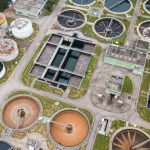
- Wastewater treatment
- Water recycling and reuse
- Advanced treatment and ZLD
- Operation and maintenance
An integrated approach helps industries identify opportunities to improve water efficiency, recover treated water, and reduce dependence on freshwater sources.
Why Do Industries Need Integrated Water Management Solutions?
Industrial facilities often operate multiple water and wastewater systems simultaneously.
A manufacturing facility, for example, may require treated water for production, cooling water for utilities, high-purity water for specific processes, and an ETP for wastewater generated during manufacturing.
Treating these systems independently can make it difficult to optimise the overall water balance.
Integrated industrial water management solutions allow organisations to look at:
Water intake → Treatment → Process use → Wastewater generation → Treatment → Recovery → Reuse
This approach can improve resource efficiency while helping industries manage compliance and operational requirements.
What Does an Integrated Water Management Solution Include?
A complete solution can combine several technologies and services depending on the facility’s requirements.
- Water Treatment
Raw water can be treated through processes such as:
- Clarification
- Filtration
- Ultrafiltration
- Reverse osmosis
- Demineralisation
- Ion exchange
The selected treatment depends on the source-water characteristics and required water quality.
- Industrial Process Water
Industries may require specific water quality for manufacturing, boilers, cooling systems, and other utilities.
Treatment systems can be configured to meet these individual process requirements.
- Wastewater Treatment
Industrial wastewater can contain organic matter, suspended solids, chemicals, oils, dissolved contaminants, and other pollutants.
Treatment may combine:
- Chemical treatment
- Biological treatment
- Membrane processes
- Filtration
- Disinfection
- Water Recycling and Reuse
Treated wastewater can be further processed and reused for suitable applications.
Depending on water quality requirements, reuse may include:
- Cooling towers
- Utilities
- Cleaning
- Gardening
- Flushing
- Industrial processes
- Zero Liquid Discharge
Where required, ZLD systems can be integrated to maximize water recovery and eliminate liquid wastewater discharge.
How Ion Exchange Support Total Water Management?
Ion Exchange brings multiple capabilities together rather than limiting its role to a single treatment technology.
Its portfolio covers:
- Water treatment
- Wastewater treatment
- Water recycling and reuse
- Process technologies
- Specialty chemicals
- Engineering
- Operation and lifecycle services
This integrated capability allows industries to address different water requirements through a coordinated approach.
Ion Exchange’s own solution portfolio describes its offering across water treatment, wastewater treatment, water recycling and reuse, process technologies, specialty chemicals, and engineering and lifecycle services.
Technology Across the Complete Water Cycle
A major advantage of working with an integrated industrial water treatment company is access to multiple treatment technologies.
- Membrane Technologies
RO, UF, NF, and MBR technologies can be used for applications ranging from drinking and process water treatment to wastewater polishing and water reuse.
- Ion Exchange Technologies
Ion exchange systems can be used for softening, demineralization, high-purity water production, and selective removal applications.
- Biological Treatment
MBBR, SBR, MBR, and other biological processes help treat biodegradable industrial and municipal wastewater.
- Chemical Treatment
Specialty chemicals support scale, corrosion, microbial, and wastewater treatment requirements across industrial water systems.
- Advanced Water Recovery
Membrane treatment, evaporation, and ZLD technologies can be integrated where higher water recovery is required.
Why Global Industries Trust Ion Exchange?
1. Experience Across Water and Wastewater Applications
Ion Exchange has developed capabilities across industrial, municipal, commercial, and institutional water management.
Its solutions address different stages of the water cycle rather than focusing on a single application.
2. Engineering, Products and Services Under One Roof
Total water management requires coordination between treatment technology, equipment, chemicals, automation, and plant operations.
Ion Exchange combines these capabilities with engineering and lifecycle services, enabling integrated project execution and ongoing support.
3. Experience With Complex Industrial Water Systems
Ion Exchange has operated and maintained more than 2,000 water systems, cooling tower systems, and other utilities for industrial customers, according to its documented service experience. Its service infrastructure has also included more than 1,200 trained service and plant-management personnel.
This operational experience is particularly relevant when industries need support beyond plant installation.
4. Lifecycle Operation and Maintenance
Water treatment performance depends on how effectively systems are operated and maintained after commissioning.
Ion Exchange provides lifecycle services including:
- Operation and maintenance
- AMC services
- Plant monitoring
- Technical support
- Process optimisation
Its documented CPCL project included operation of sewage recovery, zero-discharge, reject-handling, and pilot facilities, with the combined recycling facilities producing approximately 14 MLD of recycled water.
5. Focus on Water Recycling and Sustainability
Water recycling and reuse are important components of sustainable water management.
Ion Exchange’s documented projects include integrated water and wastewater systems designed to improve water reuse, reduce freshwater dependency, and support compliance.
For example, a steel manufacturing project included a 2 × 600 m³/h water treatment system using UF, RO membranes, and a mixed-bed system to produce high-quality purified water while improving water reuse and reducing freshwater dependency.
Applications Across Industries
- Power
Power plants require large volumes of water for cooling, steam generation, and other utilities. Integrated treatment and recycling systems can help improve water efficiency.
- Pharmaceuticals
Pharmaceutical manufacturing requires controlled water quality for production, cleaning, and critical applications. High-purity water treatment can be integrated with wastewater management.
- Food & Beverage
Food and beverage facilities require process water while also managing wastewater containing organic loads, oils, and suspended solids.
- Oil & Gas and Refineries
Refineries and petrochemical facilities operate multiple water systems and generate complex wastewater streams, making integrated treatment and recycling particularly important.
- Automotive
Automotive facilities can require raw water treatment, process water, wastewater treatment, recycling, and utility-water management across different production stages.
- Manufacturing
Manufacturing facilities can combine water treatment, cooling water management, ETPs, recycling, and process-specific purification within one overall water strategy.
Benefits of Total Water Management Solutions
An integrated approach can help industries achieve:
- Better water utilisation
- Reduced freshwater dependency
- Higher water recovery
- Improved wastewater management
- More consistent treatment performance
- Better regulatory control
- Reduced operational risks
- Greater sustainability
The actual benefits depend on the facility’s water balance, treatment requirements, existing infrastructure, and reuse opportunities.
How to Choose an Industrial Water Management Partner?
When selecting an integrated water management solutions provider, industries should evaluate the complete capability rather than individual equipment.
Look for a partner with experience across water and wastewater treatment solutions, a broad technology portfolio, application-specific engineering, proven industrial installations, and strong lifecycle support.
It is also important to evaluate whether the provider can manage the complete project—from water analysis and process design to engineering, commissioning, operation, maintenance, and optimization.
A partner with these capabilities can help industries develop a coordinated water strategy instead of managing multiple disconnected treatment systems.
Ion Exchange Total Water Management Solutions
Ion Exchange provides integrated solutions covering the complete industrial water cycle.
Its capabilities include:
- Water treatment systems
- Wastewater treatment plants
- Water recycling and reuse systems
- Membrane technologies
- Ion exchange systems
- Specialty chemicals
- Process technologies
- Engineering and project execution
- Operation and maintenance services
Its total water management approach combines industrial water treatment, wastewater management, recycling, reuse, and lifecycle services according to individual industrial requirements.
This enables customers to work with one experienced partner across multiple water-management requirements while developing more efficient and sustainable water systems.
The Future of Sustainable Water Management
Industries are increasingly moving from standalone treatment plants towards integrated water management.
Digital monitoring, automation, advanced membranes, water recycling, and improved process control are making it possible to manage water more efficiently across the complete industrial cycle.
The objective is no longer simply to treat water and wastewater separately. It is to understand how water moves through the facility, identify recovery opportunities, and optimise every stage from intake to reuse.
This makes sustainable water management solutions an increasingly important part of long-term industrial planning.
Conclusion
Total water management brings water treatment, wastewater treatment, recycling, reuse, technology, chemicals, and services together into one coordinated strategy.
Ion Exchange combines these capabilities with engineering expertise and lifecycle support to help industries manage complex water requirements more efficiently.
Connect with Ion Exchange experts for integrated water management solutions designed around your industry’s water, wastewater, recycling, and operational requirements.