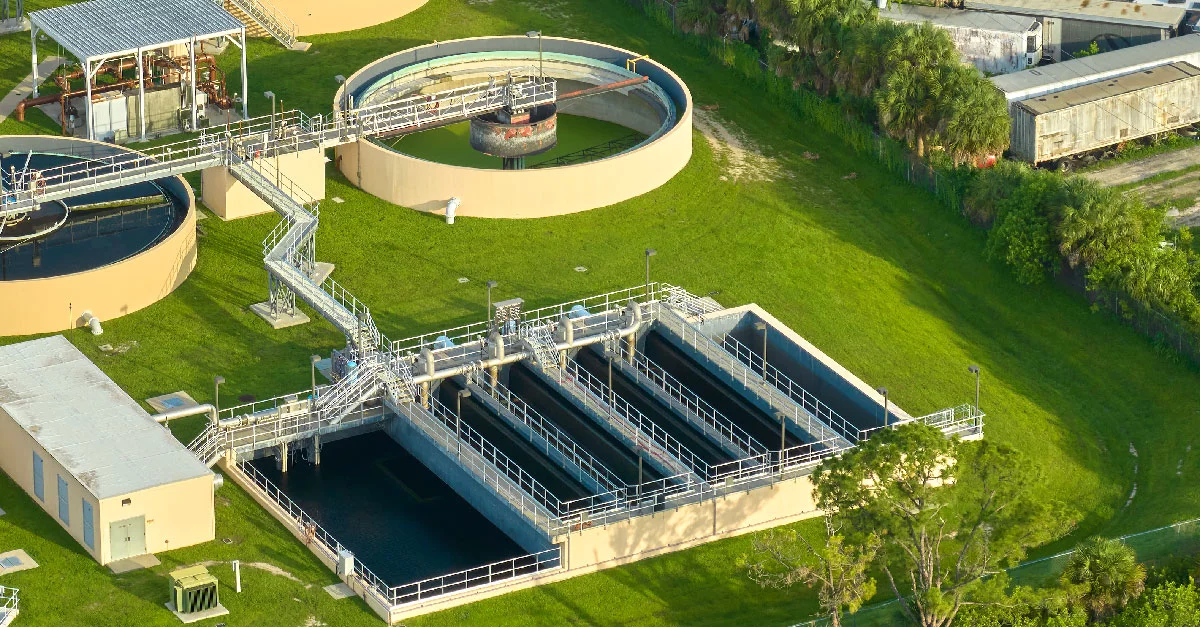
Municipal water treatment is vital to providing clean and safe water for communities across the USA. With increasing demand, stricter regulations, and environmental challenges, municipal water treatment plants must adopt advanced technologies to ensure water quality and sustainability. These innovations enhance the efficiency and reliability of the municipal water treatment process, helping meet the needs of growing populations while protecting natural resources.
Understanding Municipal Water Treatment
Municipal water treatment refers to the systematic process of purifying water from natural sources, such as rivers, lakes, or aquifers, for public use. This involves removing contaminants, pathogens, and impurities to meet health and safety standards. The municipal treatment of water plays a crucial role in preventing waterborne diseases, supporting economic development, and improving overall quality of life.
The Municipal Water Treatment Process
The municipal water treatment process consists of several stages, each designed to address specific impurities. While the exact steps can vary depending on local water quality and treatment goals, the following components are typically involved:
1. Coagulation and Flocculation
Chemicals like alum are added to the water to bind particles and form larger clumps, or flocs, making it easier to remove impurities during subsequent stages.
2. Sedimentation
The water is then allowed to sit in large tanks where the heavier flocs settle to the bottom, separating them from the cleaner water.
3. Filtration
After sedimentation, the water passes through filters made of sand, gravel, or other materials to remove smaller particles and microorganisms.
4. Disinfection
To eliminate any remaining pathogens, disinfectants such as chlorine or UV light are applied. This ensures the water is safe for consumption and distribution.
5. Distribution
The treated water is stored in reservoirs and distributed through an extensive network of pipes to homes, businesses, and public facilities.
Technologies Shaping Municipal Water Treatment in the USA
The adoption of innovative technologies is transforming the municipal treatment of water, making it more sustainable and cost-effective. Here are some key advancements driving the industry:
1. Smart Water Management Systems
Integrating IoT and AI technologies enables real-time monitoring of water quality and system performance. Sensors installed throughout the municipal water treatment plant track parameters such as pH, turbidity, and microbial presence, allowing for quicker responses to potential issues.
2. Advanced Filtration Methods
Techniques like reverse osmosis (RO), nanofiltration, and ultrafiltration are increasingly used to remove even the smallest contaminants. These technologies are particularly useful in areas where water sources are heavily polluted or contain high levels of dissolved solids.
3. Desalination
In regions facing freshwater scarcity, desalination has emerged as a critical solution. By removing salts and minerals from seawater or brackish water, municipal water treatment plants can supply potable water to arid and coastal areas.
4. Energy-Efficient Processes
Modern treatment systems incorporate energy-efficient components, such as high-performance pumps and renewable energy sources like solar power, to reduce the environmental footprint of municipal water treatment processes.
5. Biological Treatment Innovations
Biofiltration and other biological methods are gaining traction as eco-friendly ways to remove organic pollutants. These processes use naturally occurring microorganisms to break down contaminants, reducing the need for chemical treatments.
Benefits of Technological Advancements in Municipal Water Treatment
- Improved Water Quality: Advanced technologies ensure that treated water meets or exceeds safety standards, safeguarding public health.
- Cost Efficiency: Automation and energy-efficient systems lower operational costs, enabling municipalities to allocate resources more effectively.
- Environmental Conservation: Sustainable practices minimize waste and reduce energy consumption, contributing to long-term ecological health.
- Resilience: Enhanced systems are better equipped to handle challenges such as climate change, population growth, and emerging pollutants.
Ion Exchange: Pioneering New Frontiers in Driving Municipal Water Treatment Systems
Amid ongoing water quality challenges, companies like Ion Exchange are crucial in providing effective solutions to tackle these issues. We offer a range of water treatment solutions to ensure safe drinking water for households and industries alike. Our focus is not just on removing contaminants but also on ensuring that water retains its essential minerals.
Ion Exchange, the pioneer of potable water treatment solutions in the USA, offers a comprehensive range of products under its flagship brand ZeroB. These solutions provide advanced purification technologies, including reverse osmosis, ultrafiltration membranes, electrochlorination, ozonation, and resins, to purify surface and groundwater, making it safe for drinking. The range includes:
- Point-of-Use Purifiers for Homes (ZeroB)
- Water Treatment Systems for Institutions
- Rural & Community Water Treatment Systems
- Containerized Water Treatment Systems
Catering to various needs, ensuring safe and clean drinking water across diverse environments.
Conclusion
Municipal water treatment is a cornerstone of public health and sustainable development in the USA. By leveraging cutting-edge technologies, municipalities can enhance the efficiency of their water treatment processes, reduce environmental impact, and deliver safe water to communities.
Connect with Ion Exchange experts today to learn more about advanced municipal water treatment solutions.