
Instruments & automation · Sensors
ORP sensors
- INDION F142
- INDION F450
- INDION T3-R-F-5-L,S
- INDION D 450 ED
- INDION D 142 E
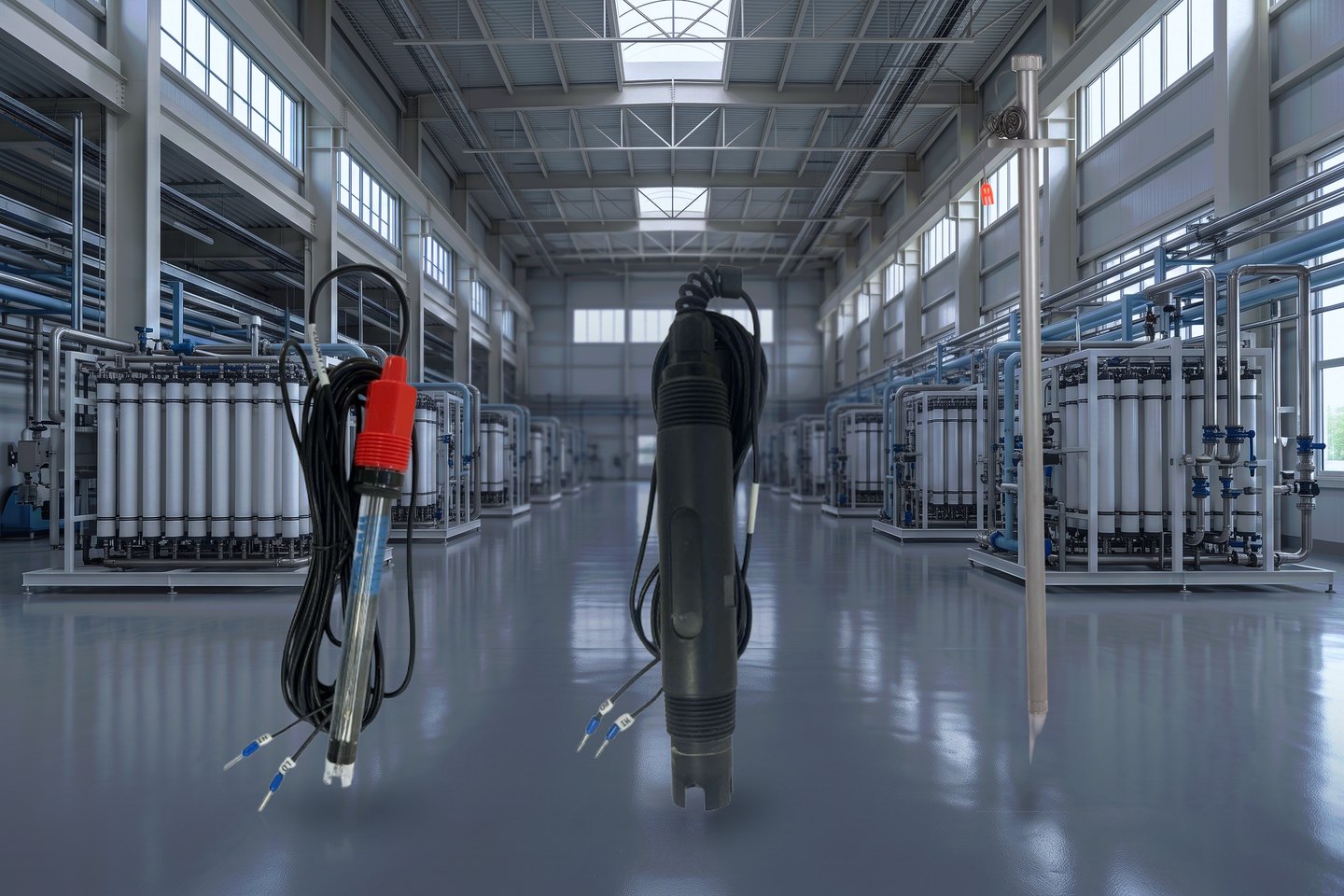
Product range
| Model | Types | Range | Leaflet |
|---|---|---|---|
| INDION F142 | Flow | -1000mV to +1000mV | Download leaflet |
| INDION F450 | Flow | -1000mV to +1000mV | Download leaflet |
| INDION T3-R-F-5-L,S | Flow | -2000mV to +2000mV | Download leaflet |
| INDION D 450 ED | Dip | -1000mV to +1000mV | Download leaflet |
| INDION D 142 E | Dip | -1000mV to +1000mV | Download leaflet |
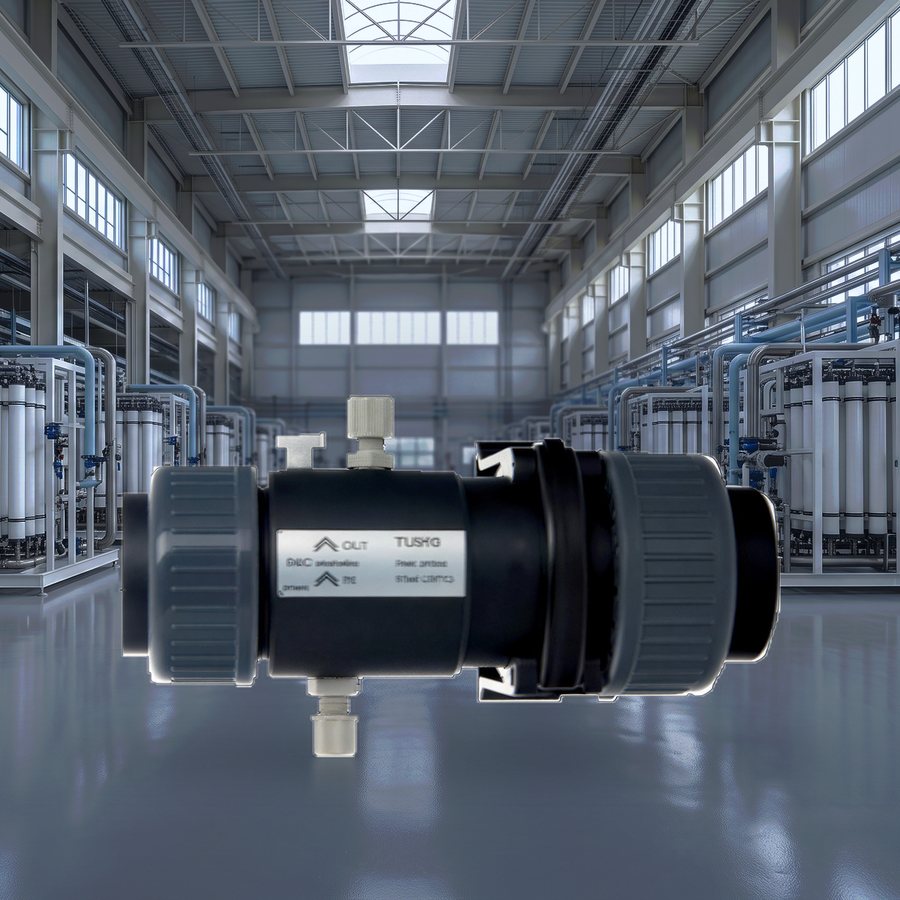
INDION F142
The new INDION F142 ORP sensor is used to serve broad range of applications in drinking water, ground water, food etc., With ORP polycarbonate (plastic) body, gel, double junction, threaded cap red, 5 mtrs cable and pp flow assy. for raw water, treated water & gen. effluent.
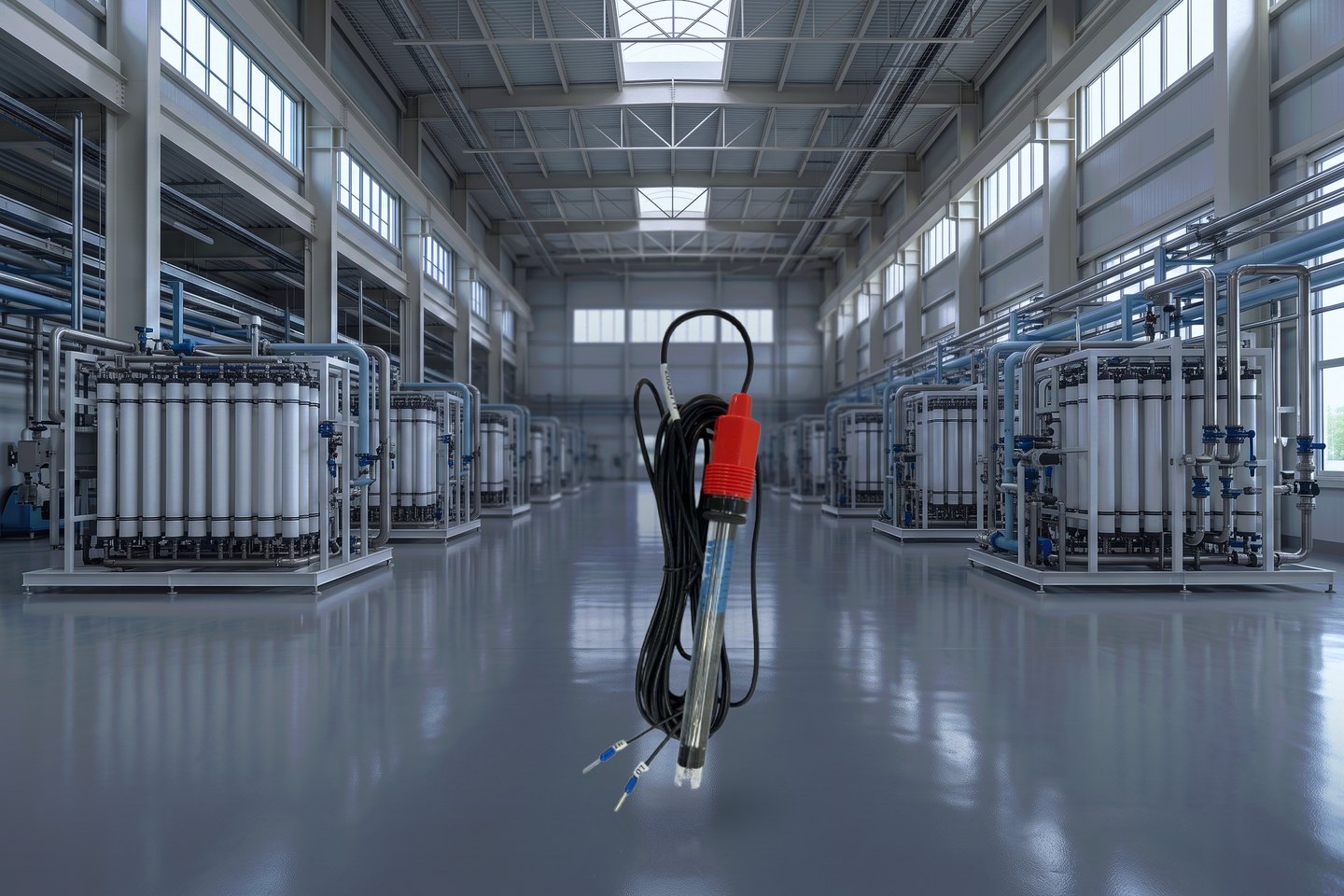
- Sensor connection
Black wire for ORP sensing
Shield wire for ORP reference
INDION F450
The new INDION F450 ORP Flat Sensor is used to serve broad range of applications in drinking water, ground water, food etc., Sensor ORP Polycarbonate (Plastic) Body, Gel, Double Junction, Threaded cap Red, 5 Mtrs cable and pp flow assy with pp Flow Assly. for viscous liquid / Chrome Effluents.
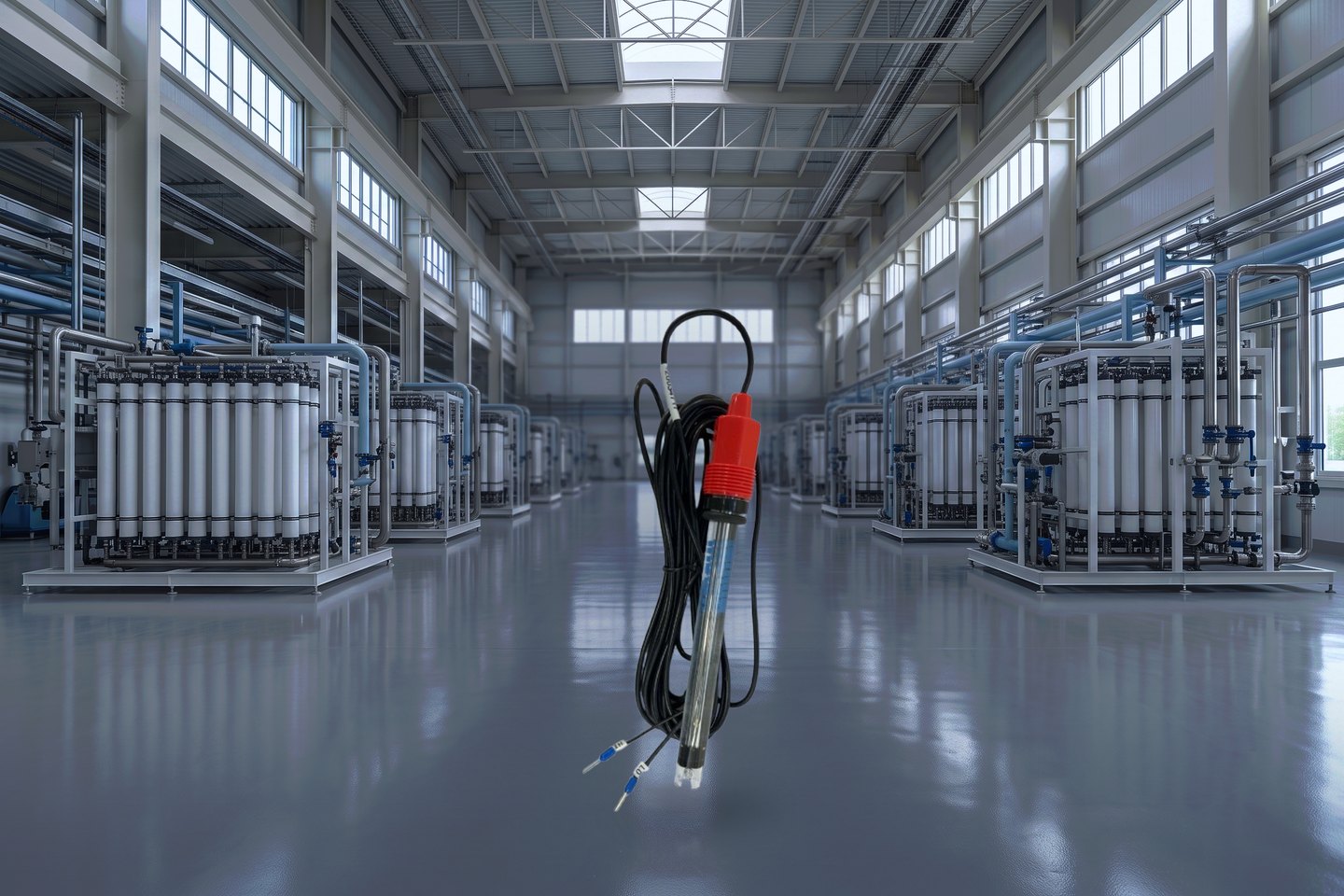
- Sensor connection
Black wire for ORP sensing
Shield wire for ORP reference
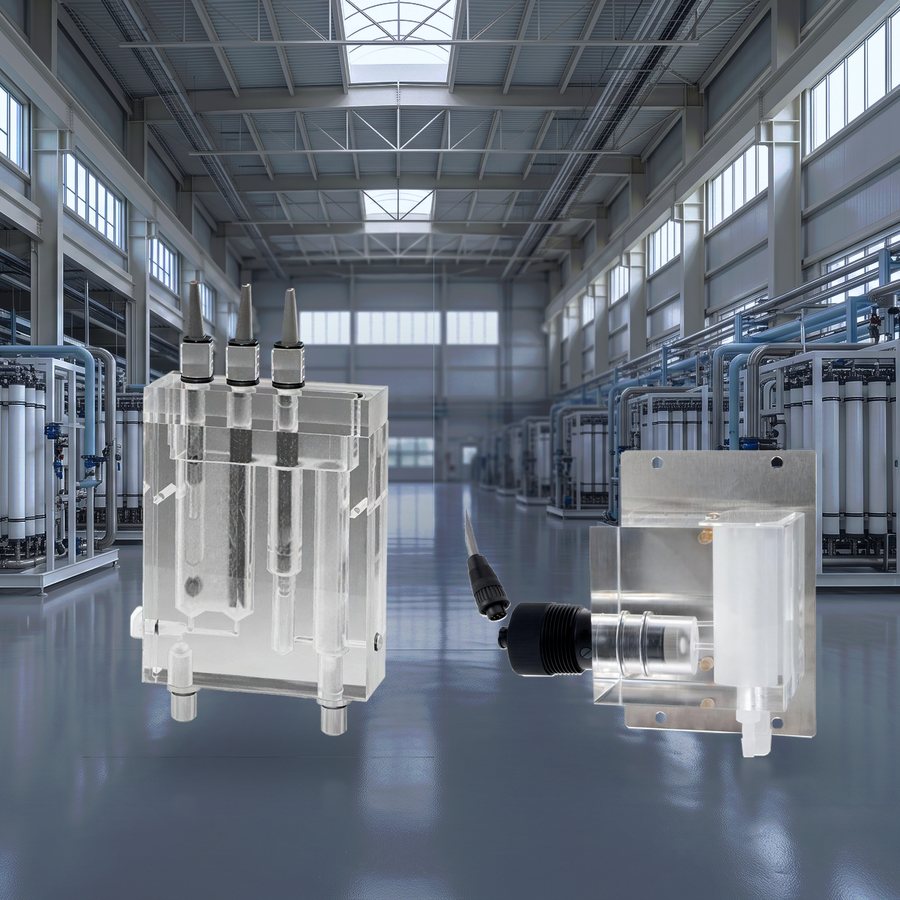
INDION T3-R-F-5-L,S
The new INDION T3-R-F-5-L,S Flat ORP sensor is used to serve broad range of applications in drinking water, ground water, food etc., Sensor Ryton Body Double junction Flat ORP sensor, 5 Mtrs cable with PVC flow assly. For Raw/ Treated Water & Gen. Effluent, viscous liquid / Effluents application.
- Sensor connection
Black wire for ORP sensing
Shield wire for ORP reference
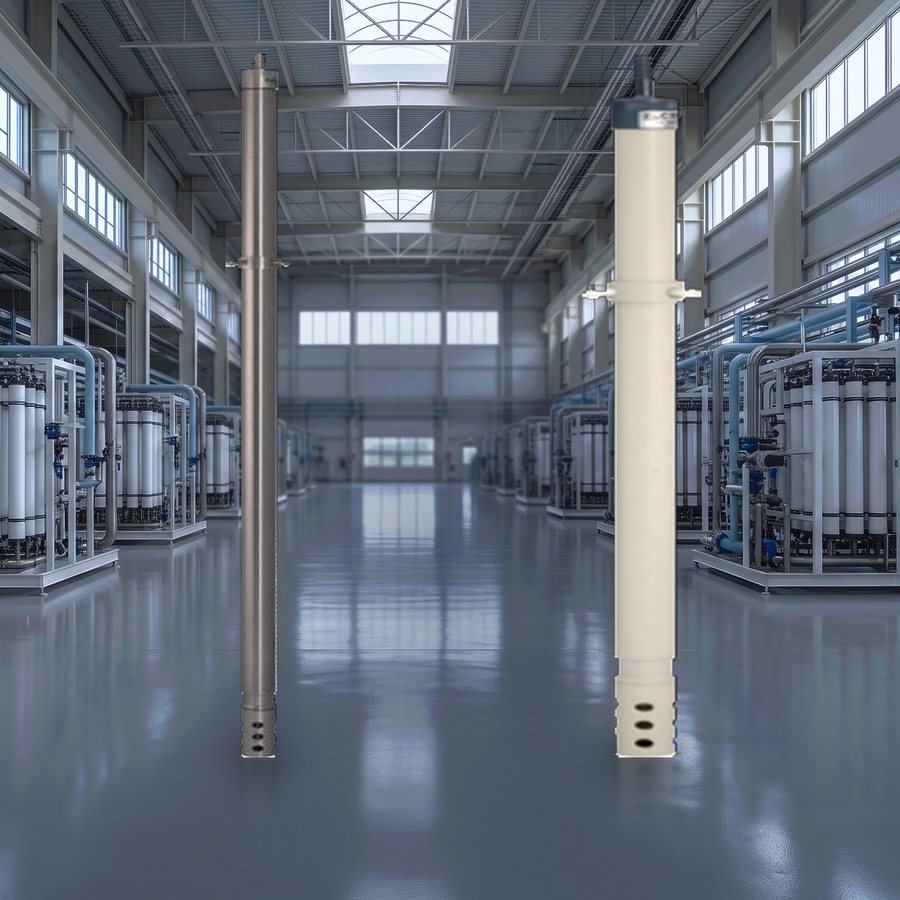
INDION D 450 ED
The new INDION D450ED ORP Sensor is used to satisfy a broad range of applications like drinking water, ground water, food, etc.
- Membrane glass
A wide selection of different ORP-sensitive membranes ensures the best possible measurement performance, based on the application for low ORP/HF applications/Full Range/High Alkaline etc.
- Connections
ORP signal (2-wire) or BNC in wiring harness.
- Reference system
The sensor is provided with a SREF+ or Ag/AgCl reference system.
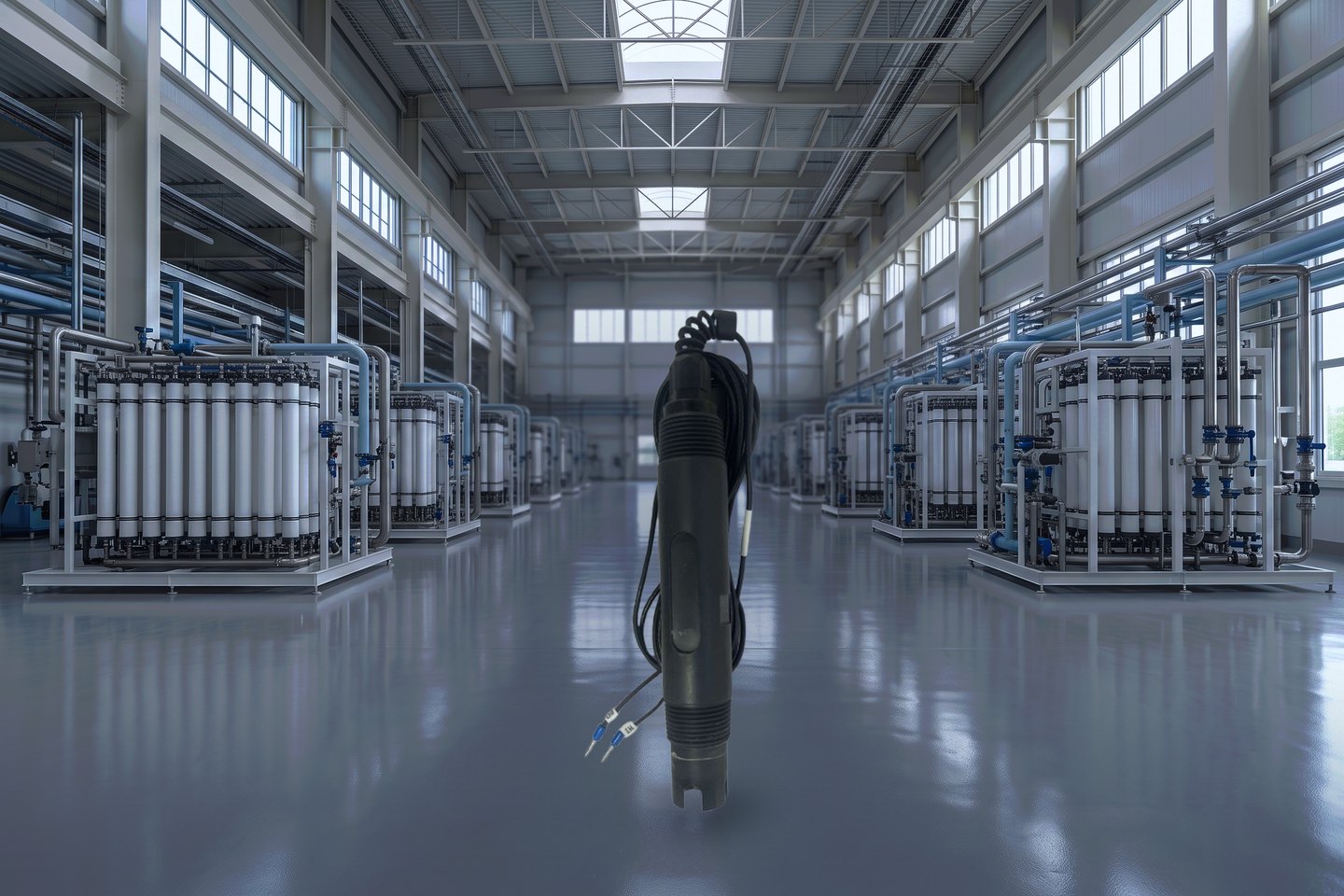
INDION D 142 E
The new INDION D142E ORP Sensor is used to satisfy a broad range of applications like drinking water, ground water, food, etc.
- Membrane glass
A wide selection of different ORP-sensitive membranes ensures the best possible measurement performance, based on the application for low ORP/HF applications/Full Range/High Alkaline etc.
- Sensor connections
ORP signal (2-wire) Or BNC in wiring harness.
- Reference system
The sensor is provided with a SREF+ or Ag/AgCl reference system.
Maintenance of pH / ORP sensor guide lines
- Direction for use for pH / Redox (ORP) combination electrodes (KCI / gel filled)
1. Remove the bottle / protective cap at the bottom of the electrode.
2. Shake the electrode gently to ensure that the internal buffer solution covers the whole pH Bulb and no air bubbles are entrapped.
3. pH / Redox (ORP) Combination Electrodes should be filled with the appropriate electrolyte to a height of about 1cm below the filling port.
4. Wash off any salt film present on the exterior of pH/ Redox (ORP) Combination Electrode, using distilled water.
5. To ensure pressure equalisation, the stopper of the filling port should be removed or perforated with a pin.
6. Soak the electrode in 7pH Buffer or saturated KCI for some hours (preferably overnight) before use.
7. Electrode which have developed problem of slow response due to drying out of the membrane or use under extreme conditions, may be re-activated by soaking in 0.1 N Hydrochloric Acid for 8 to 10 hours. Electrode, which fails to respond to the above treatment, can be further activated by dipping them to 2% Hydrofluoric Acid for 5-10 seconds and immediately washing with distilled water. This drastic treatment should however be applied only as last resort as it reduces the life of the electrode.
8. After conditioning the electrode as in (7) above, if it is not to be used it should be kept in 7pH Buffer or saturated KCI. To prevent the entry of measuring media through the diaphragm of the reference junction of pH Combination Electrode, the stopper of the filling opening/ port should be removed or perforated with a pin.
- 9. (I) Calibration of pH combination electrode (KCI/Gel filled)
a.) The pH Meter should have a capability of a minimum of Single point calibration for correcting asymmetry potential at 7pH.
b.) The calibration of a pH measuring system is described in the Instruction Manual of the meter. For convenience it is repeated below:
The Electrode should be immersed in a buffer solution of known pH say 7pH. The display of the pH meter is brought to the value 7 by means of the asymmetry potential adjustment pot. The electrode is then removed from the buffer solution and washed with distilled water and immersed in another known buffer say 4pH. The display of the pH meter is brought to the value 4 by means of slope adjustment pot. The display of the measuring instruments should now indicate this value and if it does so, the electrode is functioning correctly. The effect of temperature on the pH value of the buffer solution must be considered. The preceding calibration procedure should be done initially and repeated at intervals determined by the desired measuring accuracy and the conditions of use of the electrode system.
- 9. (II) Calibration of Redox (ORP) combination electrode (KCI / Gel filled)
a.) The Redox (ORP) Meter should have a capability of a minimum of Single point calibration for correcting Offset
b) Please follow instructions at Sr. No. 1, 3, 4 & 5 only and not others from “Direction for use”.
c) Prepare a Redox (ORP) Buffer solution for 475 mV & immerse the Redox (ORP) Electrode in the same. After putting the meter in mV mode the display of the meter should be brought to 475 mV by means of the asymmetry potential adjustment pot. The electrode is then removed from the buffer solution and washed with distilled water and then immersed in another known buffer of 475 mV. If the reading now displayed is 475 +25 mV then electrode is functioning correctly & ready for use.
- Important for pH / Redox (ORP) combination electrodes (KCI / Gel filled)
10. a) Always keep the electrodes dipped in saturated KCI solution, when not in use.
b) Since the shelf life of the Redox (ORP) buffer is for correct results it is strongly recommended to use freshly prepared buffers for calibration.
c) Electrode should be kept in its box as per “arrow mark” when not in use, which means the bottle/ protective cap side should be facing the ground in its packed condition
- Guide lines for replacement
1. pH / Redox (ORP) Electrodes are very fragile in nature and are tested before dispatch from the factory to ensure that they function correctly. Any electrode that fails to work for the first time when supplied on FORD prices and when used in accordance with the instructions provided in the “Direction for use” would be repaired / replaced at company’s sole discretion. Failure of electrodes if any, should be informed within 30 days from the date of invoice, else no claim whatsoever will be entertained.
2. In any case, kindly do not take any step not mentioned in our “Direction for use” (Moreover, do not remove the cap on top of the electrode which will make the electrode ineffective).
3. It may kindly be noted that in case the above Guide Lines for Replacement is not followed, free replacement will not be considered even if complaints are received within the period.
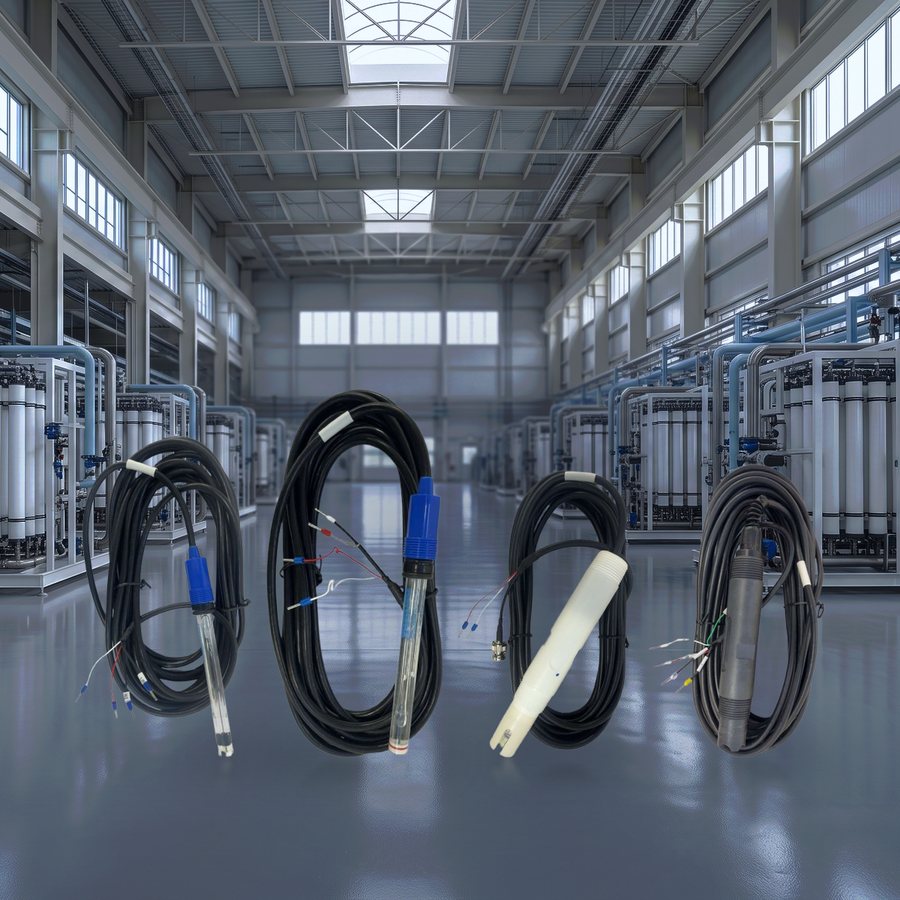
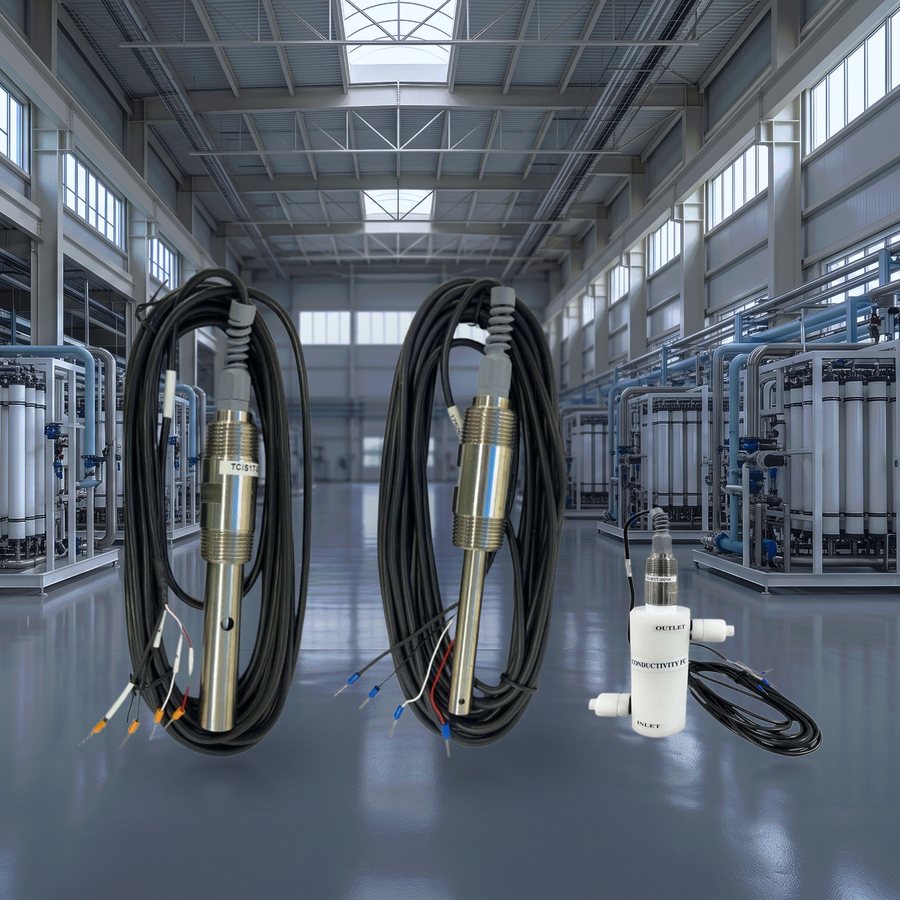
Connect with our water treatment experts
Have a project or technical requirement to discuss? Connect with our team for expert guidance and tailored water treatment solutions.
Phone hours: 9:00 AM to 5:30 PM IST, Monday to Friday and select Saturdays.