

Industries across the world are facing increasing pressure to reduce water consumption, control wastewater discharge, and adopt sustainable practices. As freshwater resources become limited, Water Recycling has become an essential solution for maintaining operational efficiency while protecting the environment. Modern Water Recycling Systems allow industries to treat and reuse wastewater, reducing dependence on natural water sources and improving overall water management.
By implementing advanced water recycling units, industries can reuse treated water for multiple applications, supporting sustainability while meeting environmental regulations.
Table of Contents
ToggleWhy is Water Recycling Important in Industries?
Industrial processes consume large volumes of water for cooling, washing, processing, and cleaning. Without proper recycling, most of this water becomes wastewater that must be discharged or treated.
Water recycling helps industries:
- Reduce freshwater consumption
- Lower wastewater discharge
- Meet environmental regulations
- Improve operational efficiency
- Support sustainable production
The process of treating wastewater and reusing it within the plant helps industries maintain reliable operations even in water-scarce regions.
What Is a Water Recycling System?
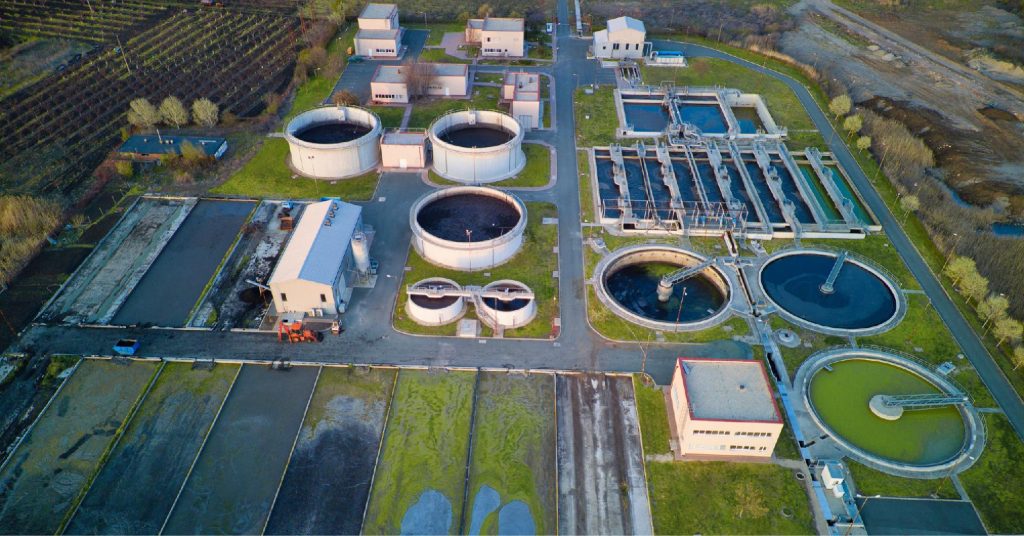
A Water Recycling System is a treatment setup designed to clean wastewater so it can be reused safely in industrial processes.
These systems typically include:
- Primary treatment for removing solids
- Biological water treatment for organic removal
- Membrane filtration for fine purification
- Final polishing for reuse quality
Modern water recycling units are designed to operate continuously and provide consistent treated water quality.
Process of Treating Wastewater for Recycling
The process of treating wastewater in industries usually follows multiple stages to remove contaminants effectively.
- Primary Treatment
Primary treatment removes large particles, suspended solids, and debris from wastewater using screening, sedimentation, and clarification.
This step reduces the load on further treatment stages.
- Biological Water Treatment
Biological water treatment uses microorganisms to break down organic pollutants present in wastewater.
Common biological processes include:
- Activated sludge systems
- Aeration tanks
- Sequencing batch reactors
- Biofilm reactors
These systems reduce BOD and COD levels and improve overall water quality.
- Membrane Bioreactors (MBR)
Membrane Bioreactors (MBRs) combine biological treatment with membrane filtration to produce high-quality treated water.
Advantages of MBR systems include:
- Excellent removal of suspended solids
- Compact plant size
- High-quality effluent
- Suitable for water recycling applications
MBR technology is widely used in advanced Water Recycling Systems where high-purity water is required.
- Advanced Filtration and Polishing
After biological treatment, water passes through advanced filtration systems such as:
- Sand filters
- Ultrafiltration
- Reverse osmosis
- Activated carbon filters
These processes remove fine impurities, dissolved salts, and remaining contaminants before reuse.
Applications of Water Recycling in Industries
Recycled water can be reused in many industrial applications, including:
- Cooling tower make-up water
- Boiler feed water (after treatment)
- Washing and cleaning operations
- Process water reuse
- Utility systems
Using Water Recycling Systems helps industries reduce operating costs while maintaining production efficiency.
Benefits of Water Recycling Systems
Implementing modern water recycling units offers several advantages:
- Reduced freshwater consumption
- Lower wastewater discharge
- Compliance with environmental regulations
- Improved process efficiency
- Reduced operating costs
- Sustainable water management
These benefits make water recycling an essential part of modern industrial operations.
Ion Exchange Water Recycling Solutions
Ion Exchange provides advanced Water Recycling Systems designed for industrial and municipal applications. Their solutions combine biological treatment, membrane technologies, and advanced filtration to ensure reliable wastewater treatment and reuse.
Their offerings include:
- INDION TADOX Process
The INDION TADOX process represents a significant advancement in the treatment of complex industrial and municipal wastewater. This innovative solution offers flexibility by allowing integration at the secondary treatment stage, either before membrane processes or during the pre-biological stage. Employing novel approaches, INDION TADOX minimizes chemical usage, reduces sludge production, prevents secondary pollution, and decreases the load on downstream tertiary treatments. As a retrofittable and integrated solution, it ensures reduced treatment times and delivers highly resource and energy-efficient processing, leading to 30-40% reductions in both CAPEX and OPEX. Key advantages include high efficiency, excellent treated water quality, a clean and green approach, and a modular, integrated design.
- Advanced Oxidation Systems
Advanced Oxidation Systems (AOPs) encompass a range of chemical treatment processes designed to remove organic and, at times, inorganic materials from water and wastewater through oxidation reactions with hydroxyl radicals (OH). These processes often utilize ozone (O3), hydrogen peroxide (H2O2), and UV light. A specific type of AOP is in situ chemical oxidation. The advantages of AOPs include their ability to effectively eliminate organic compounds in the aqueous phase rather than transferring pollutants to another phase. Additionally, some AOP designs can achieve disinfection, making them a comprehensive solution for various water quality issues. Since the complete reduction product of hydroxyl radicals is water (H2O), AOPs theoretically do not introduce new hazardous substances into the water.
- Membrane Systems
HYDRAMEM, developed by Ion Exchange, showcases the best in modern membrane technology. With superior quality and decades of manufacturing expertise, HYDRAMEM is the preferred choice for industrial, institutional, and domestic applications. Our advanced membrane range includes Reverse Osmosis (RO), Ultra Filtration (UF), and Nano Filtration (NF), ensuring high performance and reliability across various uses.
Conclusion
Water Recycling Systems play a critical role in modern industries by enabling the safe reuse of treated wastewater. Through the proper process of treating wastewater, including biological treatment, membrane filtration, and advanced polishing, industries can reduce water consumption, prevent pollution, and support sustainable operations.
As water demand continues to grow, adopting advanced water recycling units and technologies such as Membrane Bioreactors and Biological water treatment will be essential for building efficient and environmentally responsible industrial facilities.