

Petrochemical operations require substantial volumes of high-quality water for cooling, steam generation, processing, and other utilities. In coastal and water-scarce regions, freshwater availability is often limited, inconsistent, or environmentally sensitive. To ensure uninterrupted operations and long-term sustainability, the desalination of seawater has become a strategic necessity for petrochemical plants worldwide.
By converting abundant seawater into reliable process water, desalination supports operational efficiency, regulatory compliance, and environmental responsibility in one of the most water-intensive industries.
Table of Contents
ToggleWhy Petrochemical Plants Rely on Seawater Desalination?
Petrochemical complexes operate continuously and cannot afford water shortages or fluctuations in quality. However, raw seawater contains high levels of dissolved salts, minerals, and organic matter that make it unsuitable for direct industrial use. This is where seawater desalination plays a critical role.
Key drivers include:
- Freshwater scarcity in coastal industrial zones
- High and consistent water demand for utilities and processes
- Stringent quality requirements for boilers, cooling systems, and process units
- Environmental regulations limiting freshwater extraction
A well-designed seawater desalination plant ensures consistent water quality while reducing dependence on stressed freshwater sources.
The Process Used for Desalination of Seawater
Understanding the process used for desalination of seawater is essential to appreciating its value in petrochemical operations. The most widely adopted and efficient method today is reverse osmosis.
The typical process involves:
- Intake and Pre-Treatment – Seawater is screened and treated to remove suspended solids, organics, and microorganisms, protecting downstream equipment.
- High-Pressure Reverse Osmosis – Seawater is forced through semi-permeable membranes that reject salts, dissolved solids, and contaminants.
- Post-Treatment and Conditioning – The desalinated water is stabilized and adjusted to meet specific industrial requirements.
- Distribution and Reuse – Treated water is supplied to boilers, cooling towers, and other petrochemical processes.
This integrated seawater desalination system delivers high-purity water while optimizing energy consumption and recovery rates.
Importance of Desalinated Water in Petrochemical Operations
In petrochemical plants, water quality directly affects safety, efficiency, and asset life:
- Boiler Feedwater – Low-salinity water prevents scaling, corrosion, and tube failure.
- Cooling Systems – Consistent water quality improves heat transfer and reduces fouling.
- Process Water – High-purity water ensures product quality and process stability.
- Utilities and Firewater – Reliable desalinated supply enhances overall plant resilience.
By adopting seawater desalination, petrochemical operators ensure operational continuity even in extreme climatic or supply conditions.
Ion Exchange’s Expertise in Seawater Desalination Systems
1100 m /h Seawater Desalination Plant for Chennai Petroleum Corporation
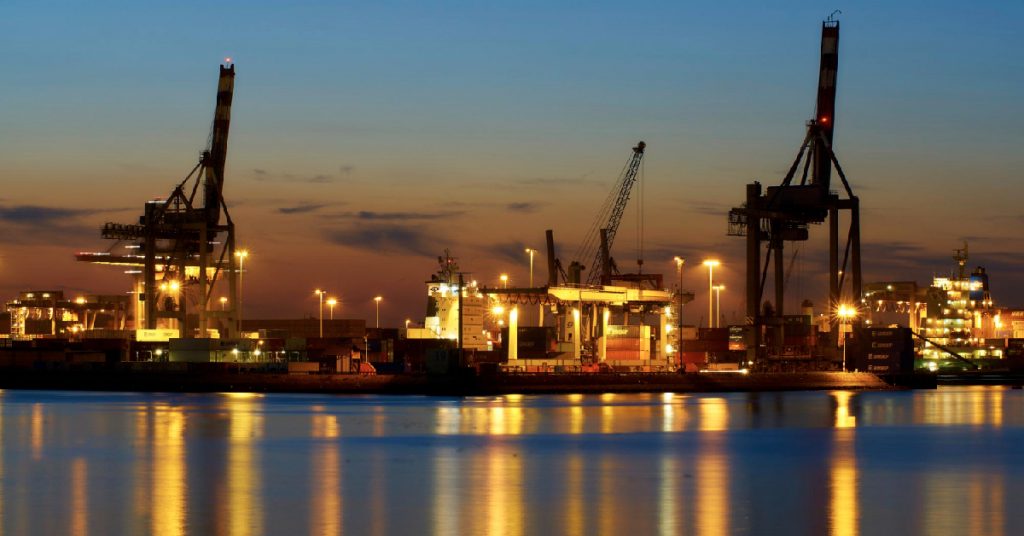
Ion Exchange supplied a four-stream RO-based 1100 m /h seawater desalination plant to Chennai Petroleum Corporation Ltd. (CPCL) at Kattupalli in Thiruvallur district, Tamil Nadu, on a turnkey basis. Desalinated water was ingested through pipelines from the plant to the refinery at Manali, which is about 20 km from this plant. Our contract was for total civil work, including piling, RCC tanks, building, and RCC structures. The scope also included high-tension electrical systems and DCS based control system for auto operation of the plant. The plant assists CPCL to meet the water requirements of its Manali refinery complex and achieve self-sufficiency. When commissioned, it was the largest capacity seawater desalination plant in the industrial segment.
Why Seawater Desalination Is a Sustainable Choice?
Modern seawater desalination systems are no longer just emergency solutions. When designed correctly, they support long-term sustainability by:
- Reducing pressure on freshwater ecosystems
- Enabling water reuse and recycling within plants
- Supporting zero liquid discharge strategies
- Ensuring regulatory compliance and environmental stewardship
For petrochemical operators, desalination is both an operational safeguard and a strategic investment.
Conclusion
The desalination of seawater has become a cornerstone of reliable water management for petrochemical operations. By deploying advanced seawater desalination plants, industries can secure high-quality water, protect critical assets, and operate sustainably in water-stressed regions.
With Ion Exchange’s proven expertise in seawater desalination systems, petrochemical facilities gain efficient, scalable, and future-ready solutions that support uninterrupted operations and long-term growth.