

Industrial purification processes rely heavily on effective removal of contaminants to ensure product quality, regulatory compliance, and operational efficiency. Among the most widely used materials for this purpose is activated carbon, known for its exceptional adsorption capacity and versatility. Across sectors such as water treatment, chemicals, food & beverage, pharmaceuticals, and power generation, activated carbon plays a critical role in removing impurities that conventional treatment methods cannot address.
Understanding the types of activated carbon and their applications helps industries select the right solution for their specific purification challenges.
Table of Contents
ToggleWhat Is Activated Carbon and Why Is It Important?
Activated carbon is a highly porous form of carbon processed to create an extensive internal surface area. This structure enables it to adsorb organic compounds, chlorine, odor-causing substances, color bodies, and trace contaminants from liquids and gases.
In industrial operations, activated carbon is especially valued for:
- Removing dissolved organics and residual chemicals
- Improving taste, odor, and color in water
- Protecting downstream treatment systems and equipment
- Supporting compliance with environmental and quality standards
Because of these advantages, activated carbon in water treatment and industrial purification has become a standard practice worldwide.
Types of Activated Carbon Used in Industrial Purification
Different industrial applications require different forms of activated carbon. The main types of activated carbon include:
1. Powdered Activated Carbon (PAC)
Powdered activated carbon consists of fine carbon particles, typically less than 0.18 mm in size. It is usually dosed directly into the treatment stream and later removed through filtration or sedimentation.
Key characteristics and uses:
- Rapid adsorption due to fine particle size
- Effective for intermittent contamination issues
- Commonly used in water treatment for taste, odor, and color removal
- Suitable for emergency treatment or seasonal pollutant spikes
PAC is often preferred when flexibility and fast response are required.
2. Granular Activated Carbon (GAC)
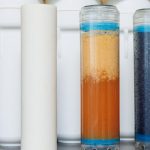
Granular activated carbon is composed of larger, irregular particles that are packed into fixed-bed filters or columns. It is one of the most widely used forms of activated carbon in water treatment.
Key characteristics and uses:
- Long service life with continuous operation
- Effective removal of chlorine, organic compounds, and industrial pollutants
- Widely used in drinking water, process water, and wastewater treatment
- Ideal for large-scale industrial purification systems
GAC systems allow for regeneration or replacement, making them cost-effective for continuous operations.
3. Extruded or Pelletized Activated Carbon
This form of activated carbon is manufactured into cylindrical pellets with a uniform size and shape. Pelletized carbon offers low pressure drop and high mechanical strength.
Key characteristics and uses:
- Preferred for gas-phase purification and vapor adsorption
- Used in industrial air treatment and solvent recovery
- Applied where a consistent flow and low dust are critical
While more common in gas treatment, pelletized carbon is also used in specialized liquid-phase applications.
4. Impregnated Activated Carbon
Impregnated activated carbon is treated with chemicals to enhance its ability to remove specific contaminants such as heavy metals, hydrogen sulfide, or ammonia.
Key characteristics and uses:
- Targeted removal of specific pollutants
- Used in industrial wastewater and specialized water treatment applications
- Suitable for industries with complex or hazardous contaminants
This type offers higher efficiency for niche purification requirements.
Applications of Activated Carbon in Industrial Systems
The applications of activated carbon span a wide range of industries:
- Water Treatment – Removal of chlorine, organic matter, color, taste, and odor
- Industrial Process Water – Protection of membranes and ion exchange systems
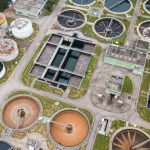
- Wastewater Treatment – Polishing treated effluent before discharge or reuse
- Food & Beverage – Decolorization, deodorization, and impurity removal
- Pharmaceuticals and Chemicals – High-purity process streams
- Power and Utilities – Condensate polishing and contaminant control
In each case, selecting the right type of activated carbon ensures consistent performance and optimized operating costs.
Activated Carbon in Water Treatment: A Critical Role
In water treatment, activated carbon is often used as a polishing step after conventional filtration. It removes trace organics, disinfection by-products, and emerging contaminants that are difficult to eliminate through other methods.
When integrated with advanced systems such as membranes and ion exchange, activated carbon in water treatment enhances overall system reliability and water quality—making it indispensable for both municipal and industrial applications.
Ion Exchange’s Expertise in Activated Carbon Solutions
Ion Exchange offers a comprehensive range of activated carbon-based solutions tailored for industrial purification and water treatment applications. Our expertise lies not only in supplying high-quality activated carbon but also in designing systems that maximize adsorption efficiency and lifecycle performance.
The Ion Exchange Activated Carbon Filter (ACF) is engineered for efficient removal of colour, odour, free chlorine, and organic impurities such as oil and COD from raw water. Using carbon as the filtration media, the ACF ensures high-performance purification post multi-grade filtration, operating effectively at specific flow rates of 10–24 m³/h. Designed by ASME Sec VIII, Div-I or IEI good engineering practices, the unit comes with construction options in MS, MSRL, or SS 316, and frontal pipework in PVC, MS, MSRL, or SS 316. With its ability to handle higher specific velocities and the option to use raw water for backwashing, this filter safeguards downstream systems, particularly RO membranes and ion exchange resins, against damage from oxidation and organic fouling.
Conclusion
Activated carbon remains one of the most effective and versatile tools in industrial purification. Understanding the types of activated carbon, their characteristics, and the wide-ranging applications of activated carbon is essential for achieving consistent water and process quality.
From large-scale water treatment systems to specialized industrial applications, activated carbon in water treatment continues to play a vital role in removing contaminants and protecting downstream processes.
Connect with Ion Exchange experts to learn how our activated carbon solutions can be customized to meet your industrial purification needs with efficiency, reliability, and sustainability.
FAQs
- What types of activated carbon are used in industrial purification?
Industrial purification commonly uses powdered (PAC), granular (GAC), pelletized, and impregnated activated carbon—each selected based on flow conditions, contaminant type, and operational requirements.
- When should powdered activated carbon be used?
Powdered activated carbon is ideal for short-term or intermittent contamination events, such as sudden taste, odor, or color issues, due to its rapid adsorption capability.
- Why is granular activated carbon widely used in water treatment?
Granular activated carbon offers long service life, continuous operation, and effective removal of chlorine, organics, and industrial pollutants, making it suitable for large-scale and permanent water treatment systems.
- What contaminants can impregnated activated carbon remove?
Impregnated activated carbon is designed to target specific contaminants such as heavy metals, hydrogen sulfide, ammonia, and other hazardous compounds found in industrial effluents.
- What makes Ion Exchange’s activated carbon systems effective?
Ion Exchange combines high-quality activated carbon media with engineered filter design to deliver efficient adsorption, protect downstream systems, and ensure reliable long-term performance in industrial purification applications.