

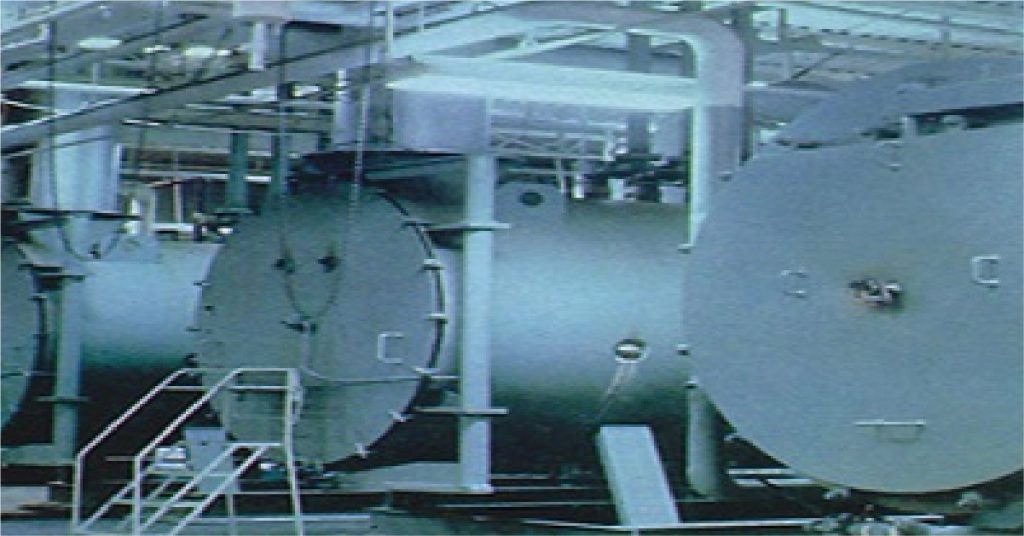
A boiler in power plant operations plays a critical role in generating steam, which is used to produce electricity. Understanding the function and maintenance of boilers is essential for ensuring efficiency and safety. There are different types of boilers used in power plants, each designed to meet specific energy needs.
Proper water treatment is equally important, as poor water quality can lead to scaling, corrosion, and reduced heat-transfer efficiency. Ion Exchange supports power plants with boiler water treatment solutions designed to help maintain reliable operation and protect critical boiler systems.
Table of Contents
ToggleFunctions of a Boiler in Power Plant
A boiler in power plant systems primarily converts water into steam by utilizing heat energy from fuel combustion. This steam is then used to drive turbines, which generate electricity. Key functions of a boiler include:
- Heat Generation: Provides the necessary heat to convert water into steam.
- Steam Production: Generates high-pressure steam to power turbines.
- Fuel Efficiency: Optimizes fuel combustion for maximum energy output.
- Emission Control: Helps in reducing pollutants released during the combustion process.
Different Types of Boilers in Power Plants
There are different types of boilers used in power plants, each offering specific advantages depending on operational requirements. The most common types of boiler in thermal power plant operations include:
- Fire Tube Boiler: Suitable for small-scale power generation with lower steam pressure.
- Water Tube Boiler: Used in large power plants due to its ability to handle high pressure and temperature.
- Fluidized Bed Boiler: Enhances fuel efficiency and reduces emissions by using fluidized bed combustion.
- Pulverized Coal Boiler: Ideal for coal-based thermal power plants, ensuring complete combustion of fuel.
Maintenance of Boilers in Power Plants
Proper maintenance of boilers is crucial to ensure efficiency, longevity, and safety. Key maintenance practices include:
- Regular Inspections: Checking for leaks, corrosion, and wear to prevent unexpected failures.
- Water Treatment: Maintaining water quality to prevent scaling and corrosion inside the boiler.
- Cleaning and Deslagging: Removing soot and deposits to enhance heat transfer efficiency.
- Monitoring and Automation: Using advanced sensors and control systems to optimize performance.
Comprehensive INDION Boiler Water Treatment by Ion Exchange
Ion Exchange provides a wide range of boiler water treatment programs for low-, medium-, and high-pressure boilers to prevent deposits and corrosion in pre-boiler, boiler, and post-boiler systems. Their unique DEHA-based oxygen scavengers offer superior protection against corrosion, even in condensate lines. Their boiler water treatment solutions include:
– Phosphate treatment program
– Carbonate treatment program
– Chelant program
– Closed system treatment
– Electric boiler treatment
– Sludge conditioners
– Anti-foamers
– Oxygen scavengers
These treatment programs are designed to address different boiler operating conditions and water chemistry requirements. By controlling scale-forming deposits, dissolved oxygen, sludge, and corrosion-related issues, the right treatment approach can help support efficient heat transfer, stable boiler performance, and reduced maintenance requirements.
Their complete condensate line treatment programs are designed to solve specific corrosion problems:
– Filming amines
– Neutralizing amines
– Combination of filming and neutralizing amines
Condensate treatment is equally important because corrosion can continue beyond the boiler itself and affect return lines, piping, and associated equipment. Filming and neutralizing amines help protect the condensate system by reducing corrosive conditions and supporting the integrity of the overall steam-water cycle.
Together, these boiler and condensate treatment programs help maintain water chemistry across different stages of operation, supporting reliable performance and longer equipment life.
These specialized programs ensure the efficiency and longevity of your boiler systems by addressing the distinct challenges faced in different stages of boiler operation.
ith their boiler treatment water solutions, they answer questions like what is boiler water treatment, what is boiler water treatment chemicals, what is the purpose of boiler water treatment, and which chemical is used in boiler water treatment.
Final Thoughts
The boiler in power plant systems is a fundamental component for electricity generation, and proper maintenance is essential for operational efficiency. Understanding the different types of boilers and their functions can help in selecting the right equipment for power generation needs.
Effective boiler water treatment also plays an important role in controlling scale, corrosion, and deposits that can affect heat transfer and system performance. Regular monitoring, timely maintenance, and appropriate treatment programs can help support reliable boiler operation and extend equipment life.
For effective boiler water treatment that helps control scale, corrosion, and deposits, connect with Ion Exchange experts to support reliable and efficient boiler operation.
Frequently Asked Questions
A boiler converts water into high-pressure steam using heat generated from fuel combustion. The steam then drives turbines that produce electricity in the power generation process.
Common types include fire tube, water tube, fluidized bed, and pulverized coal boilers. The right boiler depends on factors such as steam pressure, temperature, fuel type, and plant capacity.
Boiler water treatment helps control scale, corrosion, sludge, and dissolved oxygen within the steam-water system. Proper treatment supports efficient heat transfer, stable operation, and longer equipment life.
Regular inspections, proper water treatment, cleaning, deslagging, and performance monitoring are essential for maintaining boiler efficiency. These practices help reduce deposits, corrosion, and heat-transfer losses.
Boiler treatment programs may use phosphate, carbonate, chelant, oxygen scavengers, sludge conditioners, and anti-foaming agents. Condensate systems may also use filming or neutralizing amines to help control corrosion.