


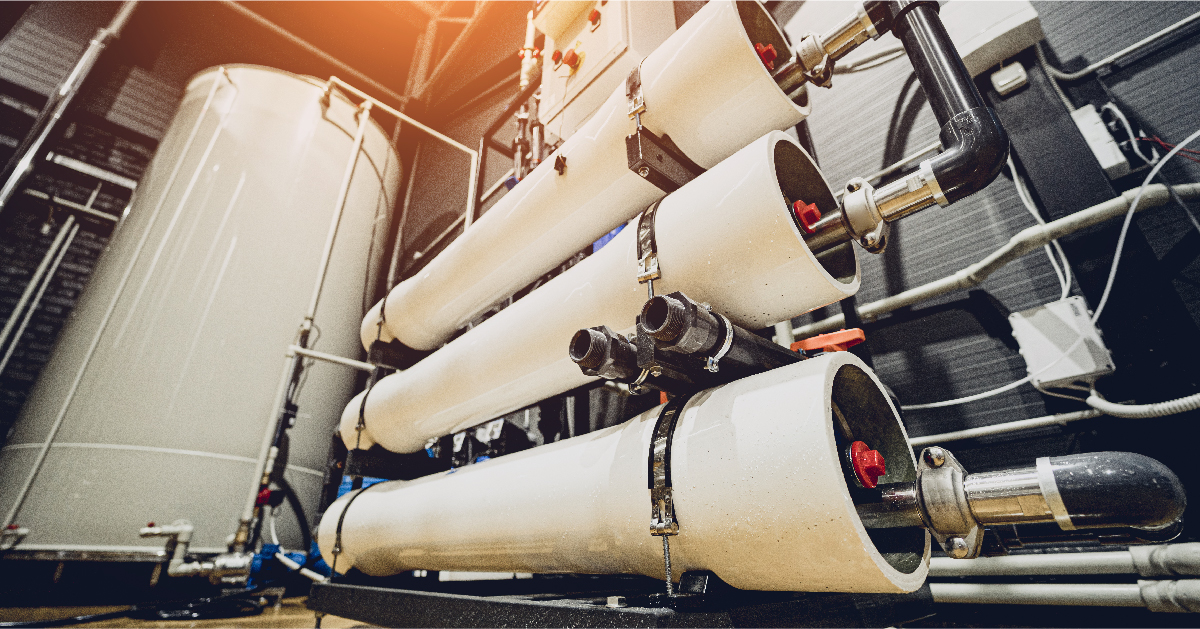
Top Water Filtration Techniques for Industries
Water is an essential resource in virtually every industrial sector—from manufacturing and food processing to energy and pharmaceuticals. However, raw water sources often contain a range of contaminants such as sediments, chemicals, microorganisms, and heavy metals that can affect product quality, damage equipment, and disrupt operations. To ensure efficiency and compliance with safety standards, industries…

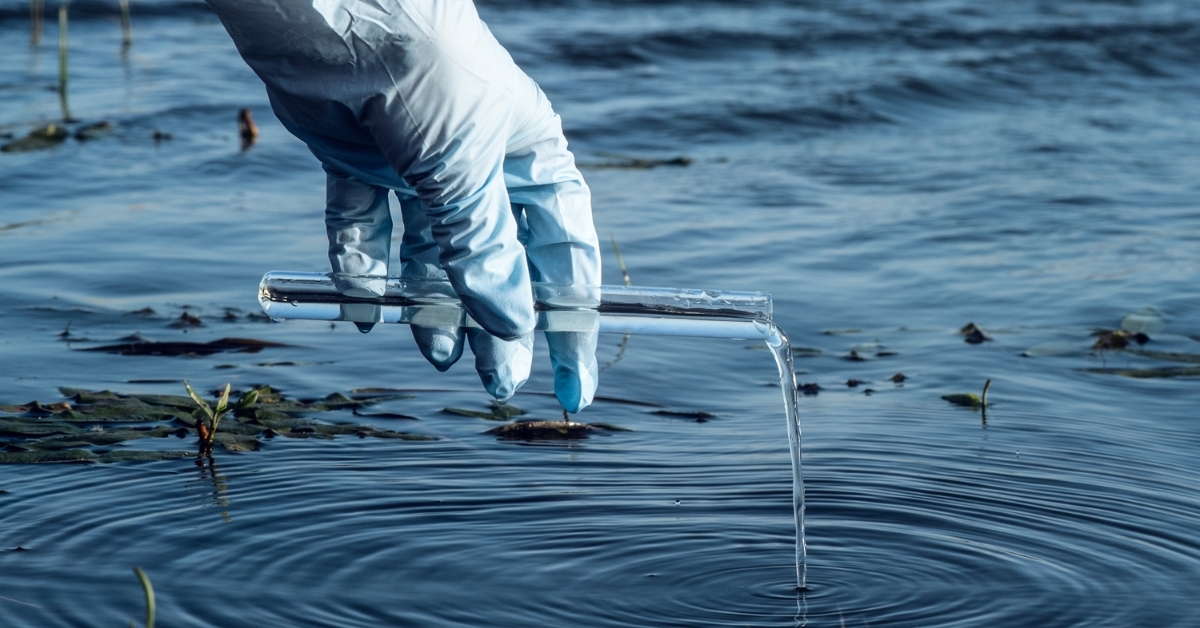
How Industries Can Help in the Prevention of Water Pollution?
Water is one of the most critical natural resources for sustaining life, ecosystems, and economies. Yet, industrial activities contribute significantly to its contamination. From chemical discharges to untreated effluents, industries are among the primary sources of water pollution globally. However, they also hold the key to driving large-scale change. With responsible practices, adherence to environmental…
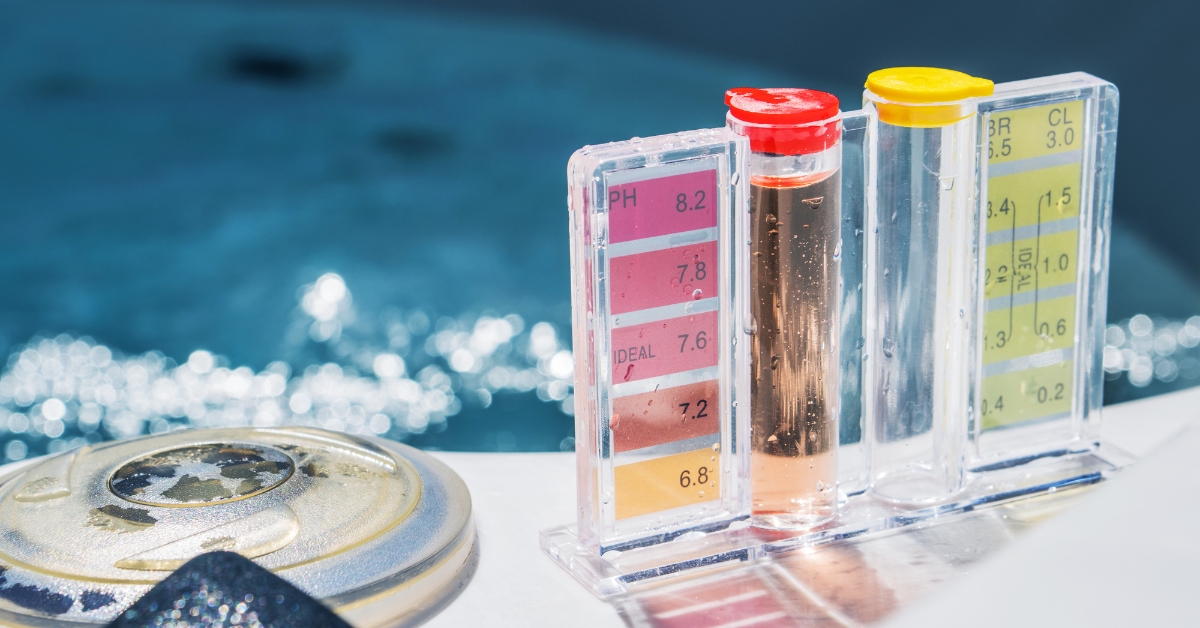
How Does the pH Level of Water Affect Its Quality?
Water quality is a crucial factor in maintaining public health, supporting agriculture, and ensuring the smooth functioning of industrial processes. Among the many parameters used to assess water quality, the pH level of water is one of the most important. It plays a vital role in determining the suitability of water for drinking, irrigation, industrial…
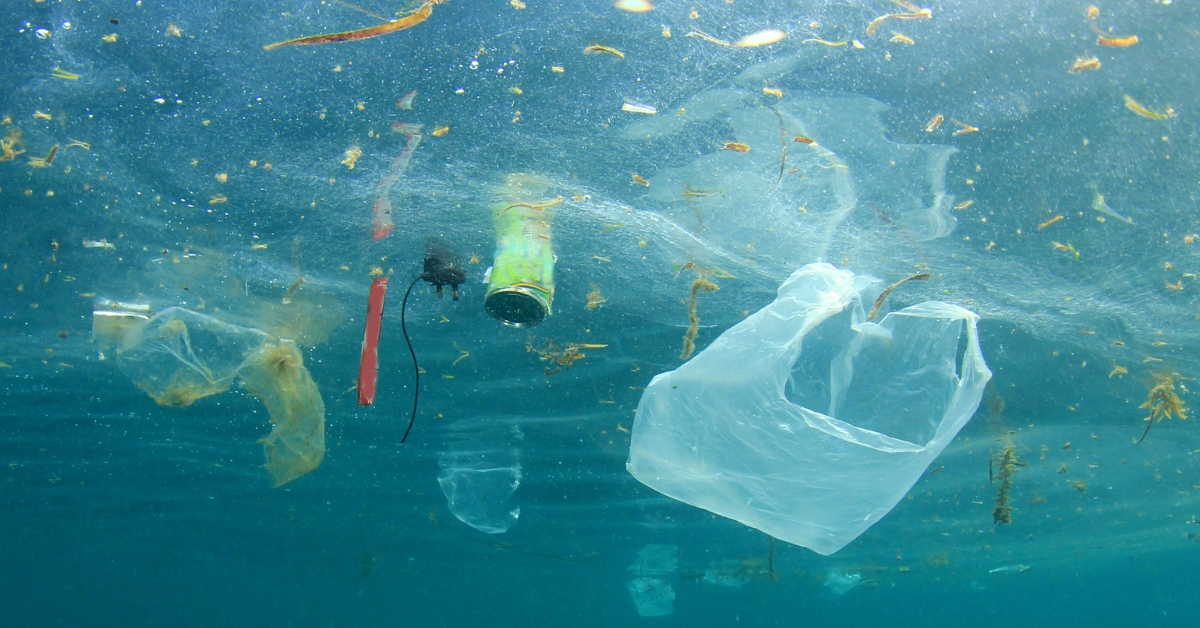
Marine Pollution: Sources, Impacts, and Prevention
Marine pollution has emerged as a major environmental challenge in the 21st century, threatening ocean health, aquatic biodiversity, and human well-being. Covering over 70% of the Earth’s surface, oceans play a crucial role in regulating the global climate, supporting fisheries, and maintaining biodiversity. However, increasing human activities have led to a significant rise in marine…
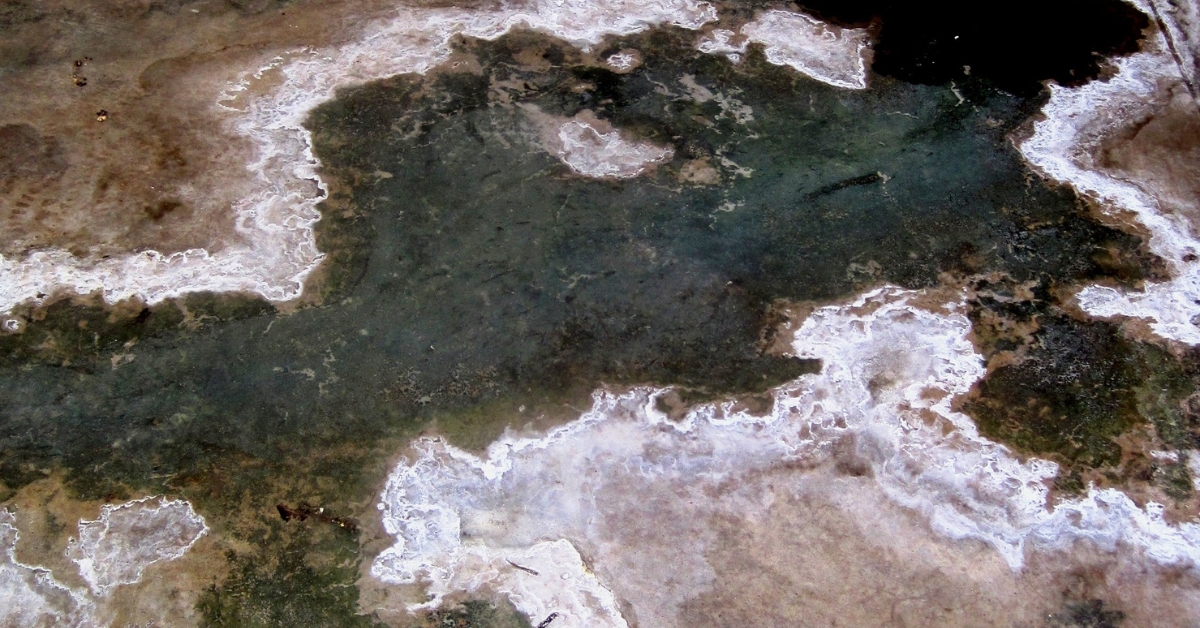
Dangers of Stagnant Water in Urban Environments
Urban areas, often marked by dense populations, rapid infrastructure growth, and inadequate drainage, are highly vulnerable to water stagnation. Stagnant water, which refers to water that doesn’t flow or circulate and remains still for an extended period, is more than just an eyesore—it poses serious health, environmental, and infrastructural risks. In this blog, we explore…
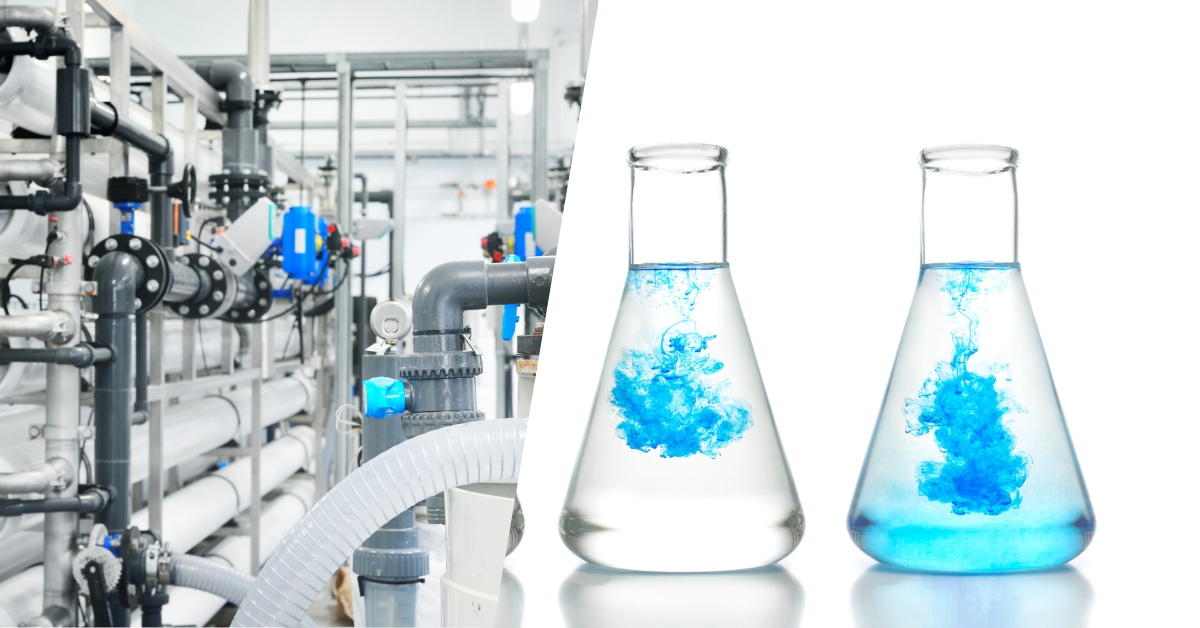
Understanding the Difference Between Osmosis and Diffusion
In the realm of physical and biological sciences, two fundamental processes play a vital role in the movement of particles across membranes: osmosis and diffusion. Though often used interchangeably in casual conversation, these processes are distinctly different in terms of their mechanisms, the substances involved, and the conditions under which they operate. Understanding the difference…
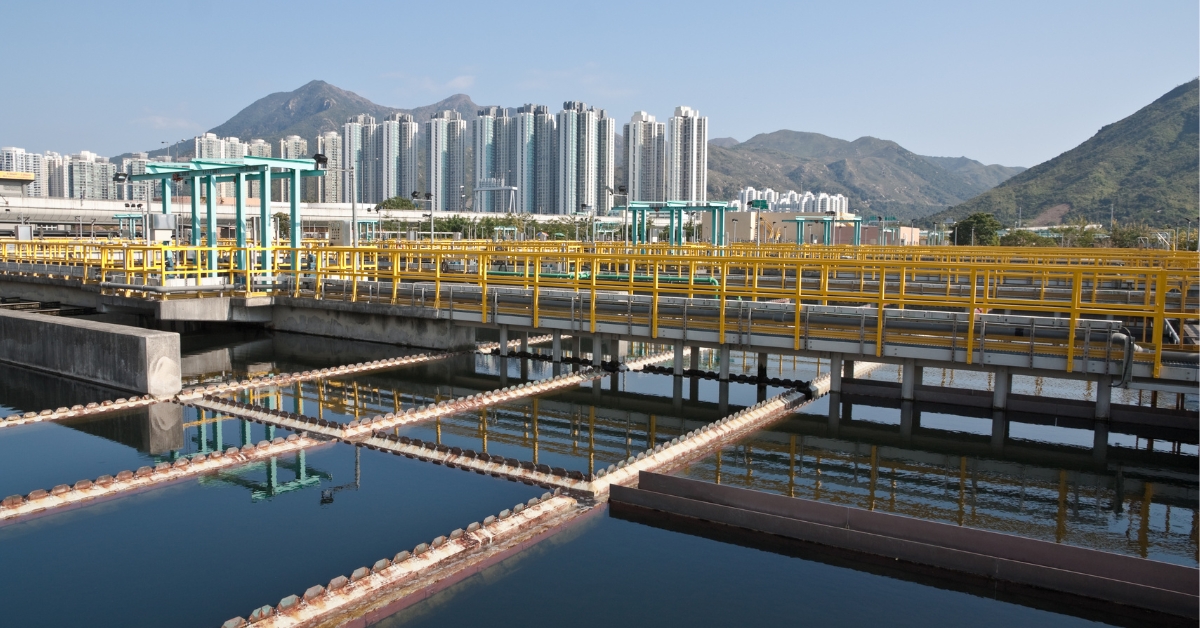
Uses of Sedimentation and Decantation in Treatment
In water and wastewater treatment processes, simple yet effective physical methods like sedimentation and decantation play a crucial role in removing impurities and preparing water for further purification. These techniques have been used for centuries and continue to be essential steps in modern treatment plants, whether for municipal drinking water, industrial wastewater, or effluent discharge…

Major Effects of Water Pollution on Ecosystems
Water is the foundation of all life on Earth. However, as industrialization and human activity continue to rise, the purity of our water bodies is under constant threat. Water pollution—caused by contaminants such as chemicals, plastics, heavy metals, untreated sewage, and agricultural runoff—has become a pressing global issue. It not only endangers marine life but…
Smart Technologies for Conservation of Water Resources
Water is the essence of life, yet its scarcity continues to rise globally. Rapid industrialization, urban expansion, climate change, and poor water management practices have accelerated the depletion and pollution of freshwater sources. In such a scenario, leveraging smart technologies is no longer optional but essential for conserving water resources. This blog explores the role…
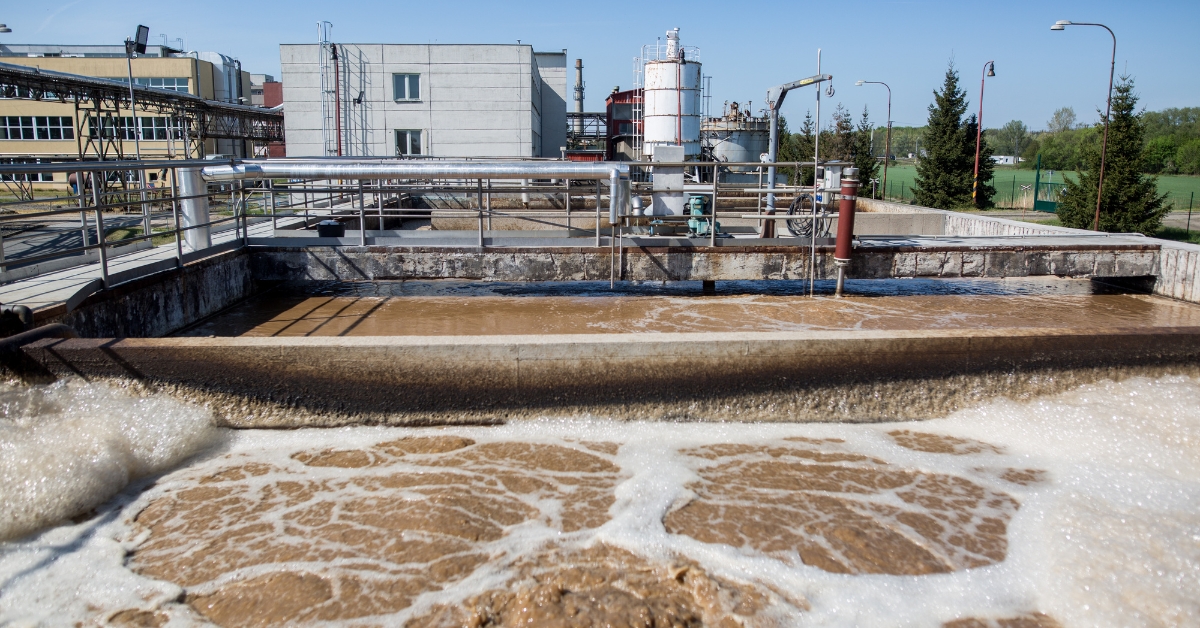
Role of Sedimentation in Wastewater Treatment
Wastewater treatment is a multi-stage process that involves the removal of physical, chemical, and biological contaminants from used water before it is released into the environment or reused. One of the oldest and most essential processes in this treatment chain is sedimentation. Though simple in principle, sedimentation plays a vital role in enhancing the efficiency…
